▶️ CLICK HERE TO READ TODAY’S BONUS SUNDAY FEATURE

The Vanishing Anchors Of American Life

fff
or much of American history, the nation’s character has been influenced by two great principles: a belief in God and a love of country. These are not merely abstract ideas or political slogans; they were once real things taught in schools, strengthened in families, and incorporated into Americans’ everyday lives.
Until the 1950s and 1960s, children grew up being taught God was real, America was a blessed nation, and they were part of a story which was larger than themselves. These truths provided the emotional and moral foundation of our society and gave people a sense of purpose, belonging, gratitude, and hope. Those pillars have weakened, and the results can now be seen everywhere.
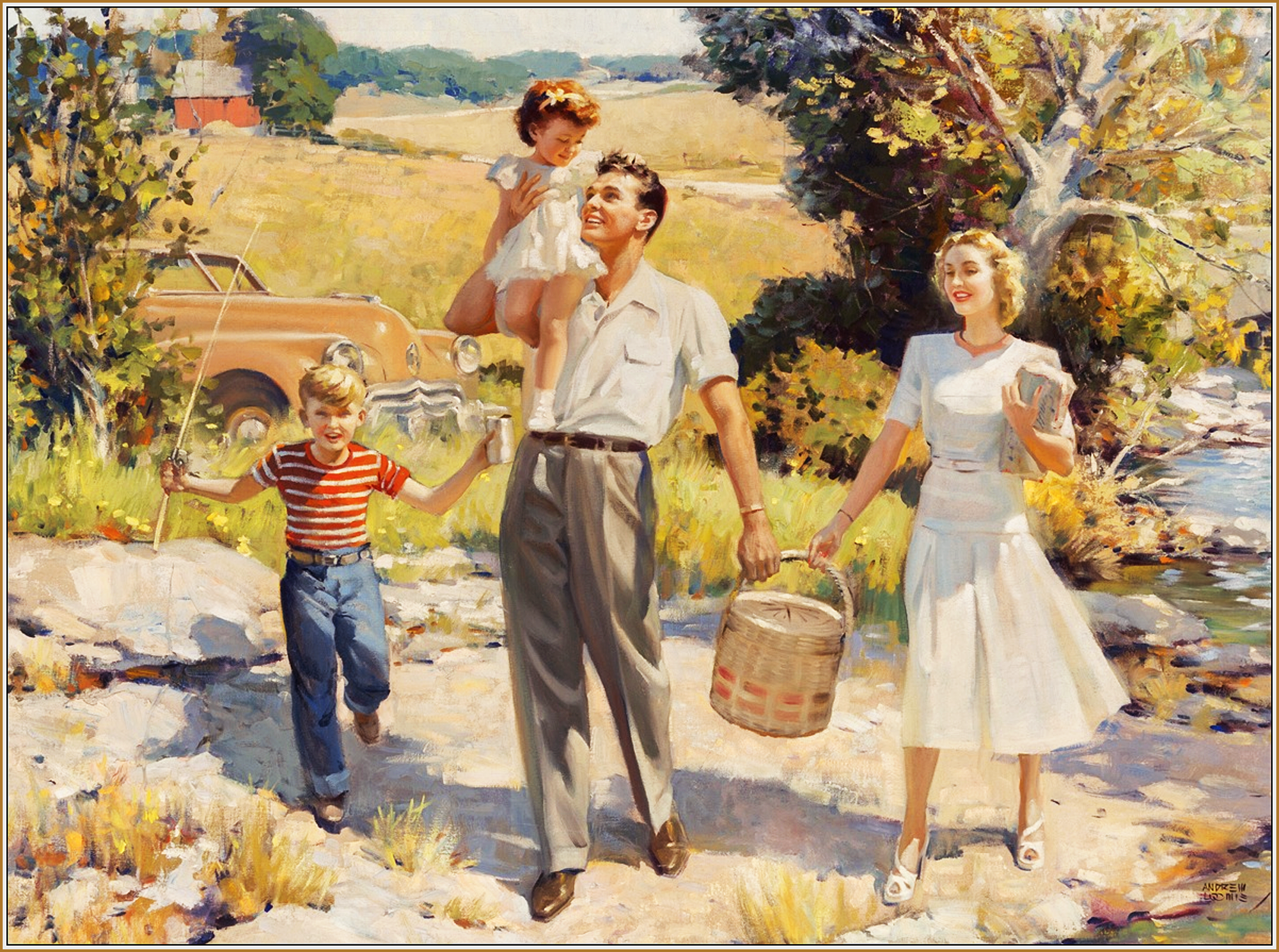
In the middle of the 20th Century, American life was materially simple. Families resided in small houses, usually having only one bathroom and one television set. Holidays were uncommon, cars were basic, and there were few luxuries.
Nevertheless, even though they lacked modern conveniences, people were not overwhelmed by loneliness or sadness. They ate meals together as a family, knew their neighbors, and attended church regularly. It was not seen as controversial to feel patriotic; indeed, patriotism was expected. Children were taught to respect the flag, show respect to their elders and authority, and to understand their freedom had been won through sacrifice. In that society, life was more difficult, but people’s hearts were more firm.
Contrast that with what we have today. By every material measure, our lives has never been easier. We live in climate‑controlled homes filled with screens, entertainment, and conveniences unimaginable to earlier generations. We drive beautiful cars, travel across the world, eat at restaurants, and enjoy disposable income. Technology has placed comfort & convenience at our fingertips. The bare necessities; food, housing, clothing, communication, are all more accessible than at any other point in human history. And yet, emotional suffering has skyrocketed.
Loneliness is widespread. Depression is common. Families are fractured. Divorce is rampant. Children grow up without fathers, and single mothers carry burdens which once were shared. Communities have thinned out. Neighbors barely know each other. People feel disconnected, anxious, and unanchored. The paradox is unmistakable: material abundance has increased, but emotional well-being has collapsed.
✪ What Has Changed?
The problem is neither completely economic, technological, nor political; it is instead spiritual and cultural. During the past fifty years, American society has gradually discarded the two things which once held it together: belief in God and love of country.
As belief in God disappears, life ceases to have any transcendent meaning. Morality then becomes purely a matter of personal opinion, purpose is invented by each individual, and gratitude becomes optional. Suffering seems to have no point at all. People are left having to create their own identity and sense of meaning without the guidance of faith or the comfort which comes from the idea of a divine hope. As G.K. Chesterton famously observed, “When men stop believing in God, they don’t believe in nothing; they believe in anything.”
As one’s love for one’s country diminishes, so too does their feeling of being part of a common narrative. Patriotism does not mean blind nationalism; it is instead a form of gratitude. It involves acknowledging our own lives are connected to the sacrifices made by previous generations who founded and defended the nation. When this sense of gratitude disappears, then being a citizen becomes a purely transactional relationship. One’s community then becomes something optional and History ceases to really matter. People end up feeling rootless, disconnected from their past and unsure about their future.
When both anchors of God and Country disappear together at the same time, the emotional foundation of society collapses. A person who is taught God does not exist and America is a country not worthy of love becomes a drifting person without a story, a source of meaning, and a sense of belonging. The result is predictable: anger, depression, loneliness, and sadness. Comfort cannot replace purpose. Technology cannot replace family. Entertainment cannot replace faith. Wealth cannot replace gratitude.
The America of the 1950s and 1960s was not perfect, but it was an anchored culture and society. The America of today may be comfortable, but adrift. The difference between the two eras is not only a quality of life, but also it is the quality of meaning. A society which forgets God and rejects its own country loses the very things which make life worth living: connection, duty, hope, and identity.
Material comfort may make life easier; but it is only faith and patriotism which make life complete. ✪






























▶️ ◼️◼️◼️◼️◼️◼️◼️◼️◼️◼️ ✪✪✪ DONATE ✪✪✪ ◼️◼️◼️◼️◼️◼️◼️◼️◼️

▶️ DONATE VIA PAYPAL (DEBIT & CREDIT CARD)
ALL PayPal Transactions Are Encrypted For Card Holder Privacy & Security
▶️ DONATE VIA ZELLE (DIRECT BANK CASH TRANSFER)
ZELLE is the perfect online alternative to PayPal. It’s an incredibly simple, secure, easy, fast and FREE way to send or receive money to recipients directly from your online banking account without a middleman. Best of all, there are NO fees.
ZELLE is a service provided by your bank and is already built in to your online banking account. You only need to activate it first before using. If you’ve already activated ZELLE in your online bank or credit union account, you can donate to The New Americanist by using our ZELLE address:
vip@thenewamericanist.com
To activate your ZELLE, follow these easy instructions (a simple two minute process):

▶️ DONATE VIA SNAIL MAIL