Hi Folks…And Welcome Again To FLAT OUT!
The Little Car Which Almost Could! It’s…
The Kaiser-Fraser Henry J: 1951-1954
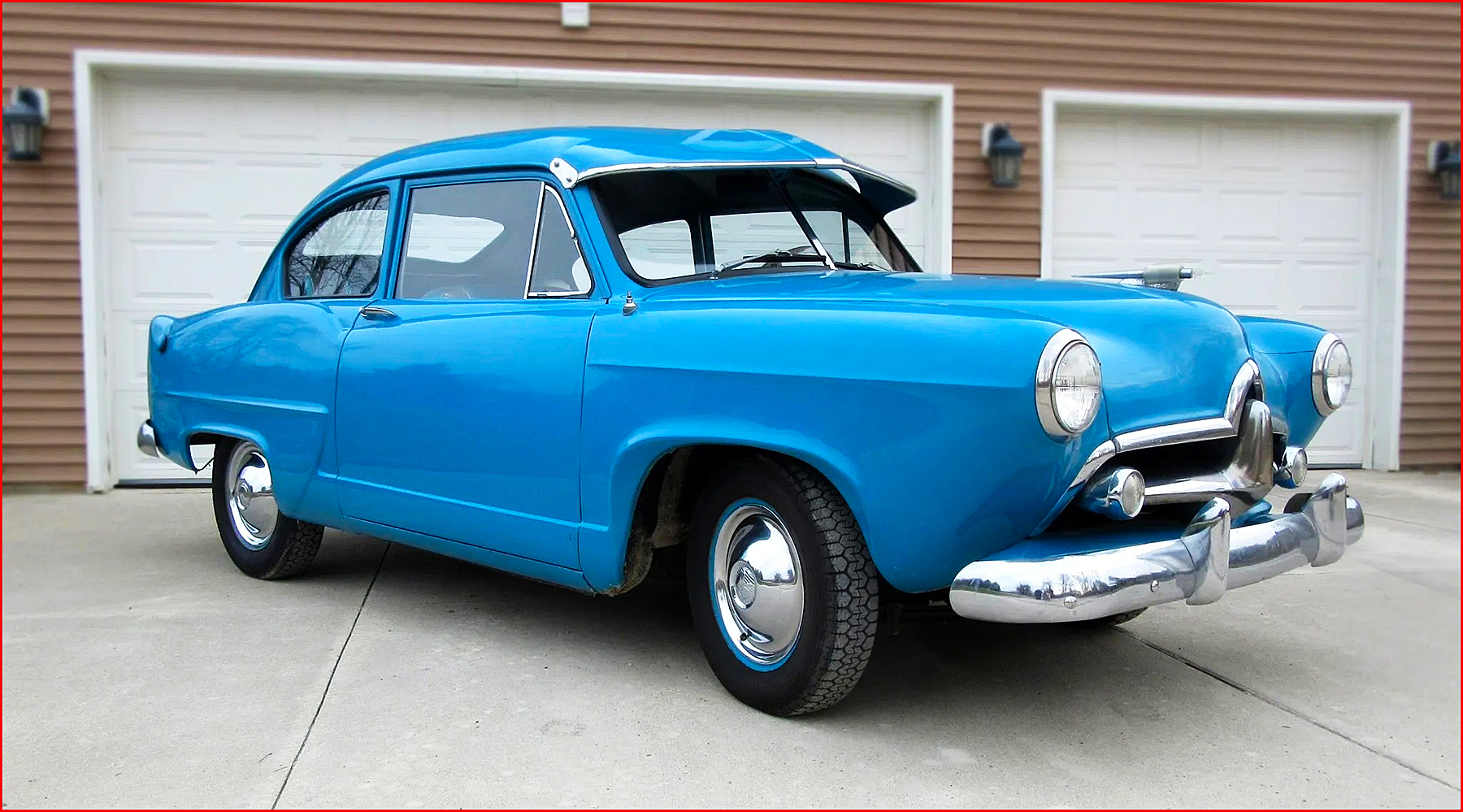
✪ Kaiser-Frazer burst onto the automotive stage in 1946, a joint venture between industrialist Henry J. Kaiser and auto exec Joseph Frazer. Fresh off building Liberty ships for World War II, Kaiser saw cars as the next frontier. By 1949, their full-size Kaiser and Frazer models were selling, but they faced a problem: some Americans wanted affordable compacts to counter rising gas prices and urban crowding. Enter the Henry J, conceived as a “people’s car” to rival European imports like the Volkswagen Beetle; a modern Ford Model A that nearly everyone could afford.
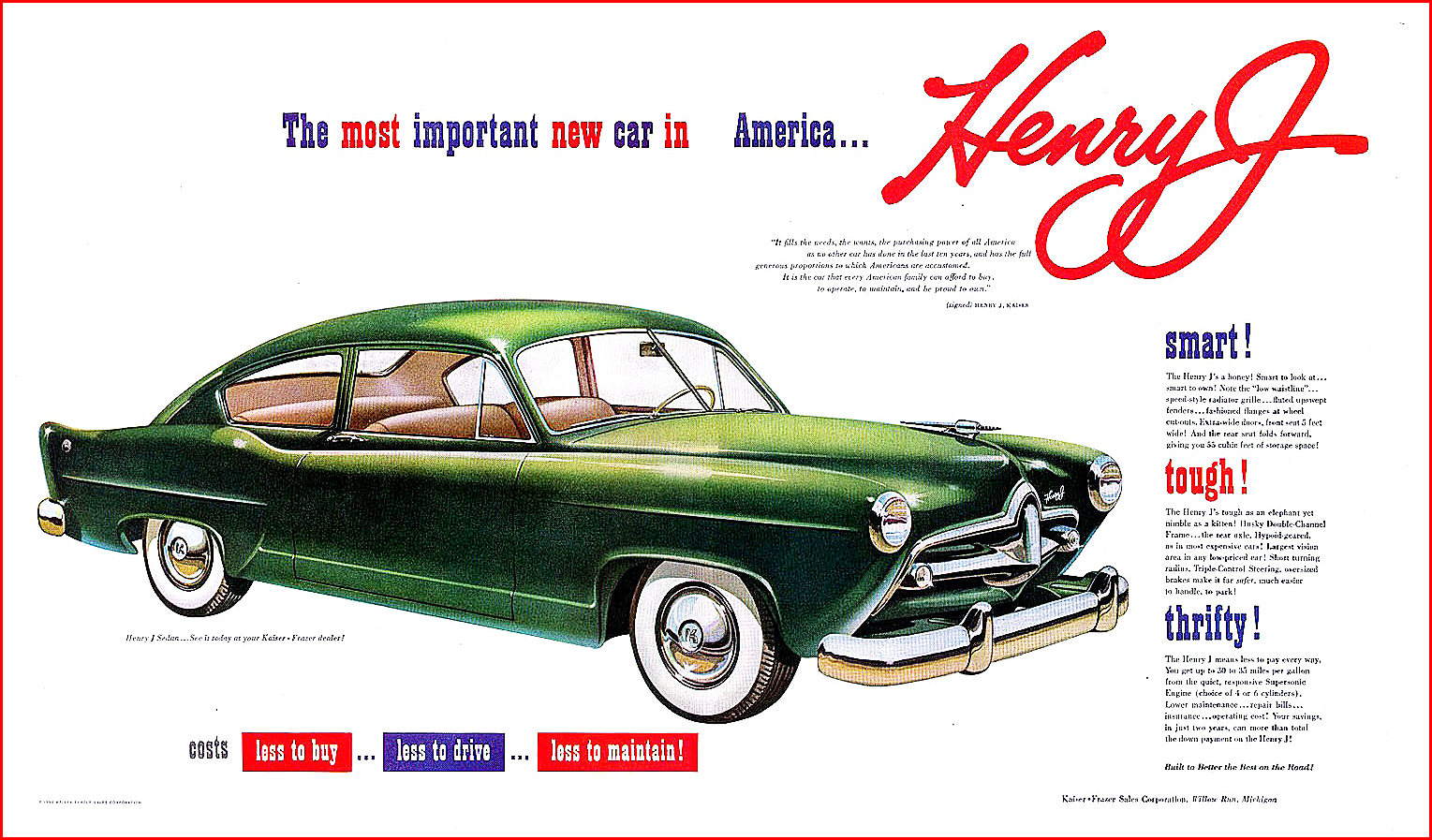
▶️ Double Click To Enlarge
Development started in 1948, with Kaiser-Frazer tapping designer Howard “Dutch” Darrin, who’d shaped the 1947 Kaiser Deluxe. Darrin’s brief was simple: create a cheap, reliable car about 100 inches long and under $1,300. When the prototype created by American Metal Products Corporation (AMP) arrived in 1948, there was no domestic compact car being produced. However, the AMP prototype was a stark, unappealing car, and Darrin was brought in to add some flair to the otherwise boring design. The result was a boxy two-door coupe with a 100-inch wheelbase, shorter than a Ford Falcon but roomier than a Nash Rambler, which was also released in 1950.
Although it rode on the same 100-inch wheelbase as the Henry J, the Rambler was not a direct competitor as Nash-Kelvinator positioned their car upmarket from the basic, bare-bones Kaiser model. Built at Kaiser’s Willow Run plant in Michigan, the Henry J debuted on September 28, 1950, at Chicago’s Drake Hotel. Priced at $1299 for the base model, it undercut a Chevy Styleline ($1398) and aimed for thrifty buyers. Kaiser even secured a $44.5 million government loan to fund production, betting big on the compact revolution.
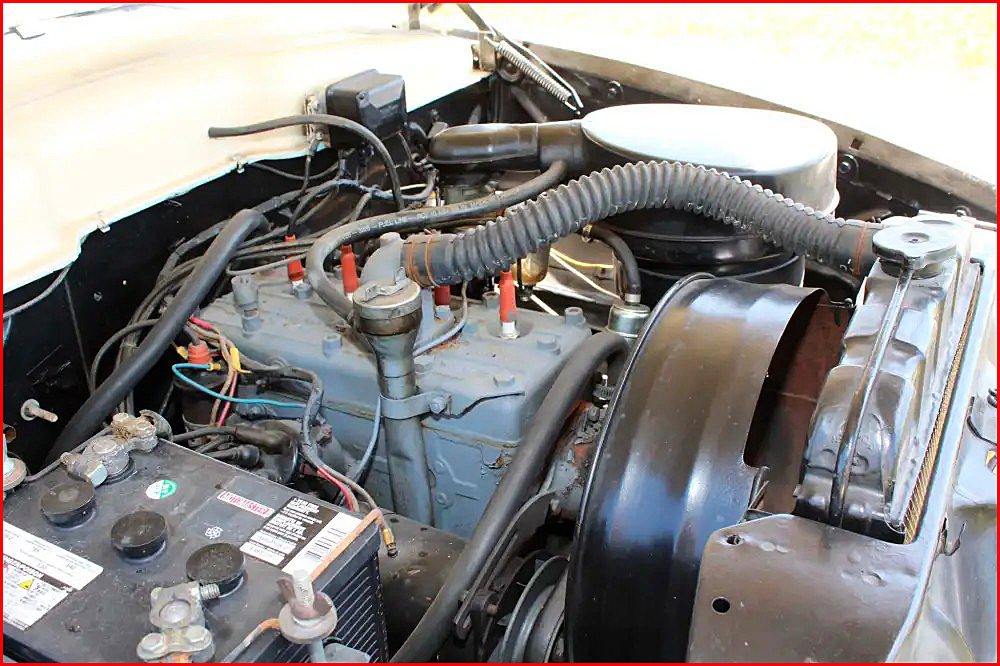
The Henry J’s base engine was a 134.2 cubic-inch (2.2-liter) L134 flathead inline-four, for some reason dubbed the “Supersonic” by Kaiser. Sourced from Willys-Overland (makers of the Jeep), it produced 68 horsepower at 4000 RPM and 114 lb-ft of torque at 1800 RPM. With a single Carter carburetor and cast-iron construction, it was rugged but basic. A three-speed manual gearbox with a column shifter drove the rear wheels, hitting 60 mph in a glacial 14.5 seconds and topping out at 87 mph, per Motor Trend magazine. Fuel economy was its ace, averaging 25 MPG at a time when gas cost 27 cents a gallon but most cars got 8-12 MPG.
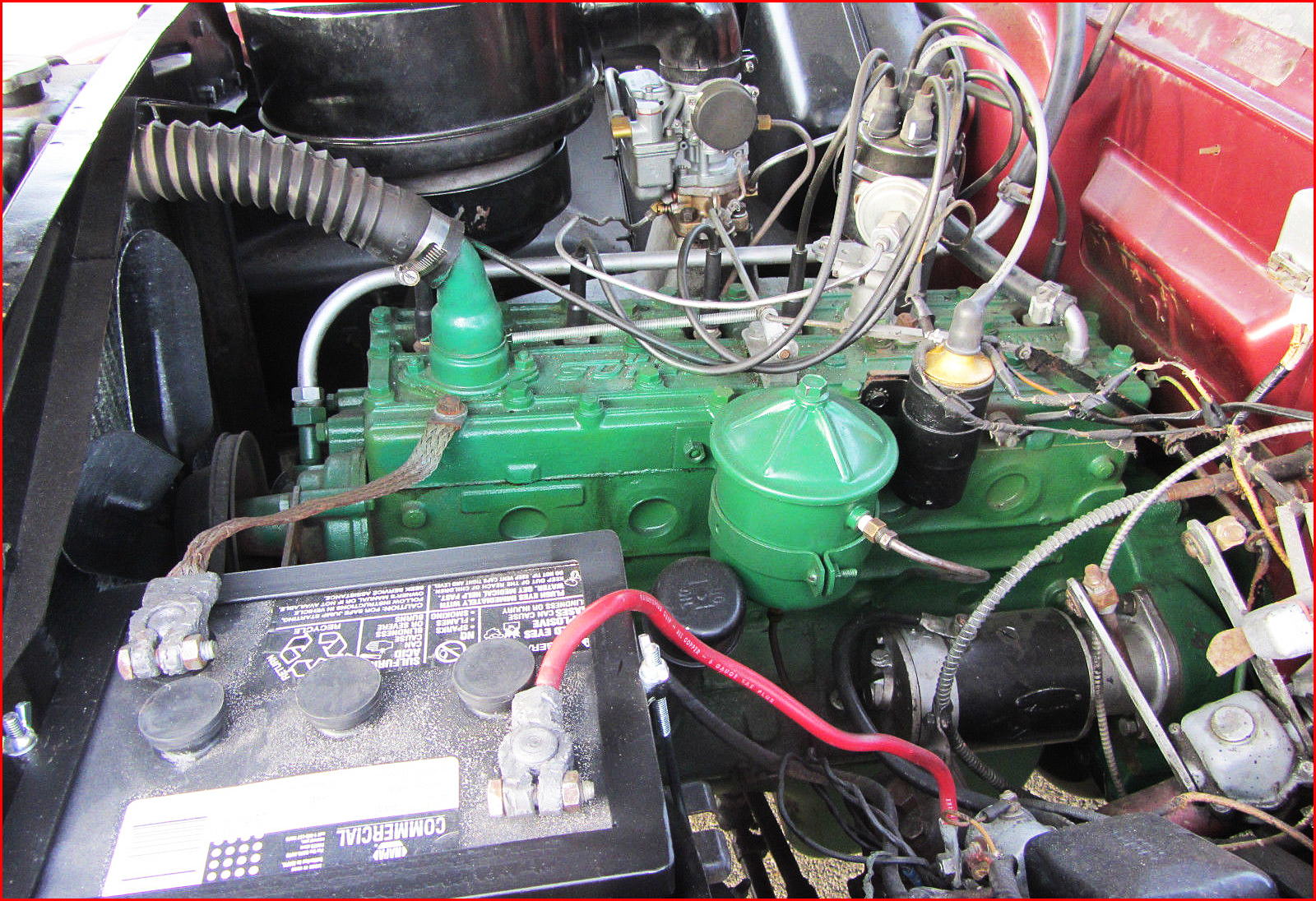
For more pep, Kaiser offered a 161 cubic-inch (2.6-liter) flathead inline-six, also from Willys, with 80 horsepower at 3800 RPM and 132 lb-ft at 2000 RPM. It shaved the 0–60 time to 13.8 seconds and pushed top speed to 90 mph. Both engines used a 4.27:1 rear axle, prioritizing economy over speed. The Henry J weighed 2300 pounds, light for its day, thanks to a unibody steel frame. Suspension was simple: front A-arms with coil springs, rear live axle with leaf springs. Drum brakes (9-inch front and rear) and bias-ply tires (5.90×15) were adequate but dated, and the worm-and-roller steering needed 4.0 turns lock-to-lock. Car Life magazine praised its “peppy handling” for city driving, though rural roads exposed its bouncy ride.
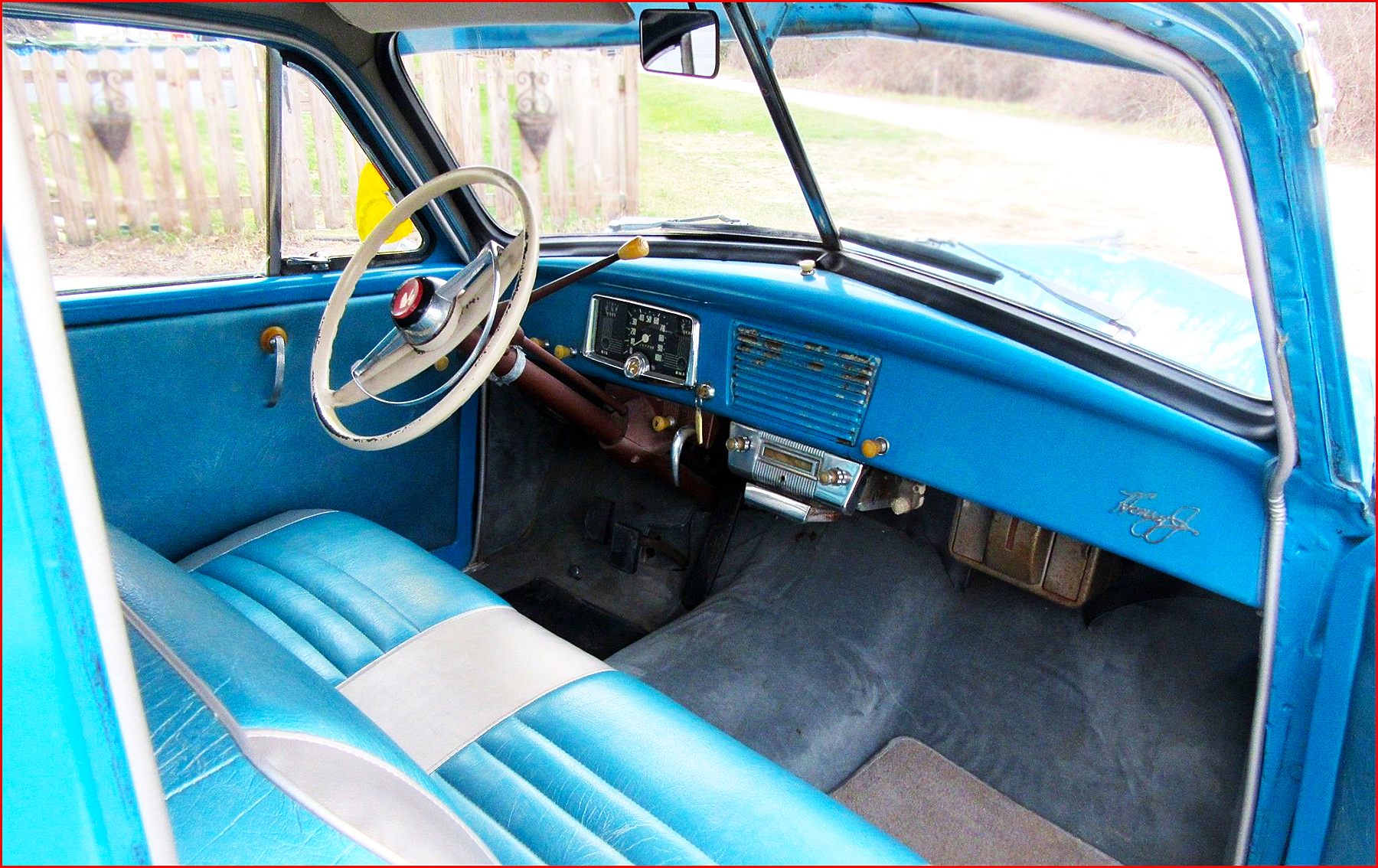
The Henry J’s interior was Spartan, built for thrift. Bench seats in cloth or vinyl sat four, with 35.0 inches of front legroom and 33.5 inches in the rear. A basic dashboard housed a 90-mph speedometer, fuel gauge, and warning lights; the tachometer and radio were dealer-added options. The steering wheel was a plain two-spoke unit, and the column shifter felt positively agricultural. No power anything here: manual windows, no air conditioning, and a basic heater were standard. The 8.0-cubic-foot trunk, accessible via a folding rear seatback, was a clever touch, beating the Beetle’s 5.0 cubic feet. To cut costs, Kaiser initially offered a “stripped” model with no trunk lid, fixed rear windows, oil and amperage gauges replaced by warning lights and no glovebox. Buyers could add options like a cigarette lighter or chrome trim, but the base Henry J was pure function. Your dad’s (or Grand-dad’s) stories of his neighbor’s 1951 model, nicknamed “The Toaster” for its boxy shape, stuck with you; cheap, reliable, and oddly lovable.
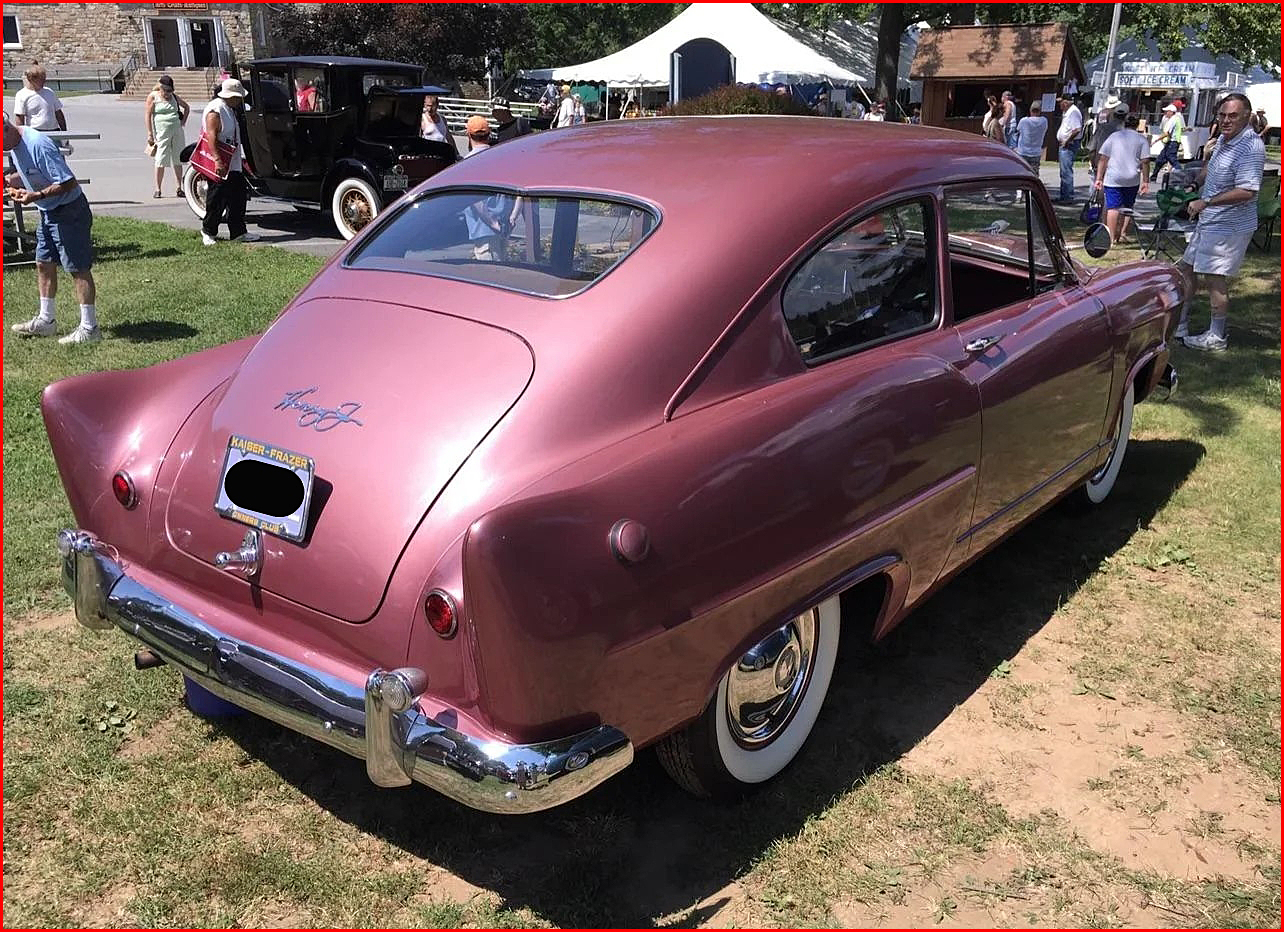
Kaiser aimed for 200,000 annual sales, but the Henry J struggled. For all the cost-cutting it was still only $50 less expensive than a full-size Chevrolet, and similar offerings from Ford, Chevrolet and Plymouth cost less. While the Henry J was “compact” and “fuel efficient,” the market was starting to demand “large” and “powerful.” In 1951, it sold 81,942 units, somewhat buoyed by post-war demand for new cars since steel production had gone to the war effort from 1942 to 1945. Two trims emerged: the Standard (four-cylinder) and DeLuxe (six-cylinder). Kaiser also marketed it through Sears under the Allstate brand, adding chrome, two-tone paint and a Sears-speced interior for $1395. Sears also clamored for a more accessible trunk, so an actual decklid was put into future models. Only 2800 Allstates sold in 1952–1953, a retail flop despite Sears’ reach.
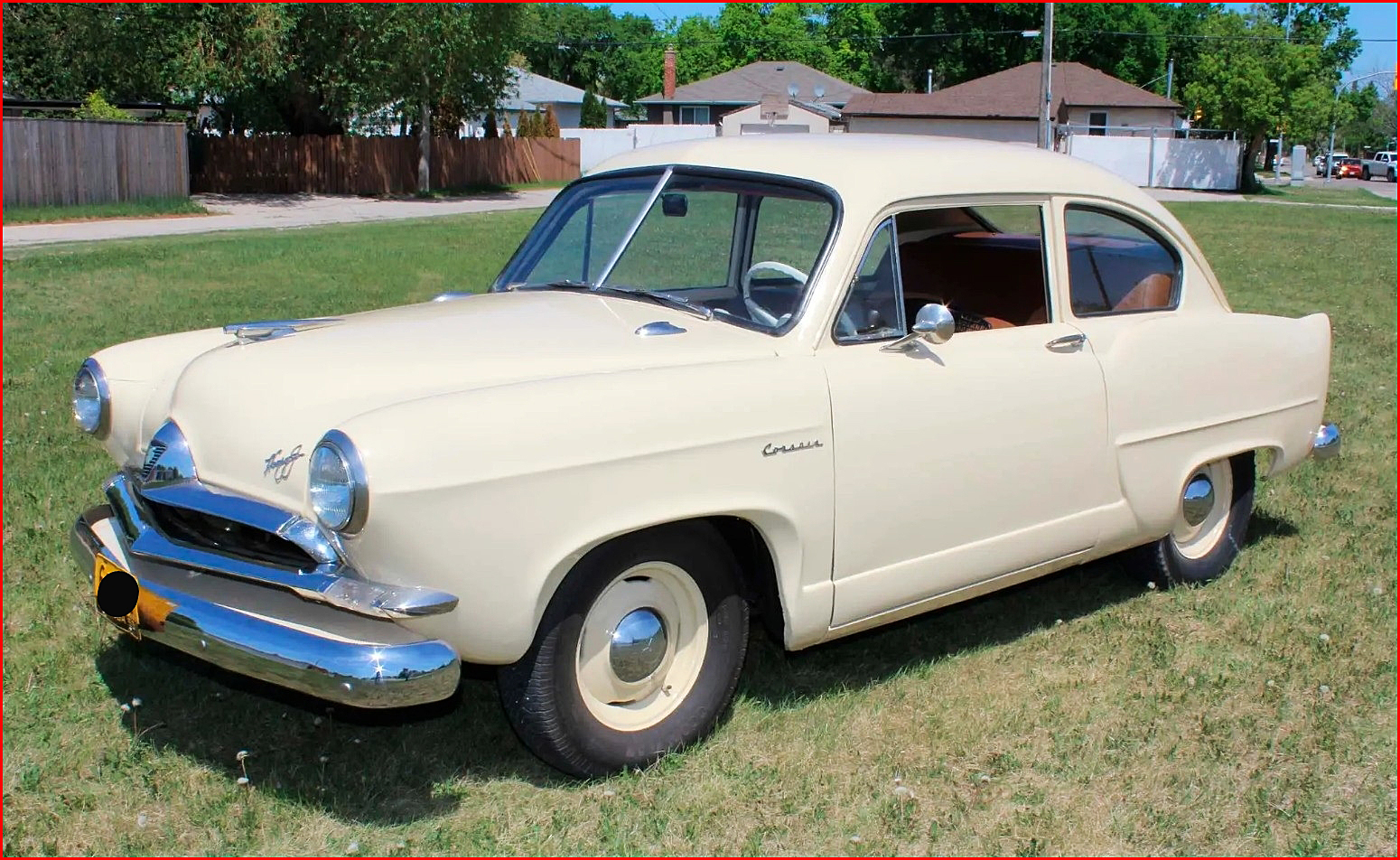
In 1952, Kaiser tweaked the grille with a bolder chrome bar and added overdrive ($110) for better highway cruising (top speed: 92 mph). The Vagabond trim offered two-tone paint, whitewall tires and a Continental spare tire kit above the rear bumper, while the Henry J Corsair replaced the Standard, boasting new integrated taillamps mounted high in the fins, a full-width grill, an actual opening glove compartment, a windshield designed to pop out on impact and revised shocks, steering, clutch linkage and interior trim.
Horsepower was boosted 70 with a revised “Penny-Minder” carburetor that also helped boost gas mileage to 30 MPG. The Corsair DeLuxe got the six-cylinder. Sales dropped to 31,272 as competition stiffened somewhat; the Hudson Jet and Aero-Willys had arrived on the scene, but both were more expensive and even more dowdy and boxy than the Henry J. For 1953, the Corsair DeLuxe got a padded dashboard and optional Hydra-Matic automatic ($158), sourced from GM. A hardtop coupe, the Dragon, debuted with vinyl upholstery and gold-tone trim, but only 1277 sold at $1849.
In 1953 Kaiser-Frazer Corporation was renamed Kaiser Motors Corporation, then renamed again to Kaiser Industries, and finally to Kaiser-Willys Corporation after acquiring Willys-Overland to get the Jeep brand. Production of the Henry J at Willow Run ended in June 1953 after 17,828 units, and by 1954 Kaiser-Frazer was bleeding cash. Leftover ’53 Corsair and Corsair Deluxe models were sold off in 1954 with a “54” prefix added to the serial number. Total output reached roughly 132,000, far short of Kaiser’s dreams. By 1955 they were out of the passenger-car business altogether, with Kaiser-Willys producing only Jeep models, though the Henry J lived on in Argentina as the IKA Carabela until 1962. The Jeep brand sold well, including overseas, and by 1956 Kaiser-Willys was in the black once again.
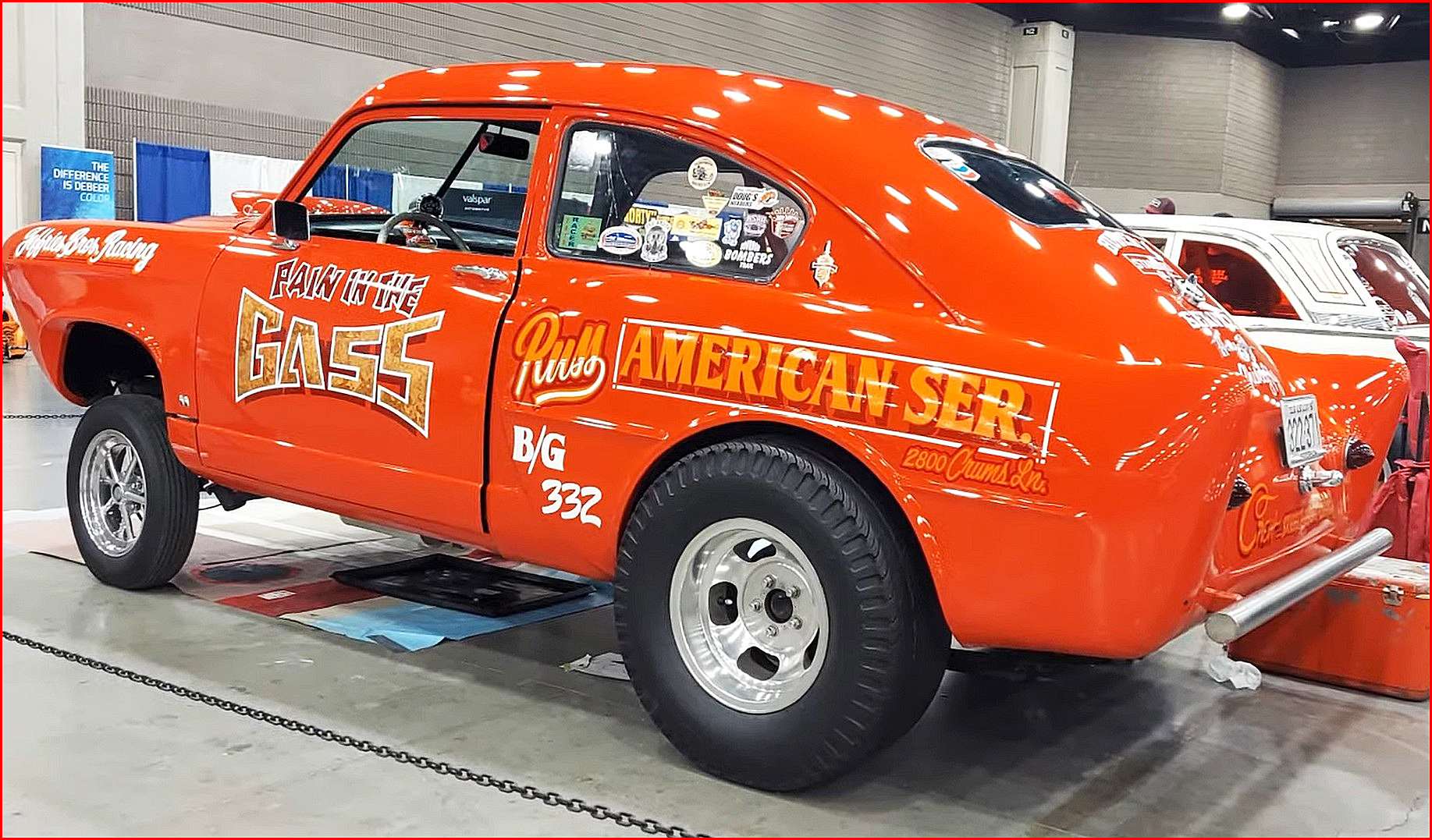
The Henry J wasn’t a dragstrip star, but it thrived as a commuter. Road & Track magazine clocked a 1952 six-cylinder model at a leisurely 13.2 seconds to 60 mph with overdrive, praising its “honest economy.” It wasn’t built for corner-carving, but its light weight made it nimble in traffic. Hot-rodders loved it; swapping in a Chevy small-block turned the Henry J into a sleeper, with some hitting 11-second quarter-miles. Some got converted to gassers.
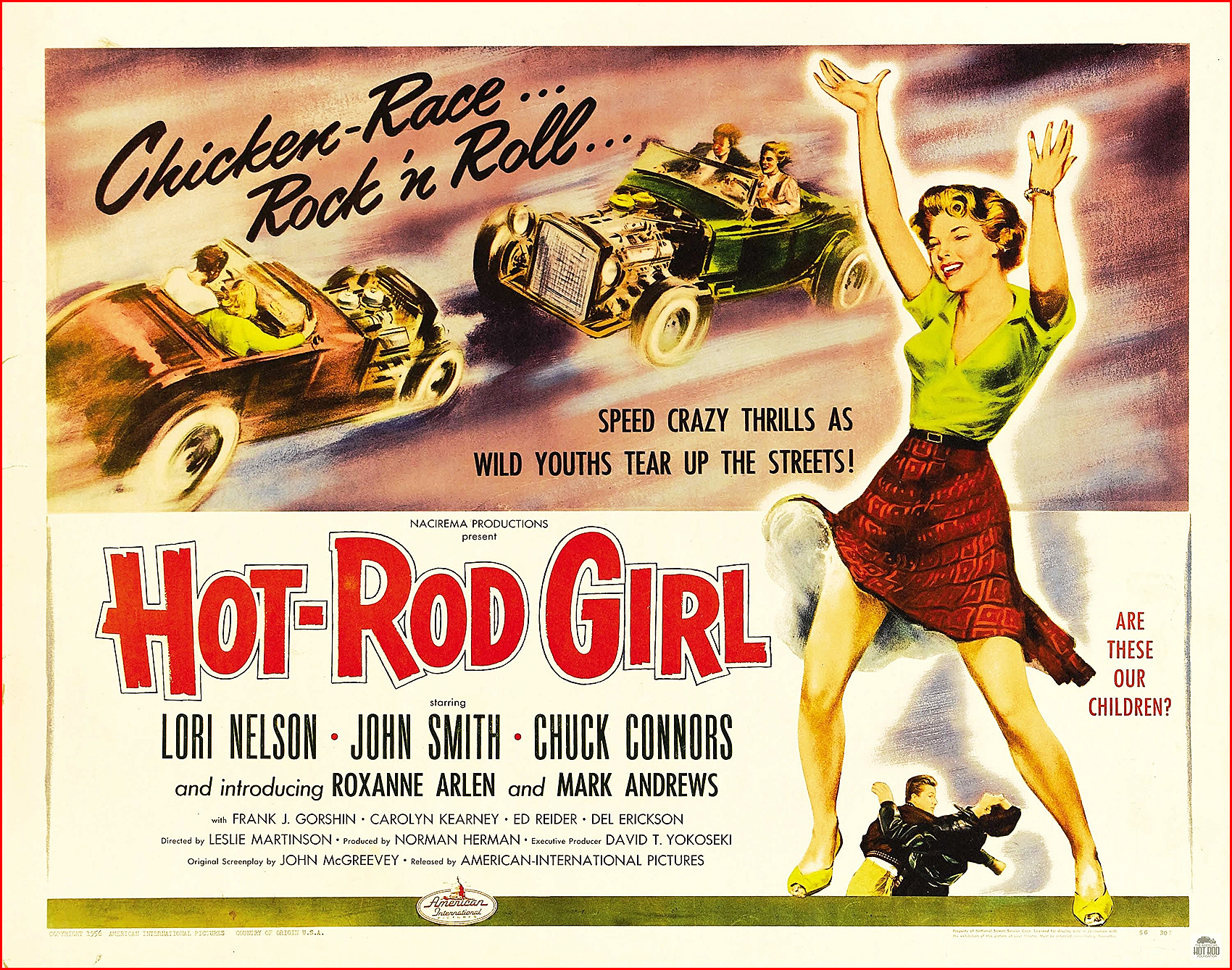
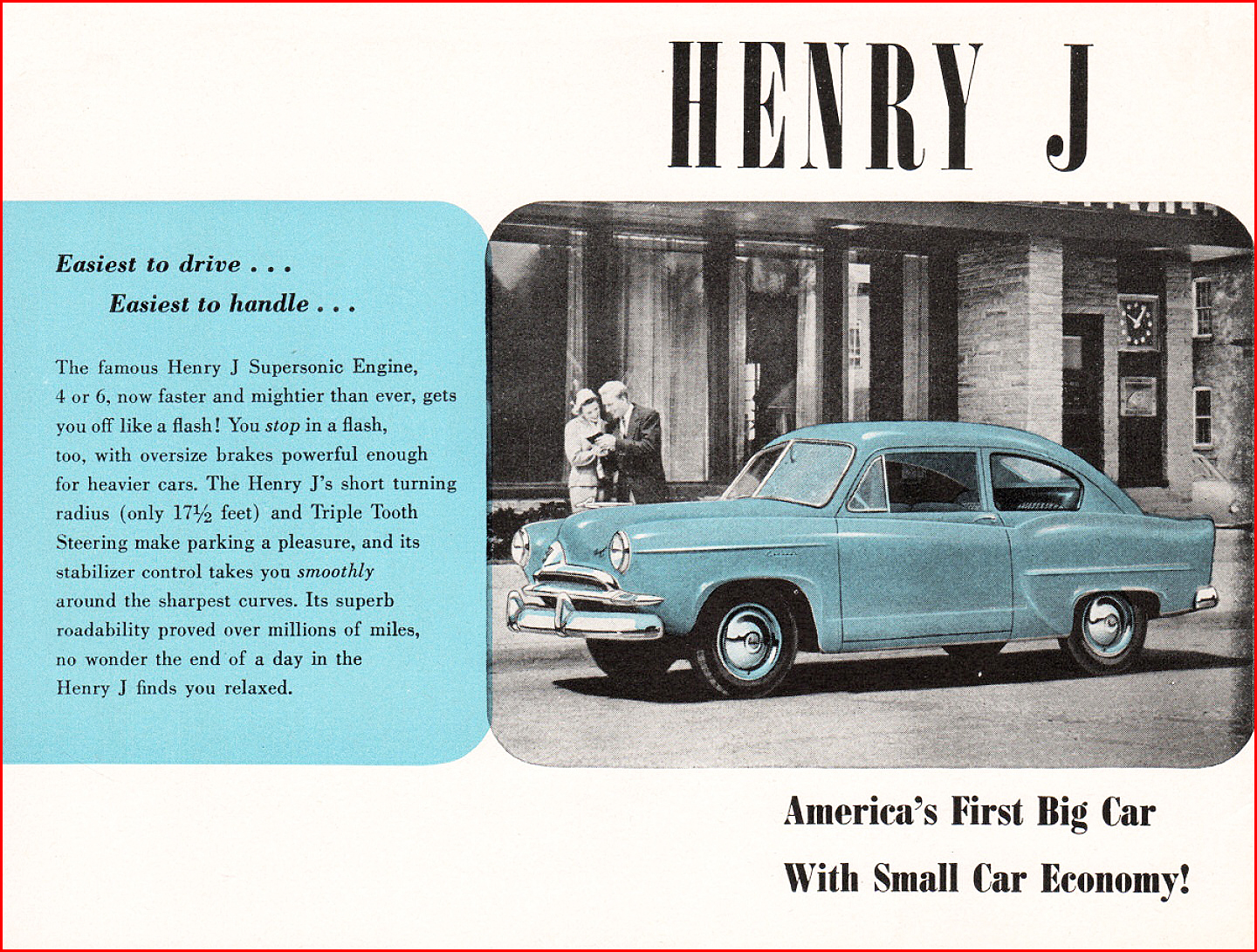
Culturally, the Henry J was a working-class hero. It starred in ads as “America’s lowest-priced car” (it actually wasn’t) and appeared in B-movies like Hot Rod Girl (1956). People who drove their Standards or Corsairs to factory jobs swore by its reliability despite its bare-bones vibe. The Henry J’s boxy look earned nicknames like “Little Brick,” but its affordability resonated in an era of post-war optimism.
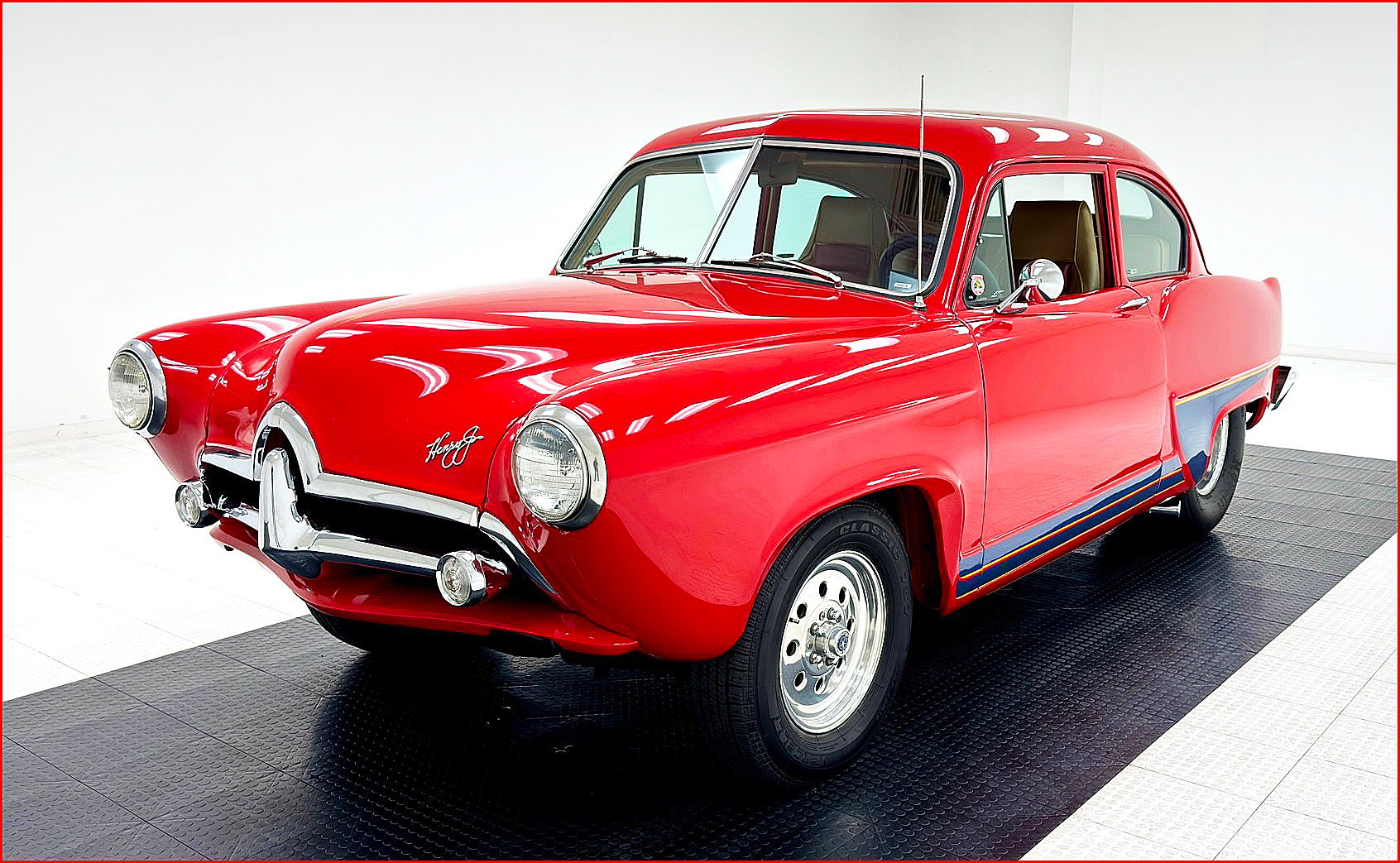
The Henry J’s demise came from bad timing and lack of the economies of scale that the Big Three automakers enjoyed. Launched during the Korean War, it faced material shortages and rising costs. By 1953, Detroit’s Big Three flooded the market with flashier compacts. Kaiser’s lack of a dealer network and the Allstate misstep didn’t help. Yet the Henry J’s legacy endured; it pioneered the compact segment, paving the way for the Ford Falcon and Chevrolet Corvair, cars that well outsold it. Kaiser’s Willow Run plant later built Jeep Cherokees, and the Henry J’s unibody design influenced modern compacts. Total production was modest: 81,942 in 1951, 31,272 in 1952, 17,828 in 1953, and 1100 in 1954.
It wasn’t a sales juggernaut, but it was a gutsy try. In the end, Henry Kaiser didn’t create a “modern Model A” as he’d hoped. By being forced to focus almost exclusively on cutting the price as far as they could, the small sedan was stripped of so many basic features that it was perceived as a car for poor people…and as history has shown, no car with that reputation can succeed for long. Remember the Yugo? But for every gearhead who parked one in their driveway, the Henry J was a reminder that small cars could have big heart. ✪
Got a Great Car Story? Share it! Reminisce About Your Other Favorite Cars, Too!
Seeyas Again Next Time On FLAT OUT!


















▶️ DONATE VIA PAYPAL (DEBIT & CREDIT CARD)
ALL PayPal Transactions Are Encrypted For Card Holder Privacy & Security
▶️ DONATE VIA ZELLE (DIRECT BANK CASH TRANSFER)
ZELLE is the perfect online alternative to PayPal. It’s an incredibly simple, secure, easy, fast and FREE way to send or receive money to recipients directly from your online banking account without a middleman. Best of all, there’s NO fees.
ZELLE is a service provided by your bank and is already built in to your online banking account. You only need to activate it first before using. If you’ve already activated ZELLE in your online bank or credit union account, you can donate to The New Americanist by using our ZELLE address:
vip@thenewamericanist.com
To activate your ZELLE, follow these easy instructions (a simple two minute process):

▶️ DONATE VIA SNAIL MAIL