Hi Folks…And Welcome Again To FLAT OUT!
The Car That Saved Maserati! It’s…
The Maserati Ghibli: 1967-2024
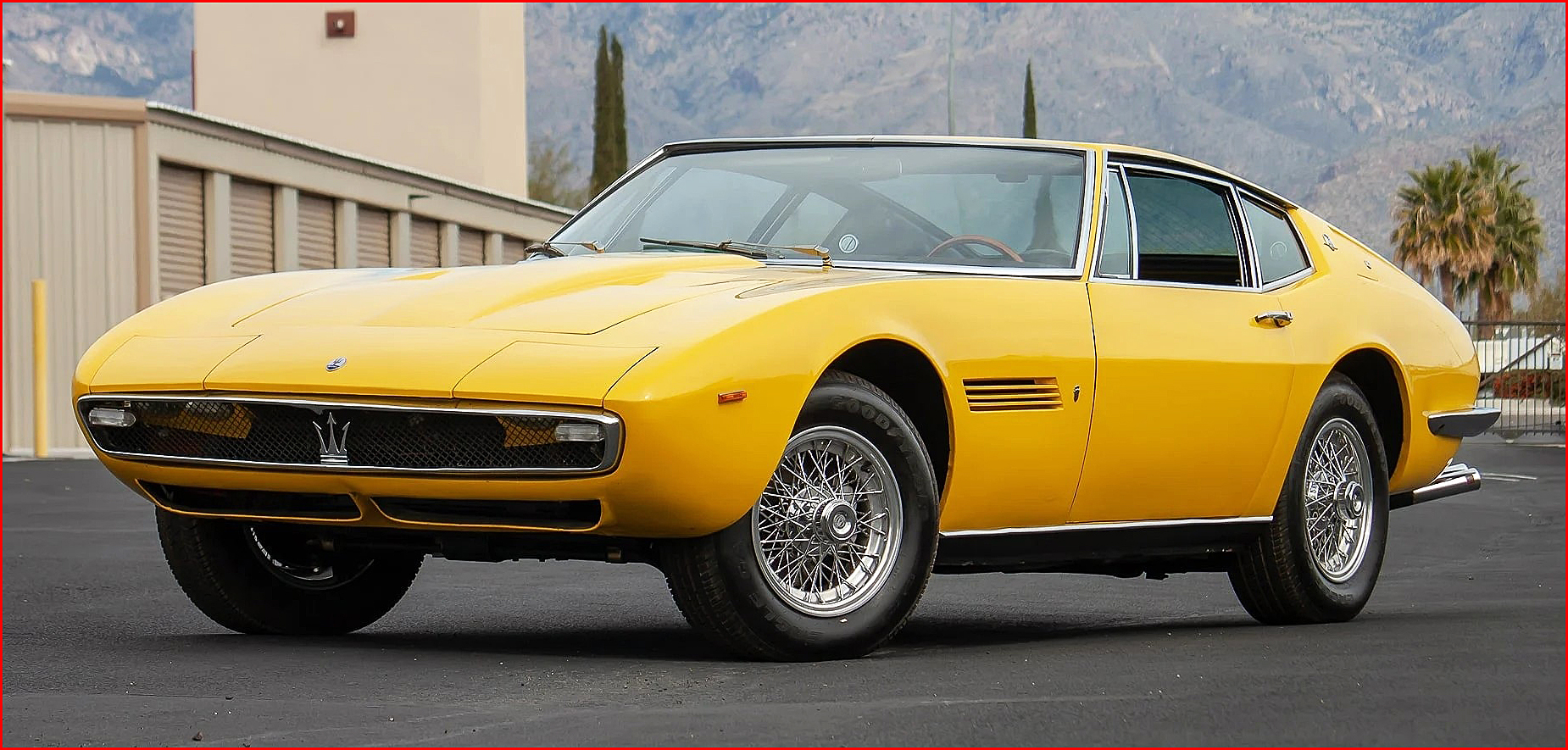
✪ The Maserati Ghibli has worn the trident three times, and each version carried the same mission: to be the fastest, most beautiful four-seat grand tourer money could buy. The name Ghibli comes from a hot, dry Libyan desert wind that can turn calm skies into sandstorms in minutes. Each time the car has lived up to the name: sudden, beautiful, and impossible to ignore. The Ghibli has always been about speed with style, power with presence, and just enough Italian drama to make every drive feel cinematic. Across fifty-seven years the Ghibli has been a hand-built V8 grand tourer, a twin-turbo luxury coupe missile, and a modern super-sedan that can seat four in luxury Alcantra leather while outrunning most two-seat sports cars.
First Generation 1967-1973
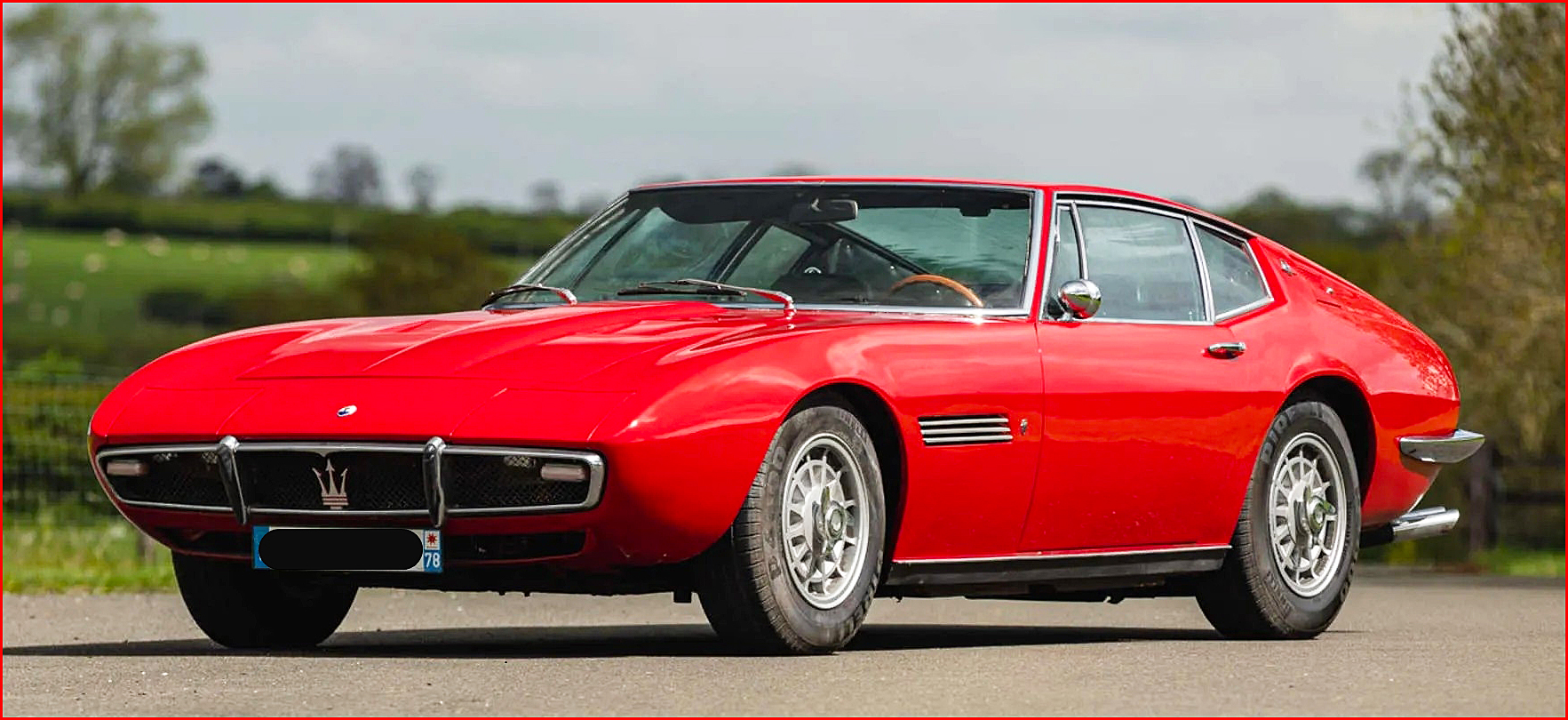
Styled by Giugiaro, perhaps the greatest and most prolific body artist of all-time, the Ghibli was much more of a Grand Touring car than its aforementioned cross-town rivals, with a generally more subdued though no less striking overall appearance in comparison. Its graceful, tapering, and razor-sharp nose flows into incredibly long and flowing fenders—so long in fact that they appear to be identical in length to whatever car remains aft of the A pillar, an area dominated by what was and remains a huge and airy greenhouse for such a low-slung car, made all the more remarkable by its perfect implementation, remaining cohesive with a type of body more frequently adorned with very little glass.
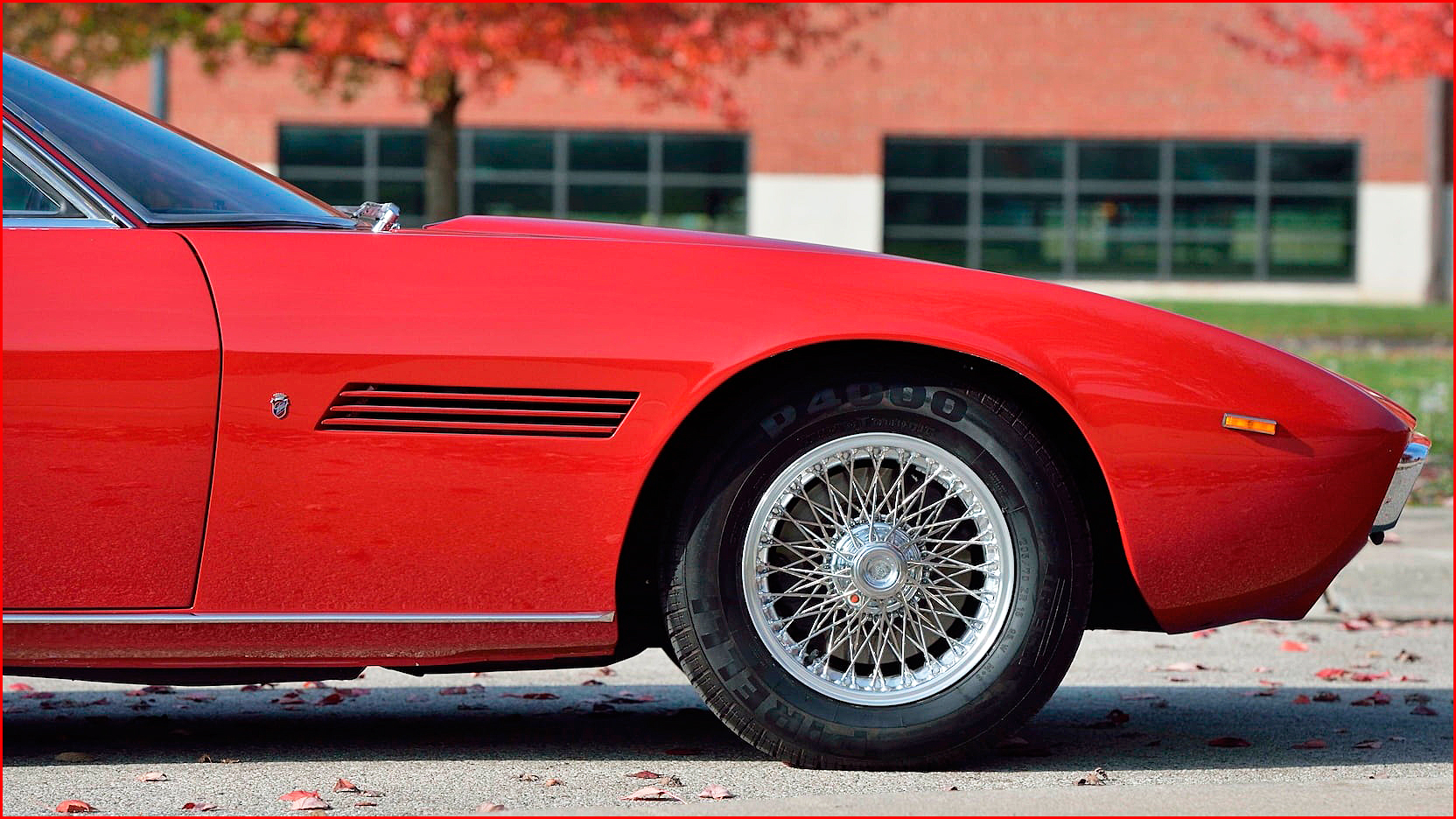
Details like the horizontal venting between the front wheel housings and leading edge of the doors help break up the Ghibli’s mass into more easily visually digestible pieces, while others serve less practical functions and are simply gorgeous for the sake of being so. Witness, for example, the reversed C-pillar venting, each delicate impression housing symmetrical fuel filler doors giving access to twin 13 gallon fuel tanks—the quad cam, 4.7 liter, 330 HP (200 CC larger and 5 HP more powerful in SS form) V8 living underneath that runway-length hood was thirsty even by the lax standards of the day, returning single digit fuel economy if asked to perform anywhere near its limits.
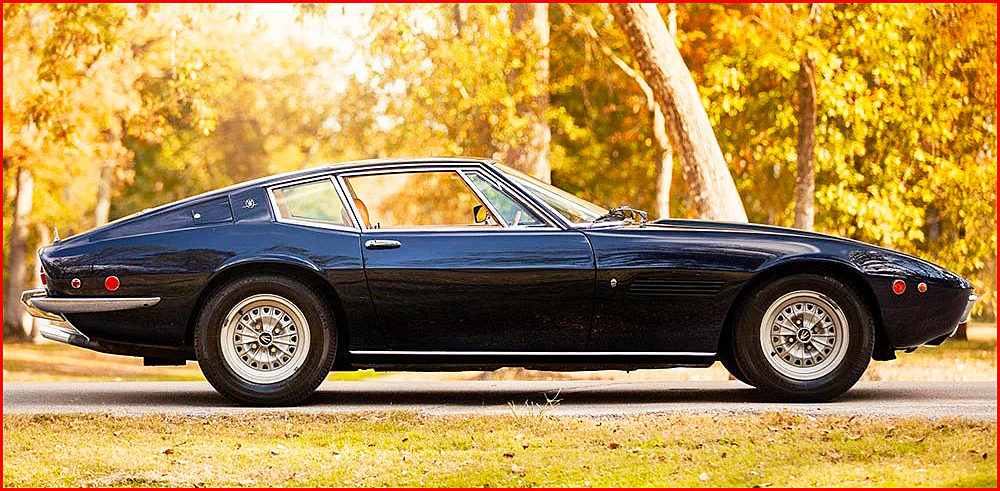
Lamborghini famously claimed his Espada was intended to be a sort of Italian Rolls Royce; large, comfortable, quiet, powerful and stately. I like to think of the Ghibli as the Italian equivalent of an Aston Martin, combining all those lovely virtues but with an added reserve of understatement, elegance, and sportiness. The idea of driving one across the Alps sometime in the spring of 1967, en route from Genoa to Monaco with two full tanks and Dusty Springfield on the Becker are imagined memories from a bygone era of style and the kinds of dreams vintage cars hold for those of us afflicted.
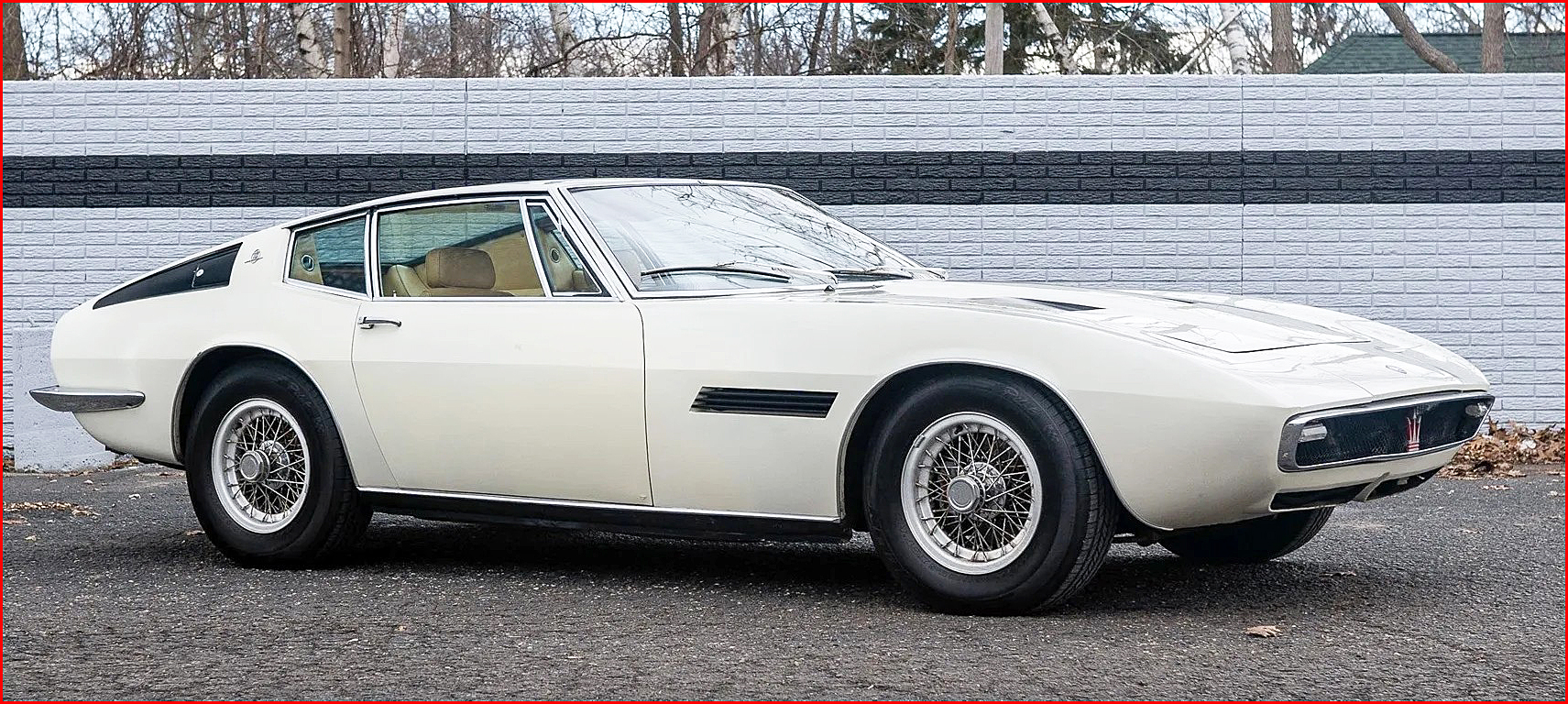
Maserati was facing imminent failure in the mid 1960s, and the Ghibli can largely be credited with avoiding that sad fate. Maserati introduced the original Ghibli on November 3, 1966 at the Turin Motor Show, and the jaws of automotive journalists and gearheads alike collectively hit the floor. Famed designer Giorgetto Giugiaro, then twenty-eight and working for Ghia, delivered one of the most perfect shapes ever put on four wheels. Built on a shortened tube-frame chassis derived from the Mexico, the Ghibli was a true front-engine, rear-drive grand tourer with room for four real adults, something its contemporary the Ferrari Daytona could not claim. The car stood only 46 inches tall, yet it seated those four adults in genuine comfort. The hood stretched forever, the beltline sat low, and the rear deck dropped away like a cliff. Hidden headlights, a raked windshield, and a subtle ducktail gave it a predatory stance that still looks modern today.
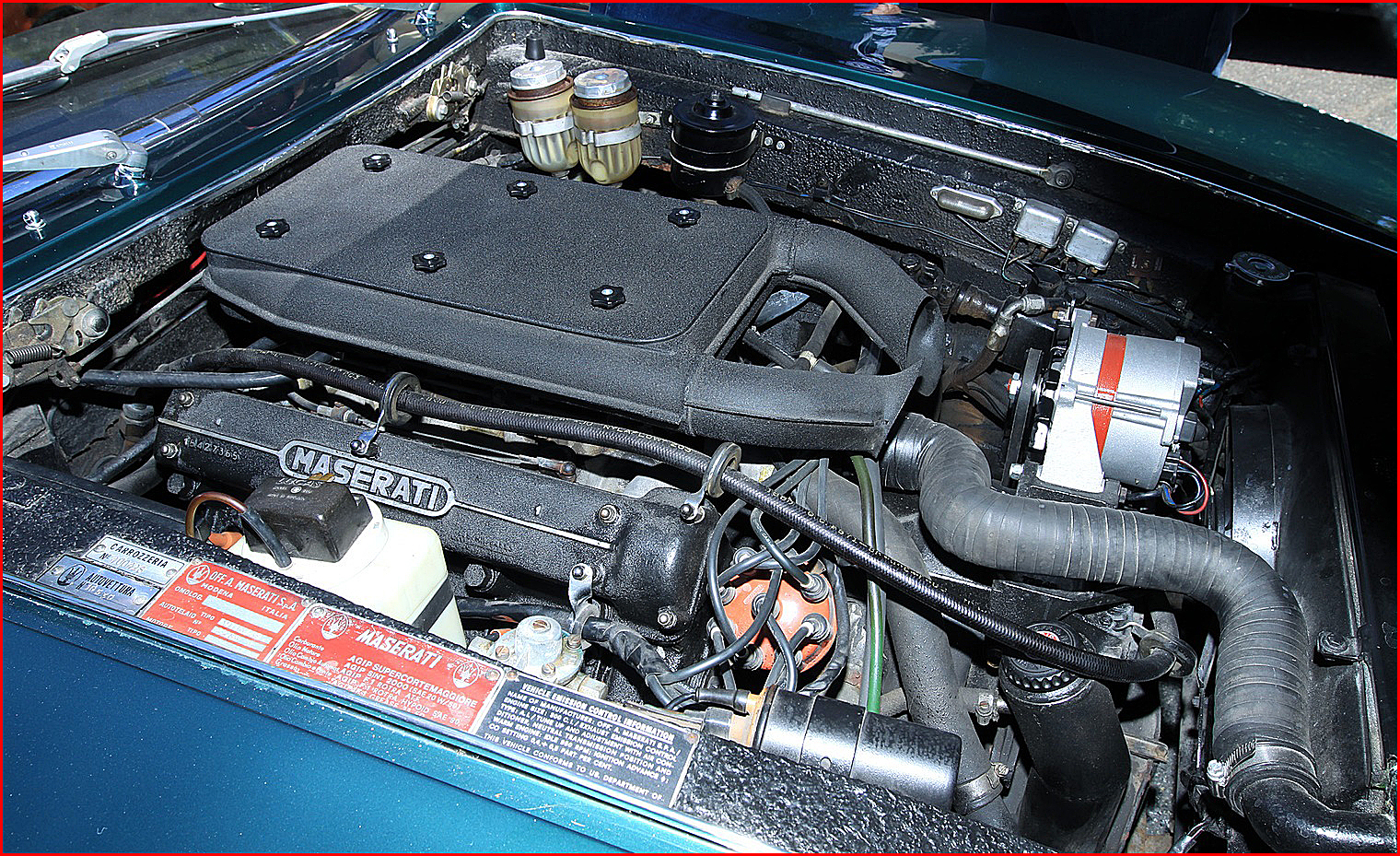
Under that endless hood sat Maserati’s glorious 4.7-liter dry-sump V8, descended directly from the 450S sports racer that Stirling Moss drove at Le Mans. In road tune it produced 310 horsepower at 6000 RPM and 330 lb-ft at 4000 RPM with four Weber 40 DCNL downdraft carburetors. The engine sat far back for better weight distribution, giving the Ghibli a near-perfect 51/49 balance. A ZF five-speed manual was standard, while a Borg-Warner three-speed automatic catered to American buyers who wanted to cruise Sunset Boulevard without shifting. The 3,549-lb. coupe rocketed from zero to 60 mph in 6.5 seconds and top speed was a verified 154 mph, making it the fastest four-seat production car on Earth when it was launched. In 1969 the legendary Ghibli SS arrived with a bored-out 4.9-liter engine producing 335 horsepower and adding 20 MPH to the top speed. Road & Track magazine clocked one at 170 mph flat-out on an Italian Autostrada in 1970
The Ghibli boasted a double-wishbone front suspension, a De Dion rear axle on early cars (later switched to a live axle with leaf springs), and massive Girling ventilated discs. Steering was recirculating-ball with power assistance, and the ride was surprisingly supple for something that could humiliate Corvettes on a mountain road. The Ghibli cornered with poise for its size, though the rear end could step out if provoked, exactly how Italian grand tourers should behave. Inside, occupants sat in Connolly leather buckets, and power windows and air conditioning made long trips tolerable while the wooden Nardi steering wheel reminded you this was still a driver’s car. The dashboard was pure 1960s Italian glamour: big Veglia Borletti gauges, toggle switches, and an optional Becker Mexico radio that cost almost as much as a Volkswagen Beetle. \
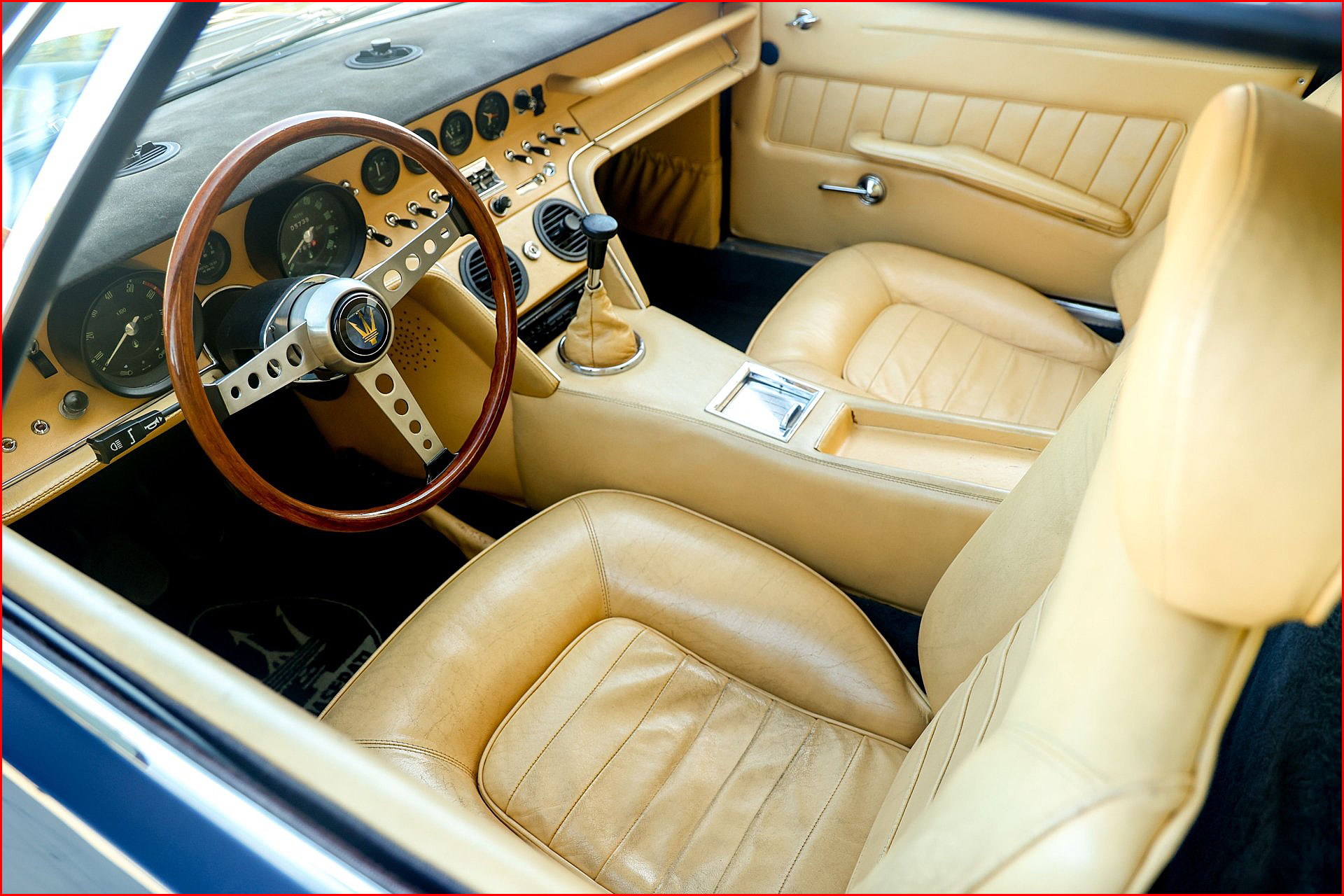
Inside, in typical fashion of the day, one finds gauges and toggle switches strewn about a long and flat metal dash, interrupted by a wide and high-mounted center console running the length of the cabin. A wood-rimmed steering wheel with tapered and drilled alloy spokes frames a tachometer redlined at 5,500 RPM and a 150 MPH speedometer; adjustable neither in length or rake it necessitated a long arm, short-legged driving position then prevalent in Italian cars; not exactly comfortable, but really, who cares?
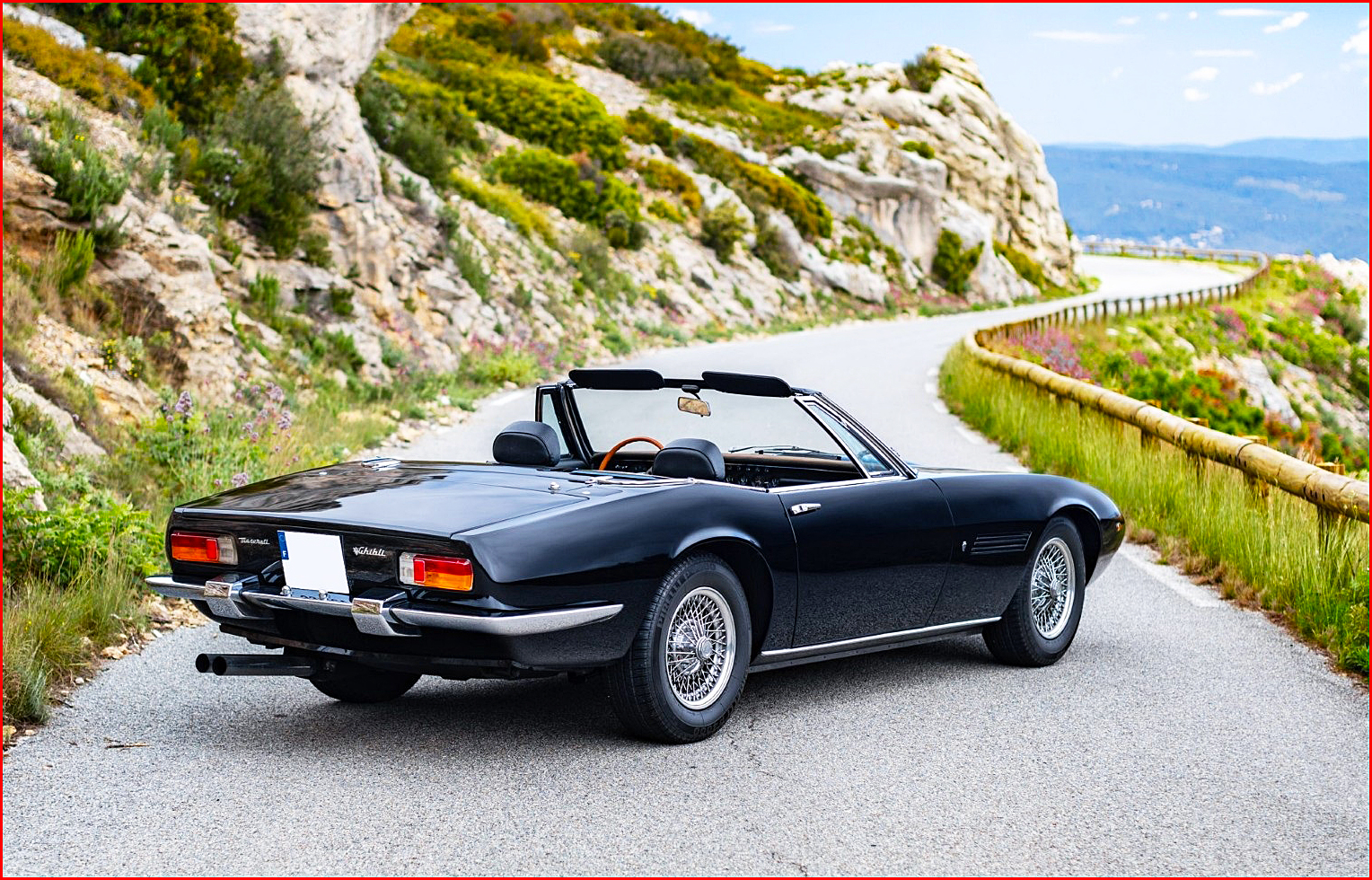
Only 1270 Ghiblis were built between 1967 and 1973: 1149 coupes and 125 Spiders (the convertible is one of the rarest and most valuable Maseratis ever made). Of those, 425 were the rare SS version. Celebrity owners included Frank Sinatra (red coupe), Peter Sellers (silver SS), Sammy Davis Jr. (white Spider), and Jean-Paul Belmondo. A white 1969 SS starred in the film The Thomas Crown Affair, driven by Faye Dunaway while Steve McQueen watched admiringly from the passenger seat. Original list price in the United States was $18,950 in 1969, or about the cost of two 1969 Cadillacs. That translates to roughly $160,000 in 2025 dollars. Today a concours-level Ghibli SS trades between $350,000 and $600,000, with Spiders pushing $1 million. Production ended in 1973 when the oil crisis and Citroën’s brief ownership of Maserati shifted priorities. It was their most successful car ever at the time, and outsold the Ferrari Daytona and Lamborghini Miura by a large margin. The Ghibli bowed out as the ultimate analog grand tourer, a car that looked and sounded like pure sex on wheels.
Second Generation 1992–1998
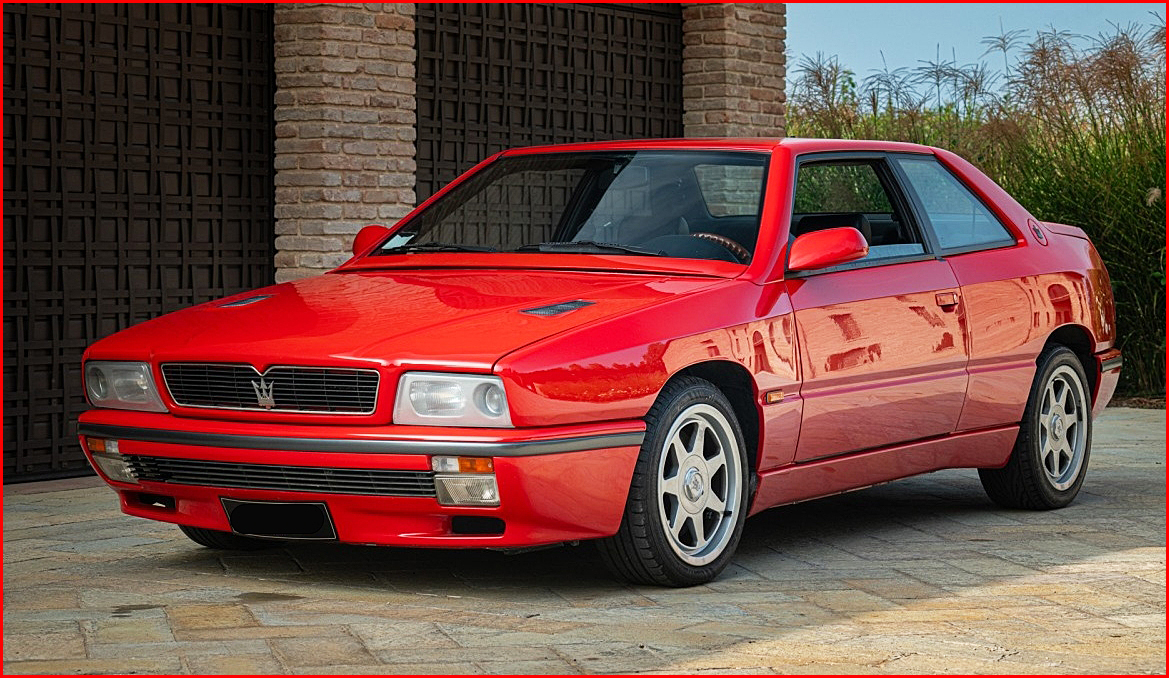
After nineteen quiet years the Ghibli name returned in 1992 on a very different car. The new Ghibli was a shorter-wheelbase evolution of the Biturbo platform, now refined into something genuinely fast and usable. After the oil crisis and Citroën’s brief ownership, Alejandro de Tomaso rescued the company in 1975 and kept it alive with the Biturbo. The Biturbo, however, was a problem-plagued car, with turbo issues, electrical and carburetor problems, inferior materials on the interior and a generally poor reputation for reliability. In fact, the Biturbo‘s many issues nearly killed Maserati. By 1992 the reliability issues with the Biturbo had been sorted out and platform had matured enough to spawn the second Ghibli, a shorter, lighter, and far more refined grand tourer meant to take on the BMW 850i and Mercedes 500SL.
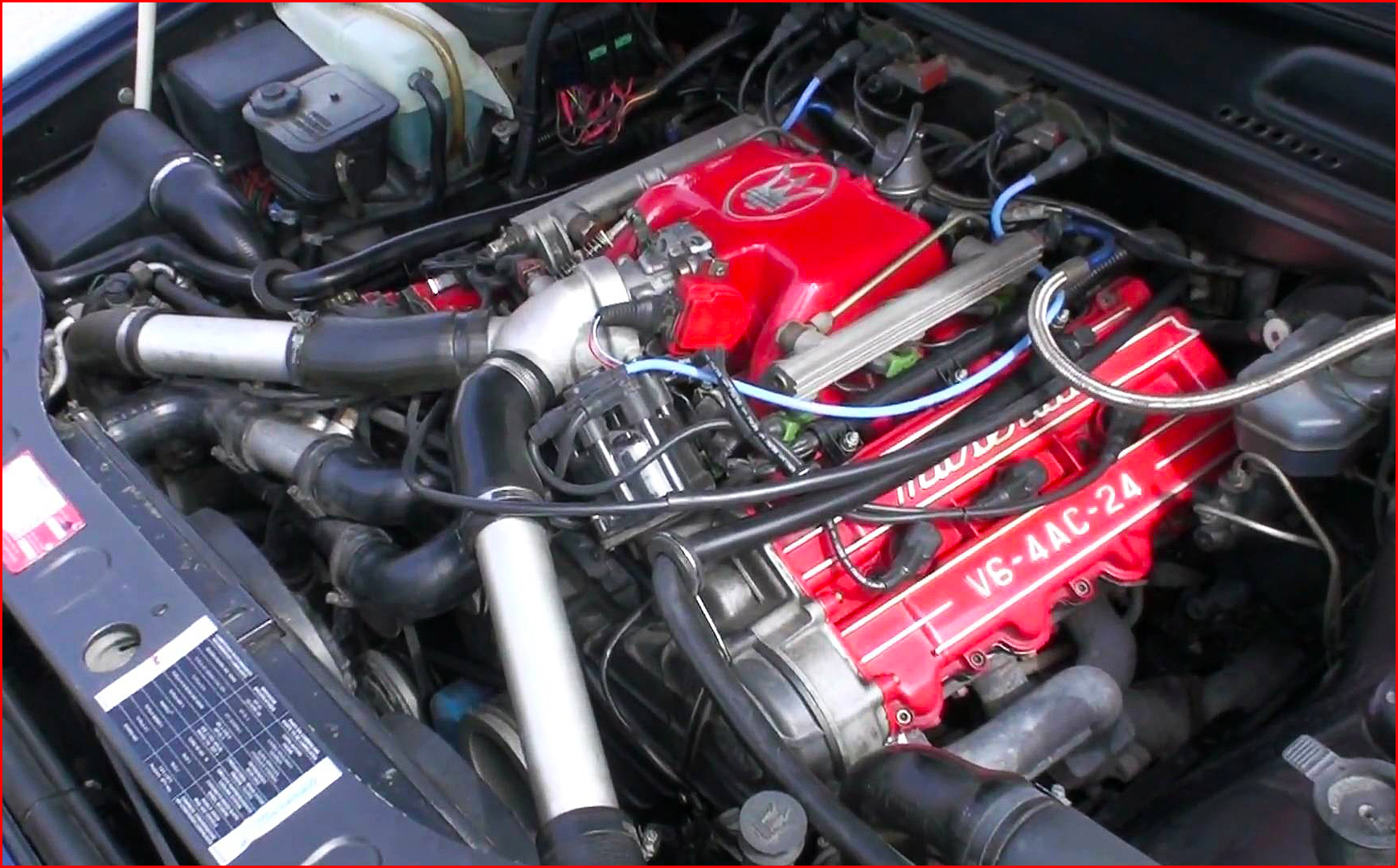
The heart of the new Ghibli (in Europe) was a 2.0-liter turbocharged engine making 306 horsepower at 6250 RPM and 457 lb-ft from 2500 RPM, numbers that sound insane until you remember Italian tax laws punished engines over two liters. European models got an an all-aluminum 2.8 liter 24-valve V6 with two IHI turbos making 284 horsepower and 313 lb-ft. A Getrag six-speed manual was rare but glorious; most cars left Modena with a four-speed ZF automatic and both sent power to the rear wheels through a Ranger limited-slip differential. Zero to 60 mph took 5.7 seconds and top speed was 165 mph, numbers that embarrassed many supposedly faster rivals.
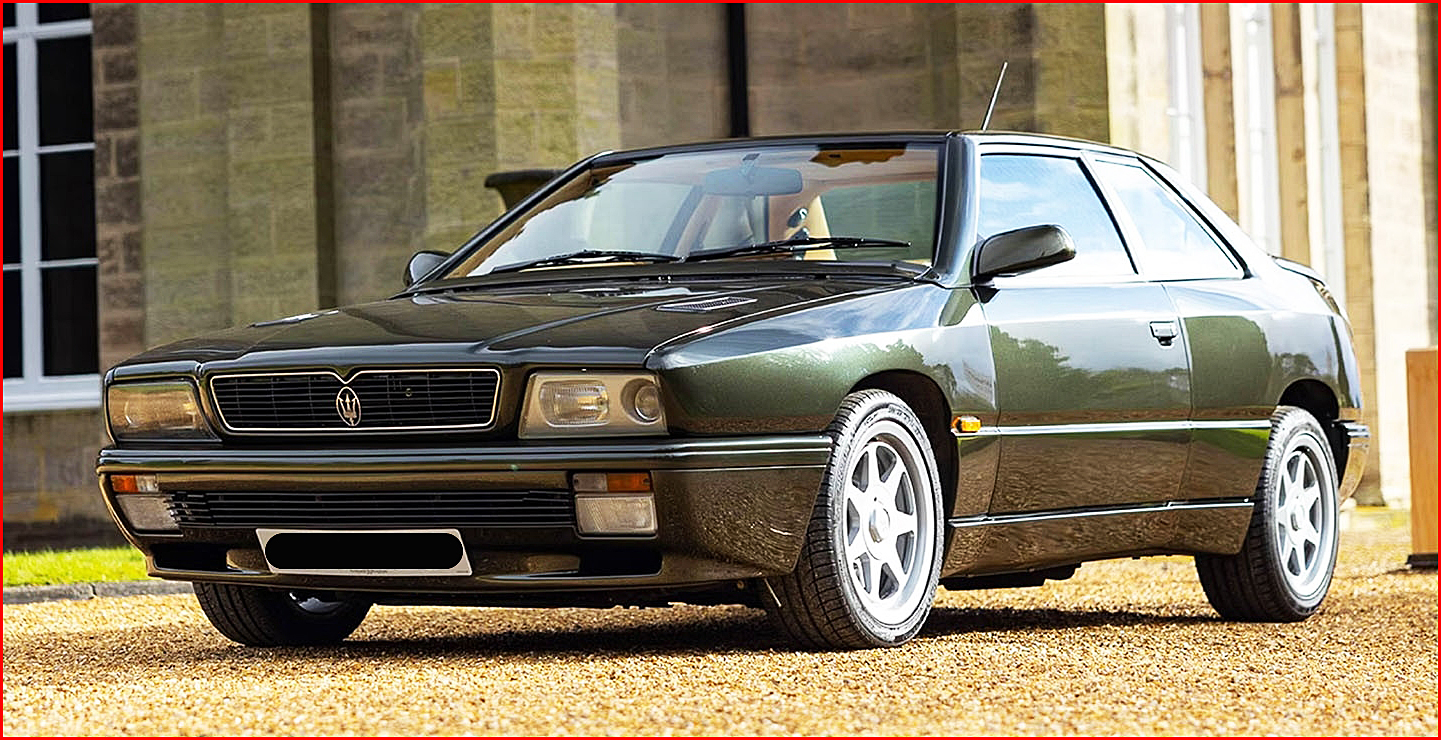
Suspension was fully independent with adaptive Koni dampers, anti-roll bars front and rear, and four-wheel ABS brakes hauled it down from speed. The interior was pure old-school Italian opulence: hand-stitched Connolly leather, birdseye maple or briar wood trim, and an analog clock that cost more than most people’s wristwatches. Production totaled 2300 cars before the model ended in 1998.
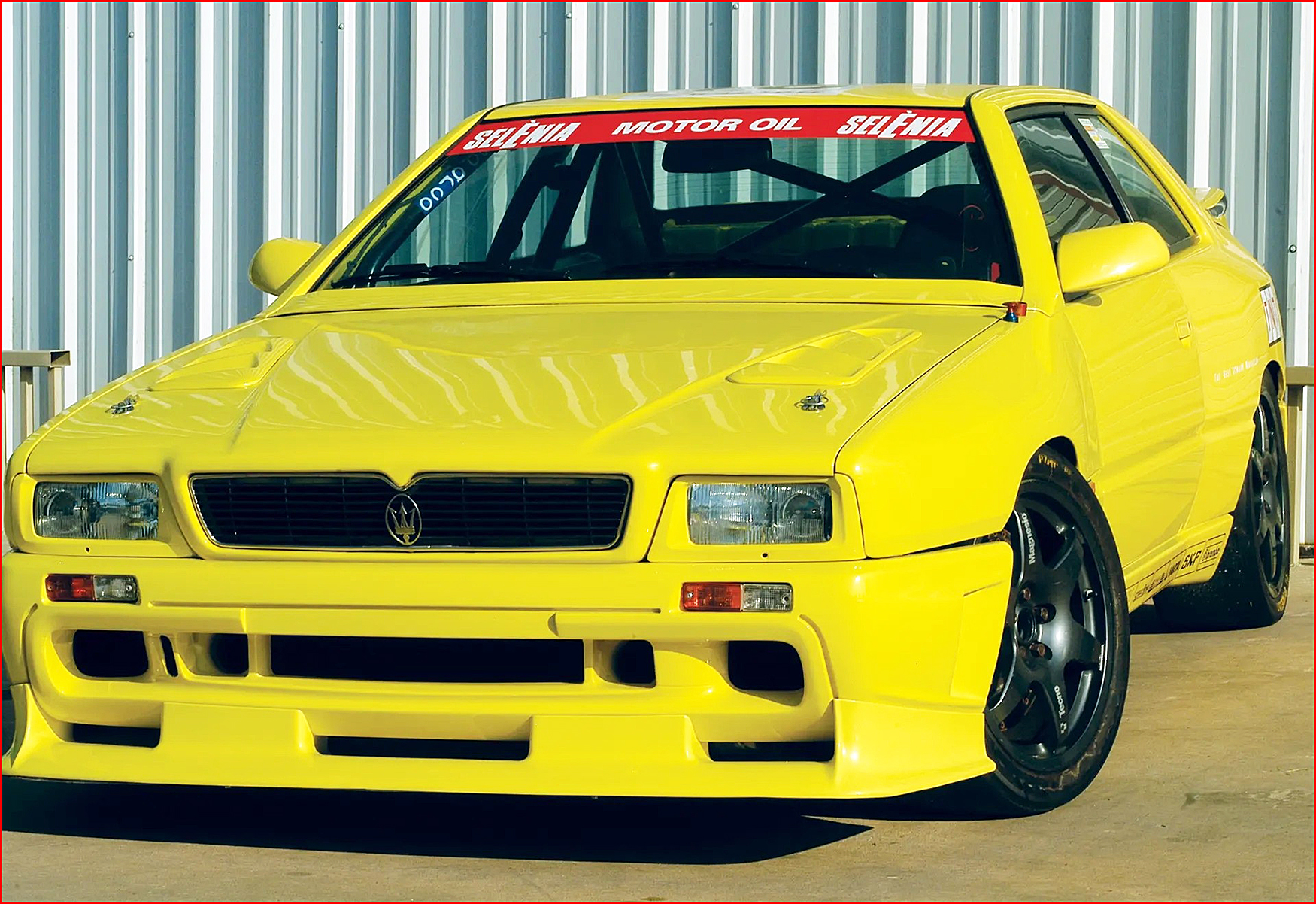
The 1994–1997 Ghibli Cup, derived from the Open Cup racing version and modified for street use, took the 2.0-liter engine to 330 horsepower and 2750 kg of downforce thanks to a front splitter and rear wing, making it the fastest road-legal two-liter car ever built at the time with a top speed of nearly 168 MPH. Though understated in appearance, it was identified by five-spoke Speedline alloy wheels, a lower suspension, more aggressive brake components, and a racing-type aluminum fuel cap. Colors were limited to red, white, yellow or French Blue. However, only 75 Cups were ever produced, with 15 made with a 2.8 liter V6 upon request. They still dominate historic racing grids today. Today a clean Ghibli Cup can fetch $150,000–$200,000, while regular Ghiblis trade in the $25,000–$45,000 range.
Third Generation 2013–2024
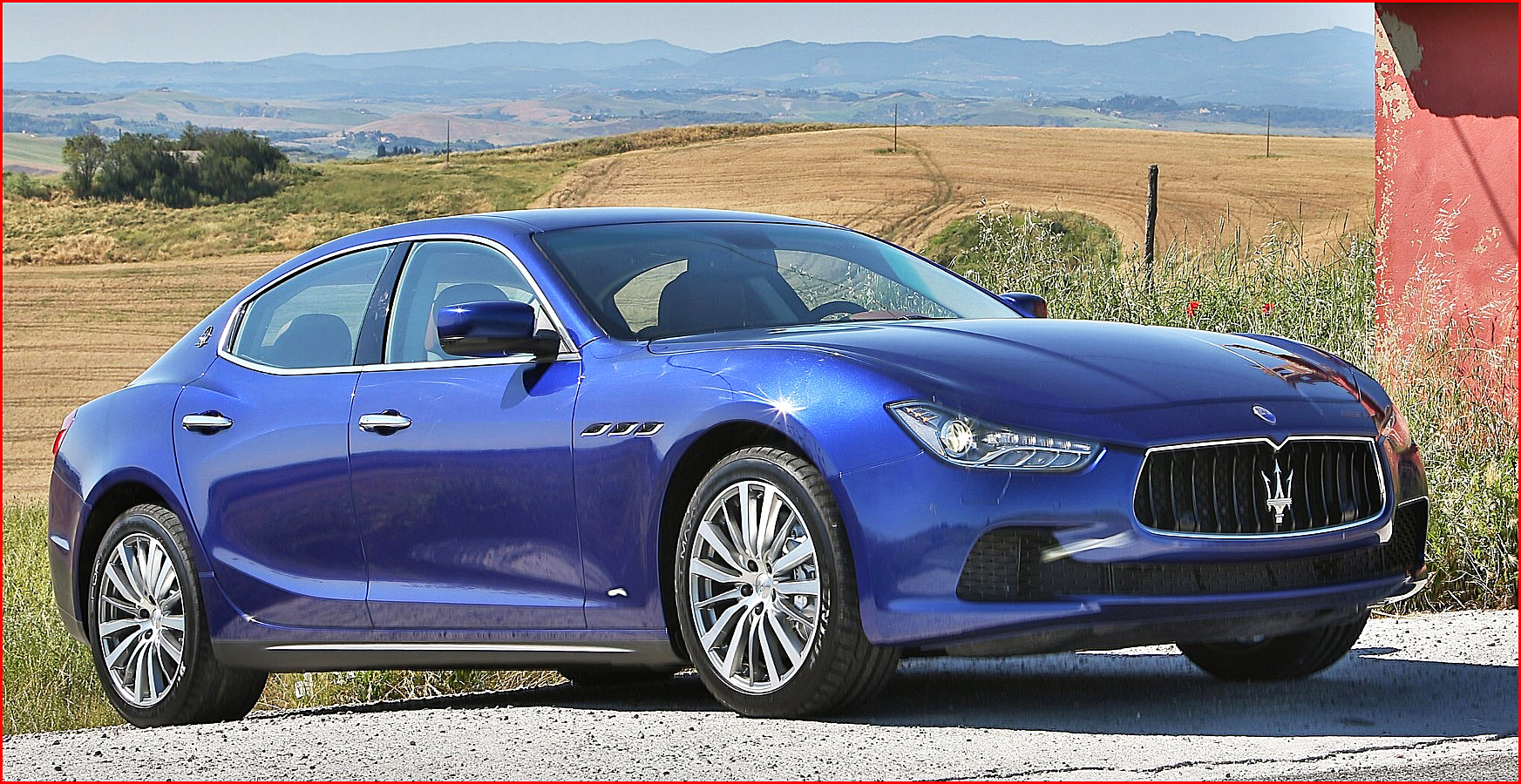
Maserati resurrected the Ghibli again in 2013, this time as a four-door sedan to fight the BMW 5 Series, Mercedes E-Class, and Audi A6. Built on a shortened Quattroporte platform at the Grugliasco plant near Turin, it was the first Maserati ever offered with a diesel engine (in Europe only) and the first to wear the trident on a car that could genuinely seat four adults in comfort while embarrassing Porsche 911s at stoplights.
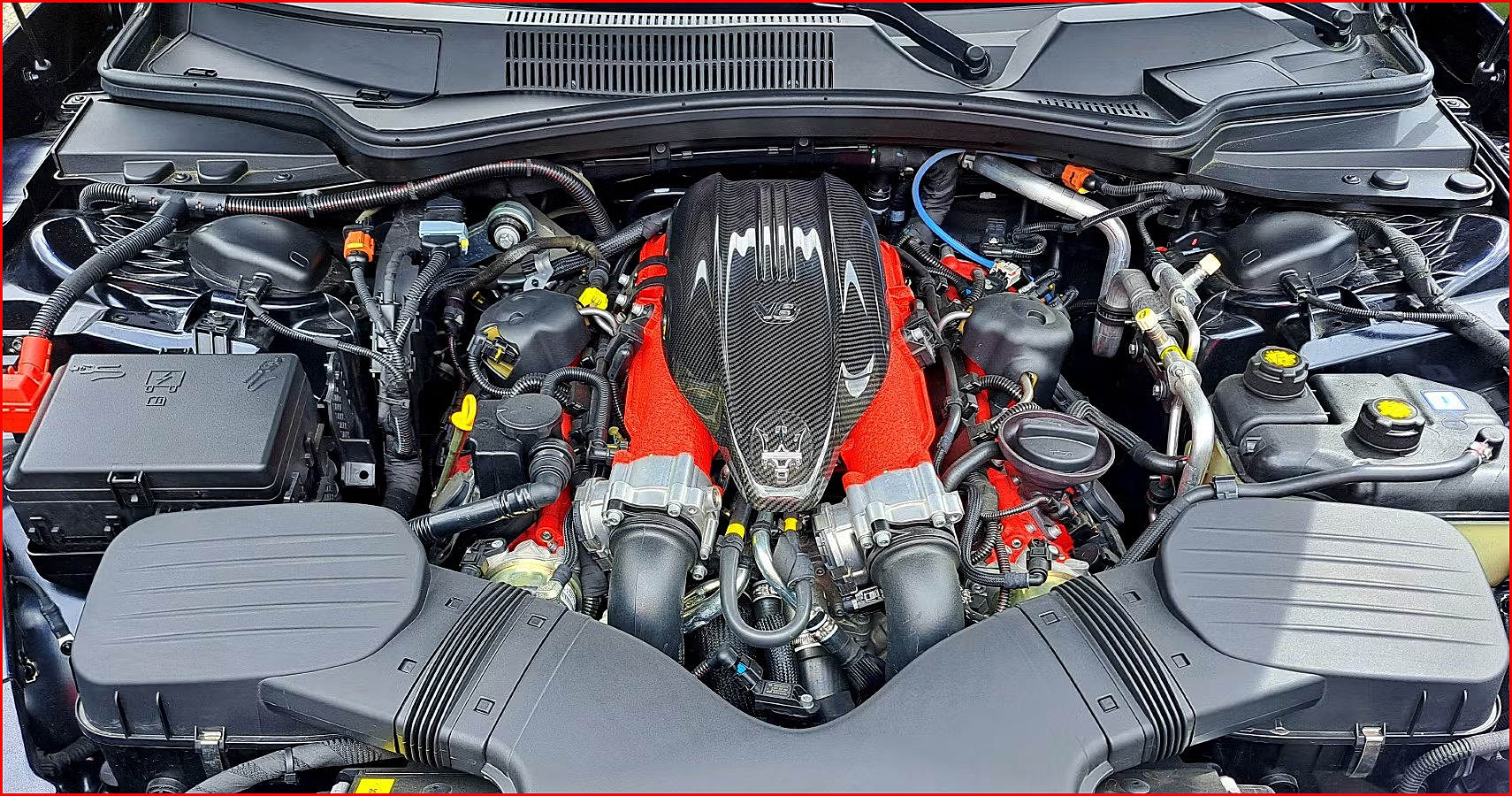
The new Ghibli launched with a Ferrari-designed 3.0-liter twin-turbo V6 in two states of tune: 345 horsepower in the base car and 410 horsepower in the Ghibli S. An eight-speed ZF automatic transmission and rear-wheel drive were standard, with Q4 all-wheel drive optional. The S hit 60 mph in 4.7 seconds and topped out at 176 mph. A 3.0-liter VM Motori diesel with 275 horsepower and 443 lb-ft of torque gave European buyers 45 mpg combined, unheard of for a car with the Maserati trident. In 2017 the GranLusso and GranSport trims added luxury and sport packages, while the 2018 facelift brought a 10.2-inch touchscreen and Level 2 driver assists.
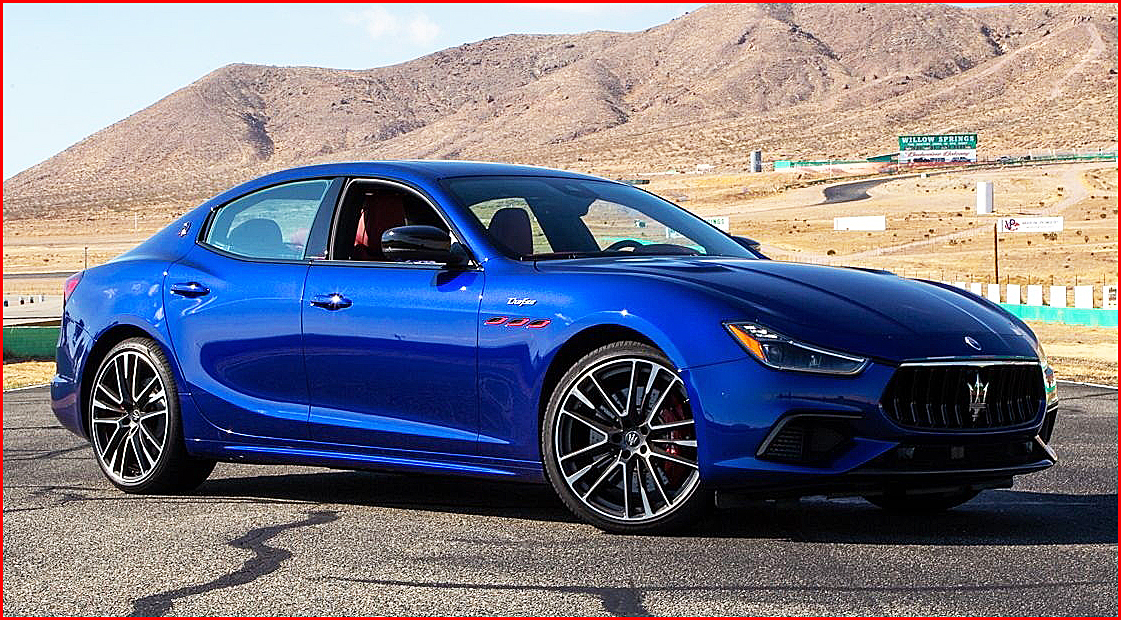
In 2017 the range expanded with the 424-horsepower Trofeo, but the real monster arrived in 2021: the Trofeo with a 572-horsepower 3.8-liter twin-turbo V8 borrowed from the Quattroporte. Zero to 60 mph took 3.7 seconds and top speed was an electronic-limited 203 mph, making it the fastest four-door Maserati ever built. The 2021 facelift also added mild-hybrid tech to the base V6 and a 10.2-inch touchscreen, while the 2024 final edition marked the end of pure internal-combusion engine Ghiblis. Over 80,000 third-generation Ghiblis have rolled off the line, dwarfing the combined production of the first two generations.
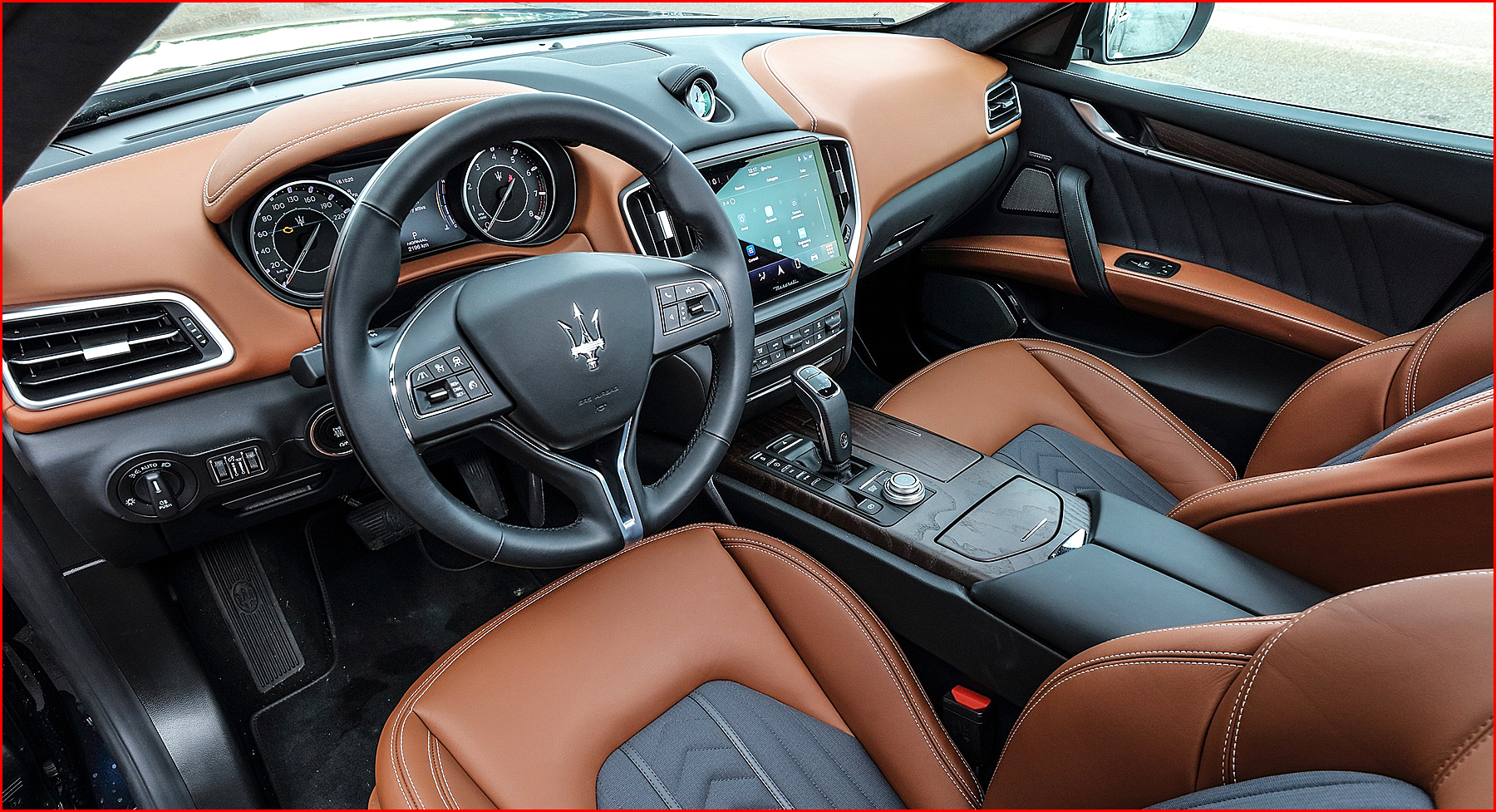
Inside, the modern Ghibli offers Pieno Fiore leather, open-pore wood or carbon fiber trim, and a 15-speaker Bowers & Wilkins sound system. The 2018–2023 models added Level 2 driver assists and Apple CarPlay. Ride quality is magic-carpet smooth in Comfort mode yet razor-sharp in Sport, thanks to Skyhook adaptive dampers smoothing out long highway miles while still carving corners when asked.
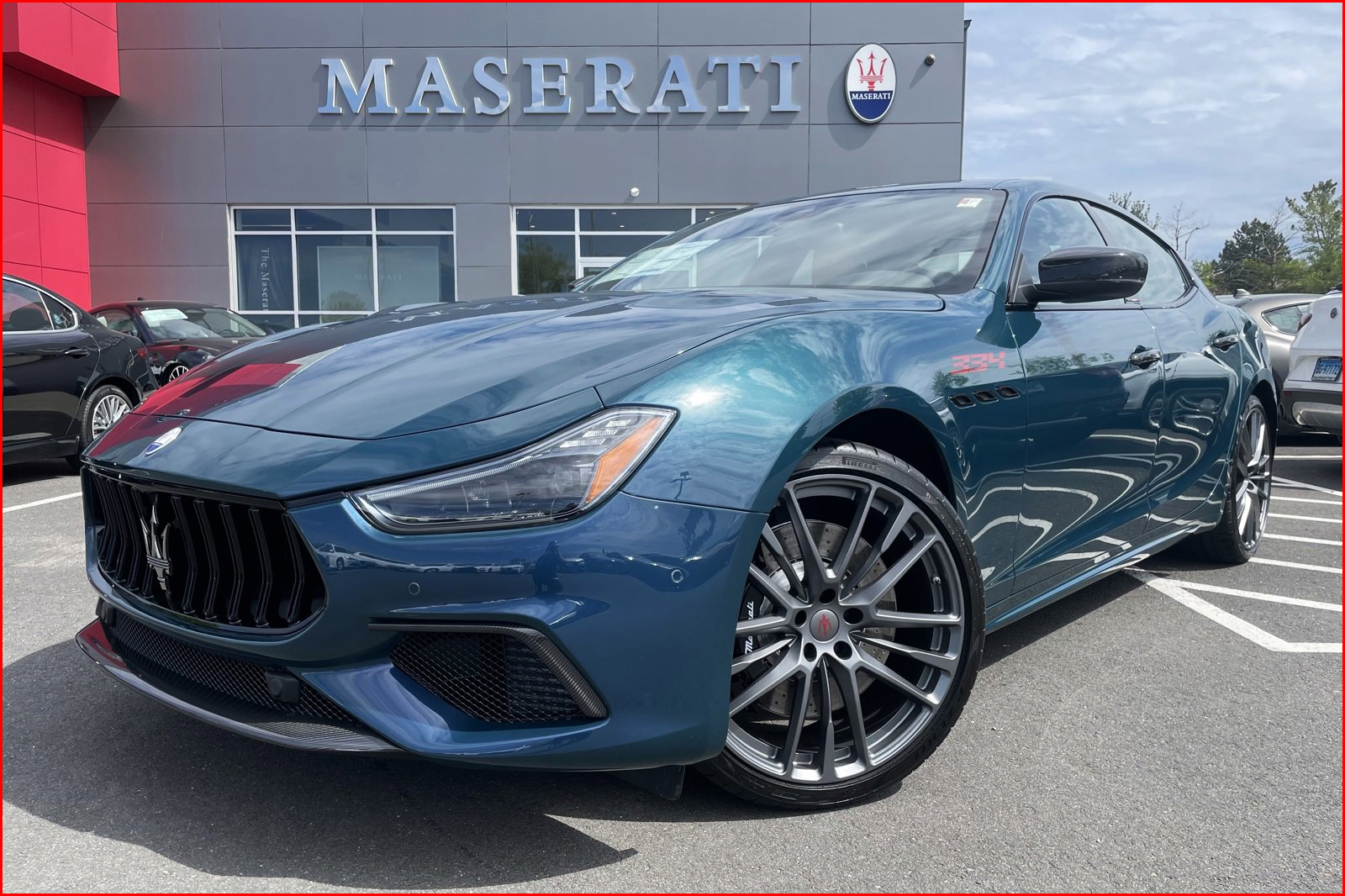
The 2024 Ghibli 334 Ultima celebrated the end of V8 production with 334 units painted in Scià di Persia and Blu Intenso, each capable of 208 mph at the Nardò ring, the fastest sedan Maserati ever built.
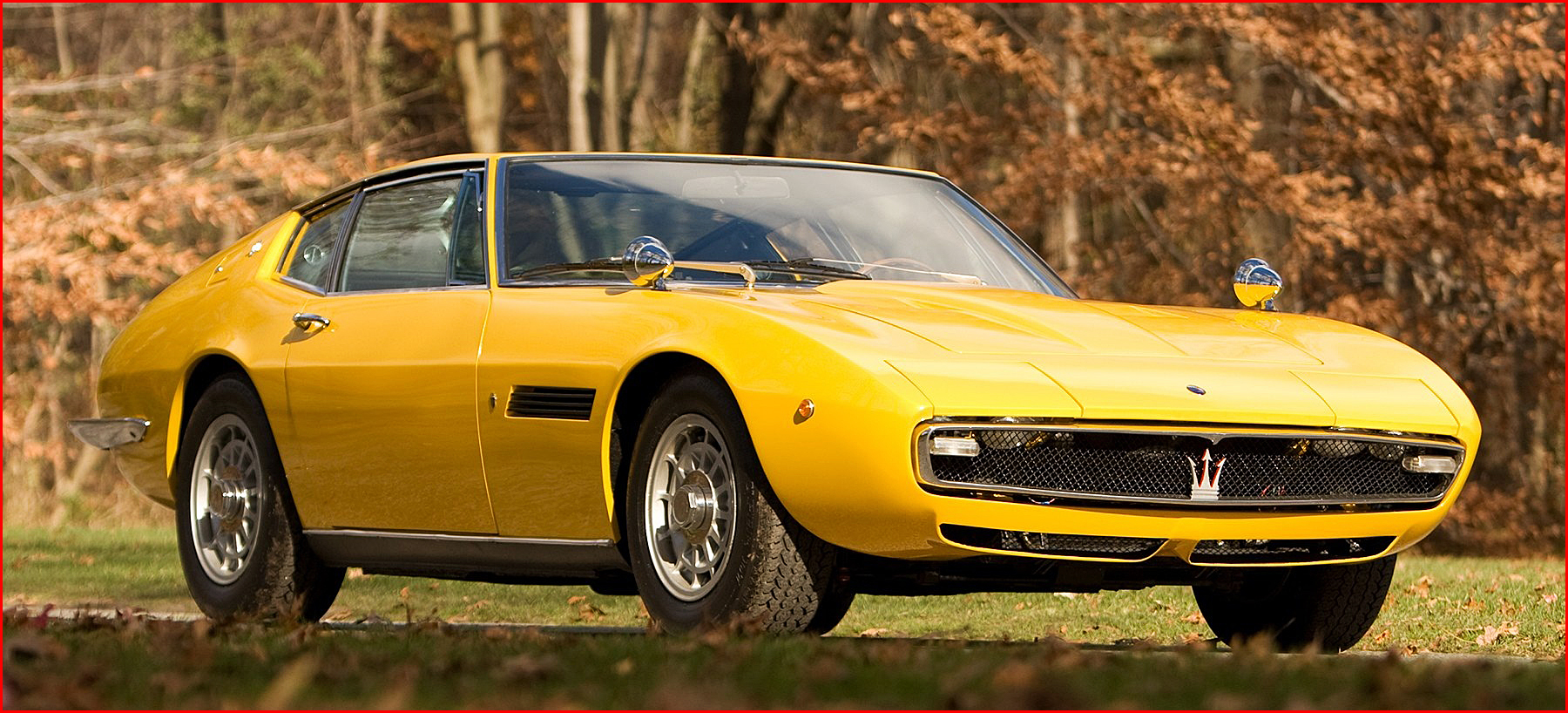
Three completely different cars, one unbroken thread: the Ghibli has always been the trident’s fastest, most beautiful way to carry four people while retaining the classic Italian sports-car feel. The 1967-1973 original remains the purest expression of grand touring artistry, a hand-built V8 grand tourer that looked faster standing still than most cars do at full throttle. The 1992 Biturbo-based coupe proved Maserati could survive the dark years and come out swinging, offering a usable daily driver with supercar pace. The 2013 sedan brought the name to more driveways than ever while still embarrassing dedicated 2-seat sports cars. From Sinatra cruising Mulholland Drive to modern Trofeos howling up the Stelvio Pass, every Ghibli has carried the same desert-wind promise: effortless speed wrapped in utterly Italian elegance. Few names have been revived three times across six decades and succeeded every single time. Ghibli is one of them.✪
Got a Great Car Story? Share it! Reminisce About Your Other Favorite Cars, Too!
Seeyas Again Next Time On FLAT OUT!


















▶️ DONATE VIA PAYPAL (DEBIT & CREDIT CARD)
ALL PayPal Transactions Are Encrypted For Card Holder Privacy & Security
▶️ DONATE VIA ZELLE (DIRECT BANK CASH TRANSFER)
ZELLE is the perfect online alternative to PayPal. It’s an incredibly simple, secure, easy, fast and FREE way to send or receive money to recipients directly from your online banking account without a middleman. Best of all, there’s NO fees.
ZELLE is a service provided by your bank and is already built in to your online banking account. You only need to activate it first before using. If you’ve already activated ZELLE in your online bank or credit union account, you can donate to The New Americanist by using our ZELLE address:
vip@thenewamericanist.com
To activate your ZELLE, follow these easy instructions (a simple two minute process):

▶️ DONATE VIA SNAIL MAIL