




▶️ TRUMP TO AUTHORIZE COAL PRODUCTION FOR ENERGY
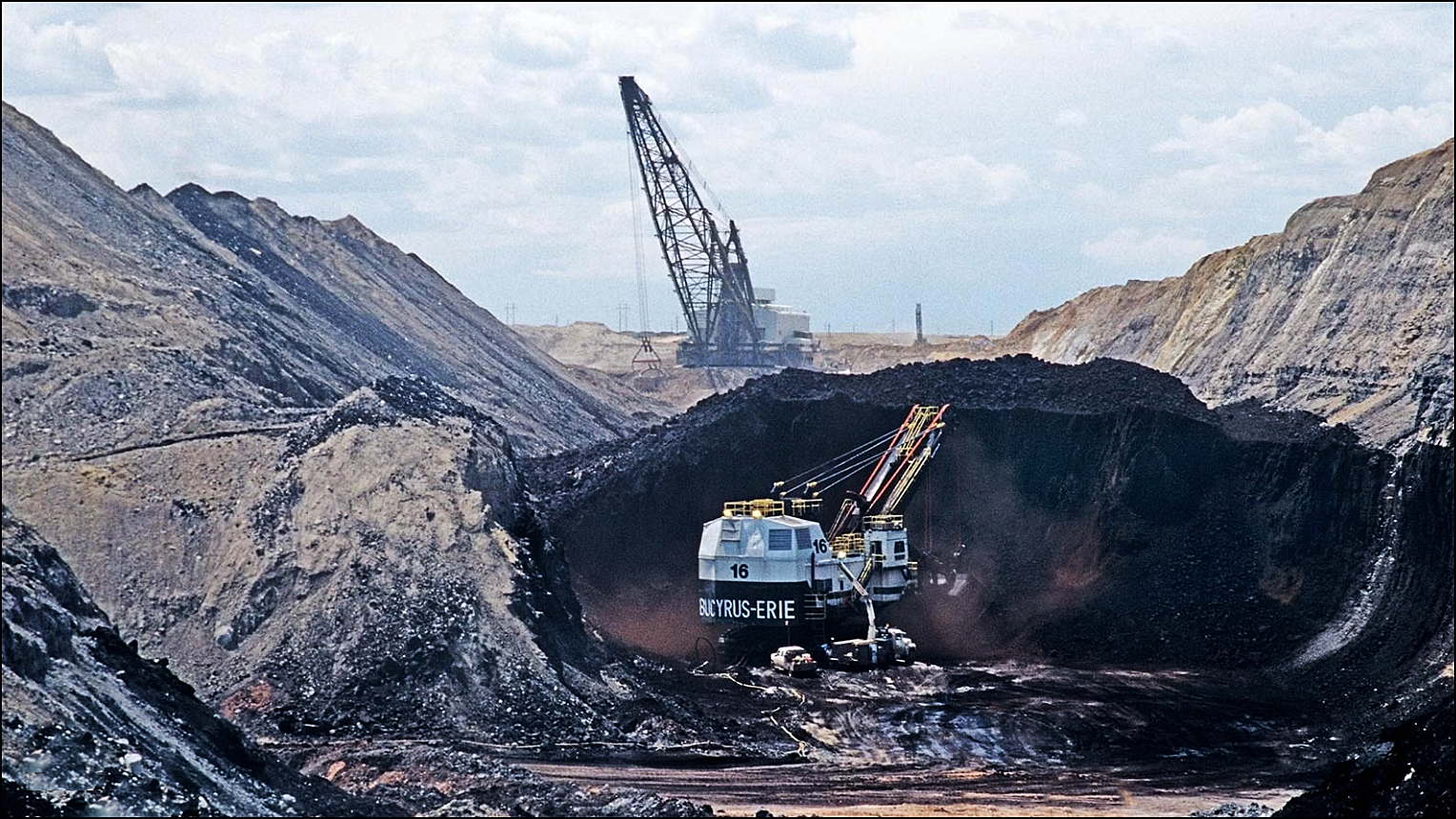
TRUMP TO AUTHORIZE COAL PRODUCTION FOR ENERGY

mmm
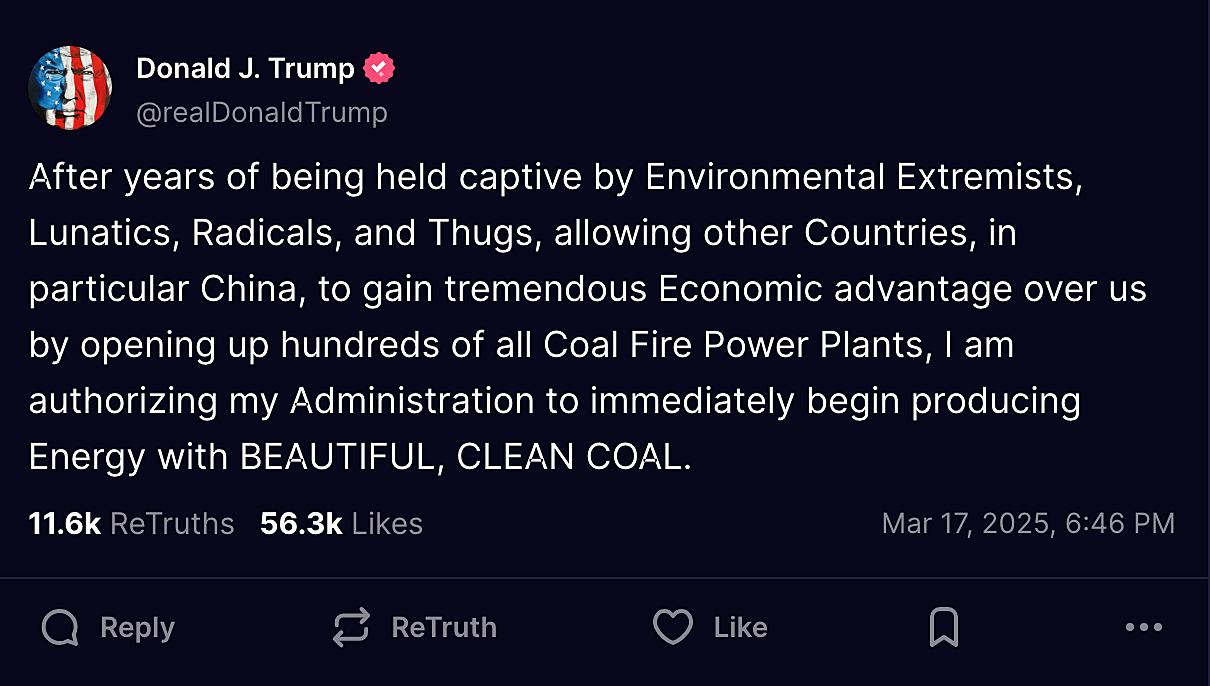
resident Donald Trump said on Monday that he was authorizing his administration to use coal-fired power plants for energy production to counter China’s economic advantage. In a Truth Social post, Trump stated that the nation’s coal industry had been “held captive by environmental extremists,” which he said had allowed countries such as China to gain an economic advantage over the United States by opening hundreds of coal-fired power plants.
The United States has moved away from coal-fired power plants as its primary source of electricity since their peak in the 2000s.
Trump stated that he would move to authorize his administration “to immediately begin producing energy with BEAUTIFUL, CLEAN COAL,” but did not provide further details.
The move would mark a major reversal in U.S. environmental policy, as the country has shifted away from coal, which was its primary fuel for electricity generation in the 2000s, toward lower-cost alternatives such as natural gas and renewable energy. As of 2023, coal made up about 15 percent of the power generated in the United States, a significant decline from 51 percent in 2000, according to the U.S. Energy Information Administration.
After taking office on Jan. 20, Trump signed an executive order directing federal agencies to review existing regulations that restricted the use of domestic energy resources—particularly coal, hydropower, and nuclear energy resources—and declared a national energy emergency to expedite the development of the nation’s energy infrastructure.
Trump stated in his order that “burdensome and ideologically motivated regulations have impeded the development of these resources, limited the generation of reliable and affordable electricity, reduced job creation, and inflicted high energy costs upon our citizens.” To fulfill Trump’s objectives, Environmental Protection Administration (EPA) administrator Lee Zeldin said on March 12 that the agency would take steps to roll back several environmental regulations in what he called the “largest deregulatory announcement in U.S. history.”
The EPA outlined its planned regulatory rollbacks in a series of statements, targeting rules or suites of rules initially authored by the agency and published during the administrations of Presidents Barack Obama and Joe Biden, which it considers to be the origin of “trillions in regulatory costs.”
The EPA stated that it would reconsider the previous administration’s rules on power plant emissions, commonly referred to as the “Clean Power Plan 2.0.”
It stated that the Supreme Court had struck down a 2015 version of the Clean Power Plan. In that ruling, the court “barred EPA from misusing the Clean Air Act to manipulate Americans’ energy choices and shift the balance of the nation’s electrical fuel mix,” according to the EPA. “President Trump promised to kill the Clean Power Plan in his first term, and we continue to build on that progress now,” Zeldin said. “We are seeking to ensure that the agency follows the rule of law while providing all Americans with access to reliable and affordable energy.”
Earlier this month, Interior Secretary Doug Burgum suggested that the United States should restart its shuttered coal-fired power plants to meet surging electricity demand.
“I think as part of the national energy emergency which President Trump has declared we’ve got to keep every plant open,” Burgum said in an interview with Bloomberg. “And if there have been units at a coal plant that have been shut down, we need to bring those back on.”
Burgum also stated that the country should keep existing coal-fired power plants operational by easing environmental regulations imposed by previous administrations. China’s construction of coal-fired power plants reached its highest level in a decade last year, according to a report by the Finland-based Center for Research on Energy and Clean Air released on Feb. 13. The report states that China constructed 94.5 gigawatts of coal-fired power plants last year, the highest volume of new builds since 2015.✪

▶️ REVIVE NUCLEAR ENERGY IN AMERICA
REVIVE NUCLEAR ENERGY IN AMERICA

yyy
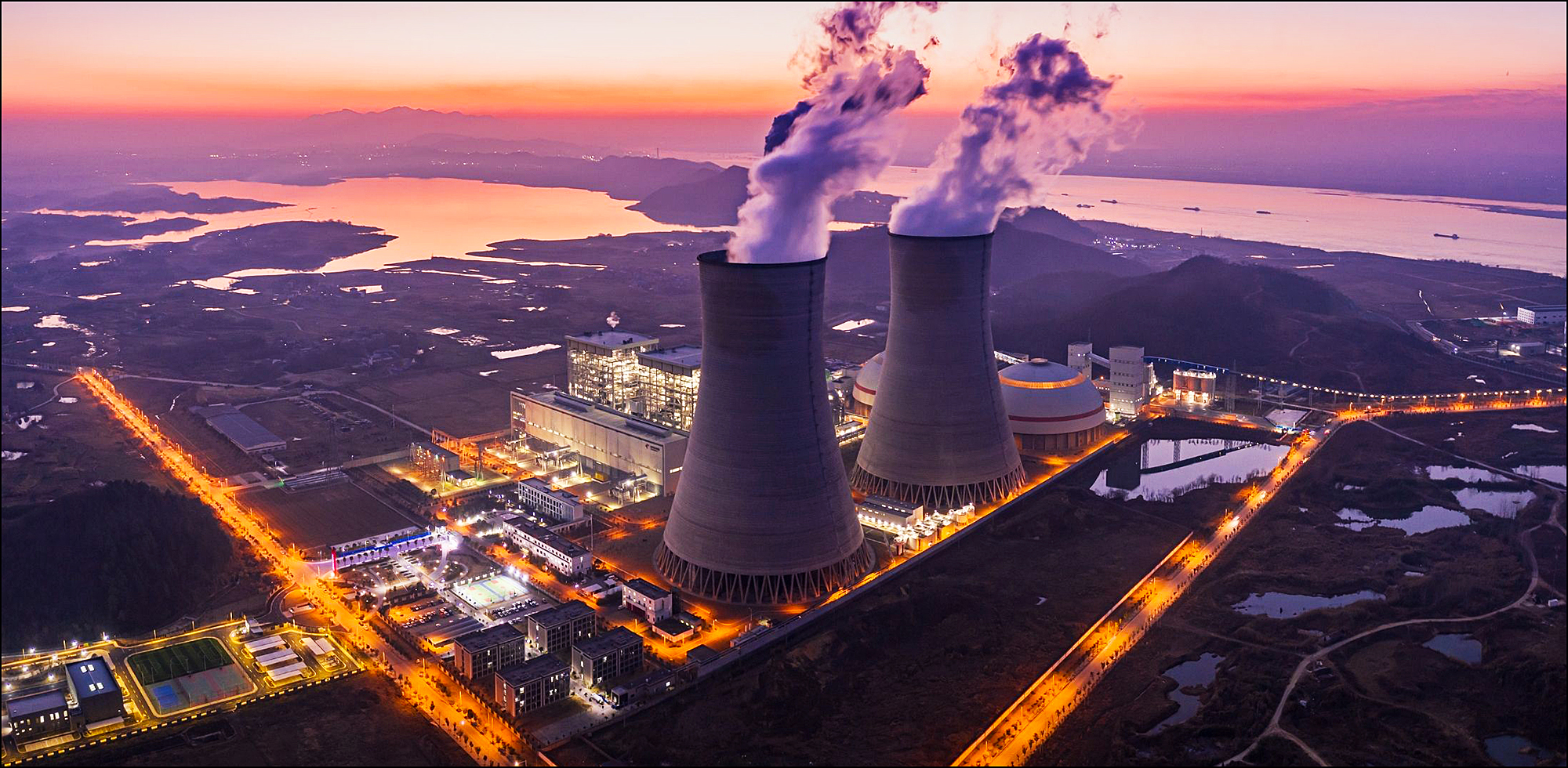
he United States used to be the undisputed leader in nuclear power and still has more operating reactors than any other nation, with 94 currently in service. But in the last 35 years, only one new nuclear power plant has been built in the U.S.—Plant Vogtle in Georgia, which only recently began commercial operations. Bureaucracy, environmental over-regulation, myths and politics have kept America lagging behind other nuclear energy global leaders.
Meanwhile, 25 nuclear reactors are under construction in China, seven in India, four each in Turkey, Egypt, and Russia, and two each in South Korea, Bangladesh, Japan, the UK, and Ukraine. The nations of Argentina, Brazil, France, Iran and Slovakia are all building at least one new plant at present.
When it comes to nuclear energy, the world is leaving the USA behind; and despite a recent return to sanity with the incoming Trump Administration, conventional wisdom in the US is that nuclear power is too expensive and too dangerous. Both are incorrect.
In California, where the anti-nuclear insanity retains a firm grip on energy policy, one might think nuclear power would nonetheless be getting serious consideration. After all, nuclear energy doesn’t generate greenhouse gases, which is the official explanation for every imaginable mishap in the Golden State, from wildfires to alleged gender inequality. Is California serious about reducing greenhouse gas emissions? If so, then maybe if the myths of high costs and excessive risk could be debunked, California could easily embrace nuclear energy. It isn’t as if there isn’t precedent.
California was once home to six nuclear power plants, generating a total of 5.8 gigawatts. Three of them, Humboldt Bay, Vallecitos and Santa Susana, were small-scale, generating barely 100 megawatts in total. But San Onofre, with three reactors that could have been retrofitted, took its 2.6 gigawatts offline in 2012. The other big plant was Rancho Seco in the Sacramento Valley which generated 913 megawatts until it was taken offline in 1989. Now, instead of building more nuclear power plants, California’s last operating reactors at Diablo Canyon are scheduled for shutdown. In the face of hyperbolic opposition, PG&E has applied to renew its license for another 20 years. This final surviving nuclear power plant generates 2 gigawatts of baseload electricity. California’s grid has the capacity to absorb at least ten times this much continuous, nonstop power.
Total electricity demand in California never drops below around 20 gigawatts, even during the middle of the night when total electricity consumption is at its minimum. So constant nuclear power generation at a minimum could be used up to 20 gigawatts. And even if California overbuilds its baseload electricity generating capacity, the excess production can be used to power desalination, generate hydrogen, or export to other states.
Proponents of renewables claim nuclear power is inherently more costly than renewables. This is inaccurate. In an article published by Ars Technica in 2020, science editor John Timmer explains the role that litigation and bureaucratic obstacles play in elevating the cost of nuclear power, estimating these costs account for one-third of the overruns.
The other source of increased costs? “The largest increases were indirect costs: engineering, purchasing, planning, scheduling, supervision, and other factors not directly associated with the process of building the plant,” and “about a quarter of the unproductive labor time came because the workers were waiting for either tools or materials to become available. In a lot of other cases, construction procedures were changed in the middle of the build, leading to confusion and delays. All told, problems that reduced the construction efficiency contributed nearly 70 percent to the increased costs.” And finally, “R&D-related expenses, which included both regulatory changes and things like the identification of better materials or designs, accounted for the other third of the increase.”
Another fallacy underlying the misconception that nuclear energy is more expensive than emerging renewable technologies is based on how energy costs are calculated. A peer-reviewed paper from Robert Idel at Rice University published in 2022 discusses the difference between the traditional levelized cost of electricity analysis and the more recently introduced, and more accurate levelized full system cost of electricity. The study identified the lowest full system cost for renewables in the U.S., the blend of wind and solar on the Texas grid. By mixing input from both of these intermittent sources of electricity, the required storage capacity is minimized since solar and wind produce power at different times of day.
Even in this case, when accounting for the cost of storage and new transmission lines, nuclear power was found to be half as expensive as these renewables. No accurate evaluation of energy costs can fail to take into account full system costs, which are inherently greater when, for example, you must install a high-voltage transmission line to connect a ten-megawatt wind turbine, floating in 4,000 feet of ocean, 20 miles offshore, to land-based battery farms and the grid.
Robert Zubrin, a nuclear engineer and author of the book “The Case for Nukes,” wrote a three-part series on clean energy for Quillette with a focus on the nuclear option. The third installment provides an overview and makes specific recommendations in the areas of regulatory reform, the licensing process, waste disposal, and progress and priorities in research and development. In terms of advancing the technology, he writes:
“Breeder reactors could multiply our nuclear fuel resources a hundredfold. Small modular reactors could open up new markets unsuited to large pressurized water reactors and potentially make reactors much cheaper by enabling mass production in factories. High-temperature gas-cooled reactors and molten salt thorium reactors both hold great promise. New types of fission reactors for space applications are needed. The promise of thermonuclear fusion needs to be explored and developed.”
Can nuclear power ever be considered completely safe? An article from 2019 offers a useful summary of how France has managed nuclear power, which provides over 70 percent of that nation’s electricity. In particular, it is worth noting the success the French have had in recycling spent fuel, which enables a more efficient and secure supply of fuel and reduces radioactive waste.
Every form of power generation carries with it an assortment of safety risks and environmental impacts. To belabor the question—because it is appallingly obvious a fraud of historic proportions is sleepwalking to fruition—why are environmentalists obsessed with eliminating oil, gas, and nuclear power, while ignoring the aquatic and avian slaughter and squandered billions that are coming to California with offshore wind?
Since 1976, California has enforced a moratorium on the construction of new nuclear energy generators until there exists in the United States the capacity to reprocess spent fuel rods into new nuclear fuel as well as long-term storage. However, the conditions of the 1976 Warren Alquist moratorium have now been satisfied. There are now fuel reprocessing technologies ready to be deployed in Ohio and elsewhere. The spent fuel is valuable and can be reprocessed into into HALEU fuel quickly for advanced reactors across the U.S. This could allow for the immediate planning of new nuclear energy resources in California.
California once had electricity transmission and distribution plans that called for the state to be mostly powered by nuclear reactors. There were over a dozen sites identified, including Corral Canyon (Malibu), Bodega Head (Sonoma County), San Joaquin (Kern County), Stanislaus (Stanislaus County), Davenport Beach (Santa Cruz County), Sundesert (Riverside County), Vidal (San Bernardino County), Point Arena (Mendocino County), as well as legacy sites like Humboldt Bay (Humboldt County), Rancho Seco (Sacramento County) and San Onofre (San Diego County).
Massive development of nuclear energy would offer California a chance to act on two of its currently most cherished political objectives—electrifying its economy and dramatically reducing greenhouse gas emissions. We probably shouldn’t hold our breath.
But for the rest of the United States, bringing back nuclear energy would go a long way toward ensuring abundant and affordable electricity for everyone. ✪
▶️ THE BIDEN ADMINISTRATION BURIED NG STUDY
THE BIDEN ADMINISTRATION BURIED NG STUDY
mmm
he Biden Administration buried for more than a year a final draft report that failed to prove that an increase in U.S. liquefied natural gas (LNG) export terminals was linked to a meaningful impact on greenhouse gas emissions, according to a copy of the findings.
The Biden Administration purposely delayed the release of the information, according to senior Trump Administration officials to prevent sharing the data with House Oversight Committee Republicans. The Daily Caller News Foundation first reported the Biden Administration “intentionally buried” the study.
The impact that new U.S. LNG exports had on the environment and the economy had been reviewed by U.S. Energy Department scientists and federal contractors, who by September 2023 had completed their work and had a draft final report ready for publication.
The study was entitled, “Energy, Economic, and Environmental Assessment of U.S. LNG Exports.” That report and its findings were originally scheduled for publication in 2023 — months before then-President Joe Biden, who was still seeking re-election at the time, would announce a pause on all new U.S. LNG export terminals in January 2024, citing the need to better consider environmental and economic impacts.
According to Trump Administration officials, the draft report found that across all modeled scenarios, an increase in U.S. LNG exports and natural gas production did not change global or U.S. greenhouse gas emissions, nor did it correlate with a strong uptick in energy prices for consumers.
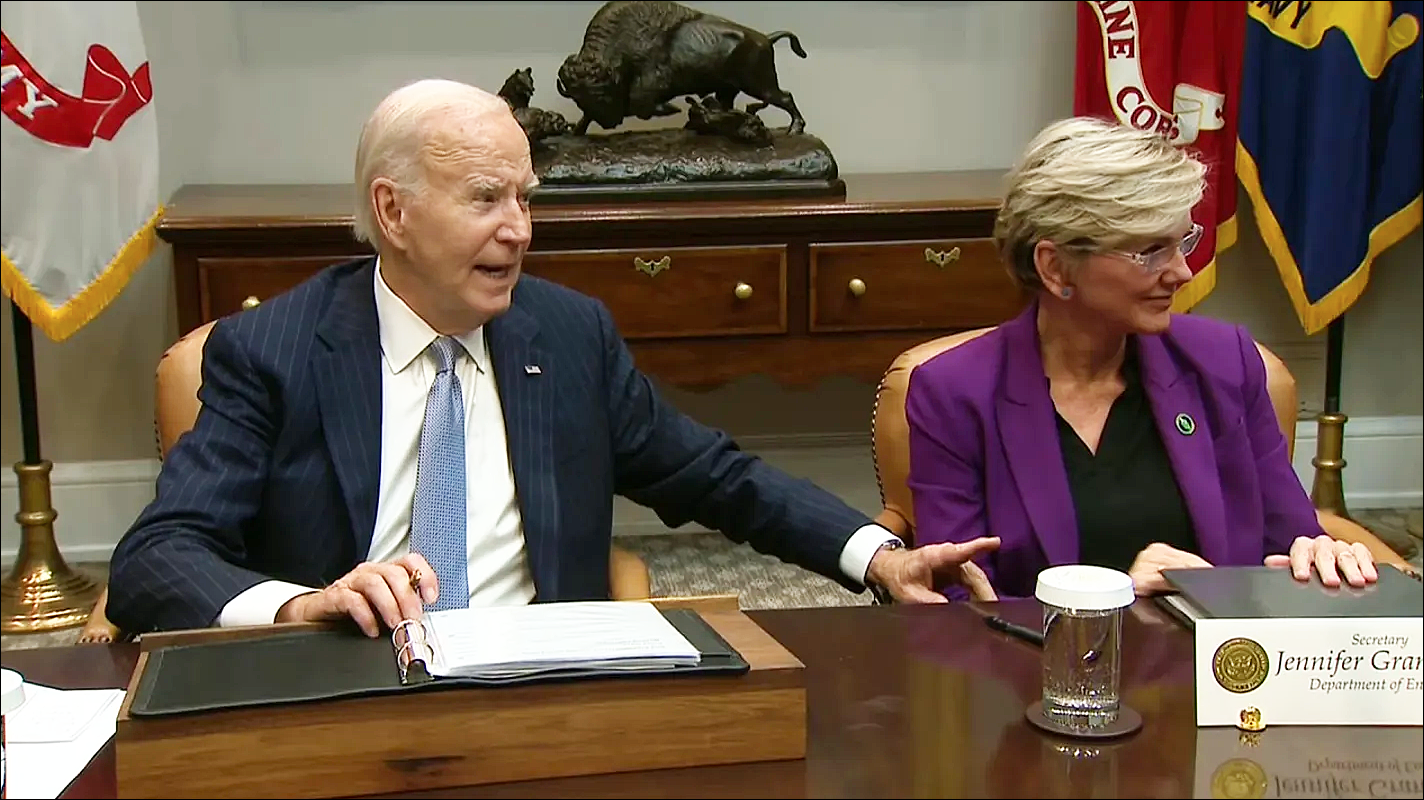
“Secretary Granholm, and Biden White House told Americans that the increase in LNG exports would disproportionately increase prices for American consumers as well as from the environment. And both these claims were refuted in the report that the Biden Administration hid from Congress and the American public.”
A copy of the report was finally shared Wednesday morning with the House Oversight Committee, which had been requesting the Energy Department to share its findings on LNG since March 2024.
A September 2024 court filing from Government Accountability and Oversight (GAO) revealed that the Energy Department was conducting an LNG study in 2023, but DOE repeatedly declined to provide this study to the House Oversight Committee or comply with other requests for information.
House Committee on Oversight and Government Reform Chairman James Comer, R-Ky. told Fox News in response to the report’s release:
“Biden Administration officials, who religiously claimed to ‘follow the science,’ abandoned it to undermine American-made energy production, appease climate activists, and achieve their predetermined outcomes. I am grateful to President Trump and Secretary Wright for providing the transparency the American people deserve and for taking action to restore America’s energy dominance.”
The 2023 findings provide the most definitive and compelling data to date that the Biden Administration along with then-Energy Secretary Jennifer Granholm, misrepresented the impact LNG exports would have on the U.S.
At the time, Biden was facing mounting criticism from progressives in the party to scale back LNG exports, which during his term rose to an all-time high. The U.S. became the world’s largest energy exporter in 2023, underpinned by new demand in the EU, following Russia’s war in Ukraine, and its abrupt cutoff of nearly all piped gas supplies to the bloc.
According to data from the U.S. Energy Information Administration, to help alleviate the deep energy security concerns, the U.S. ramped up exports to Europe to a record-high, supplying more than 50% of their LNG.
That prompted fierce pushback from progressive Democrats, including Sen. Jeff Merkley, D-Ore., which put new pressure on the administration for the pause.
However, rather than come forward with the report, the Biden Administration continued to stall on releasing the study and declined to comply with requests from the House Oversight Committee to testify or share their findings, Trump Administration officials said.
That’s far less significant than the data eventually released by the Biden Administration in December 2024, after the presidential election, which suggested the rise in exports could cause consumer prices to rise by as much as 30% in the coming years.
That sparked fierce backlash from both industry groups and Republicans, who panned the study as exaggerated and failing to justify the administration’s 10-month pause.
Inquiries directed to a Biden Administration office spokesperson did not receive a response prior to time of publication. ✪



















▶️ DONATE VIA PAYPAL (DEBIT & CREDIT CARD)
ALL PayPal Transactions Are Encrypted For Card Holder Privacy & Security
▶️ DONATE VIA ZELLE (DIRECT BANK CASH TRANSFER)
ZELLE is the perfect online alternative to PayPal. It’s an incredibly simple, secure, easy, fast and FREE way to send or receive money to recipients directly from your online banking account without a middleman. Best of all, there’s NO fees.
ZELLE is a service provided by your bank and is already built in to your online banking account. You only need to activate it first before using. If you’ve already activated ZELLE in your online bank or credit union account, you can donate to The New Americanist by using our ZELLE address:
vip@thenewamericanist.com
To activate your ZELLE, follow these easy instructions (a simple two minute process):

▶️ DONATE VIA SNAIL MAIL









▶️ CLICK HERE TO VIEW
▶️ 1 Hour 5 Minutes 3 Seconds
▶️ 48 Minutes 25 Seconds
▶️ 20 Minutes 1 Second
▶️ 9 Minutes 37 Seconds
▶️ 6 Minutes 13 Seconds
▶️ 6 Minutes 42 Seconds
▶️ 6 Minutes 35 Seconds
▶️ 11 Minutes 17 Seconds
▶️ 10 Minutes 33 Seconds
▶️ 11 Minutes 13 Seconds
▶️ 8 Minutes 51 Seconds
▶️ 11 Minutes 43 Seconds
▶️ 14 Minutes 24 Seconds
▶️ 5 Minutes 53 Seconds
▶️ 5 Minutes 31 Seconds
▶️ 5 Minutes 52 Seconds
▶️ 15 Minutes 40 Seconds ⭐️ Deplorables Know Libs Suck
▶️ 32 Minutes 11 Seconds ⭐️ TokaiseBlessedPatriot
▶️ 4 Minutes 38 Seconds
▶️ 16 Minutes 55 Seconds ⭐️ The New Logical Show
A NEW video podcast produced by TNA’s very own bet125. Make certain you SUBSCRIBE & LIKE.
Let’s all support new Conservative Media. 😎
▶️ RSBN LIVESTREAM LINK: TRUMP & HEGSETH BRIEFING
⭐️ TokaiseBlessedPatriot
