



✪ According to climate change alarmists, the “neurological burden of climate change is becoming increasingly difficult to avoid…”
▶️ CLICK HERE TO READ

mmm
o writes Clayton Page Aldern, a former neuroscientist turned environmental journalist. Apparently, global warming is not only destroying the planet, it is also causing “the spread of brain disease,” contends Aldern, author of the 2024 book The Weight of Nature: How a Changing Climate Changes Our Brains. He argues:
“As rising temperatures and shifting weather patterns reshape ecosystems, they’re not just altering landscapes — they’re creating new opportunities for neurological ailments to flourish and spread.”
One way that climate change causes brain disease is through the “expansion of zoonotic diseases,” he asserts, because as climate change forces animal populations into new territories, “the potential for pathogen spillover grows.”
Climate change is also “awakening dormant dangers like the brain-eating amoeba Naegleria fowleri,” Aldern states, which can enter the brain through the nasal cavity and cause “devastating meningoencephalitis.”
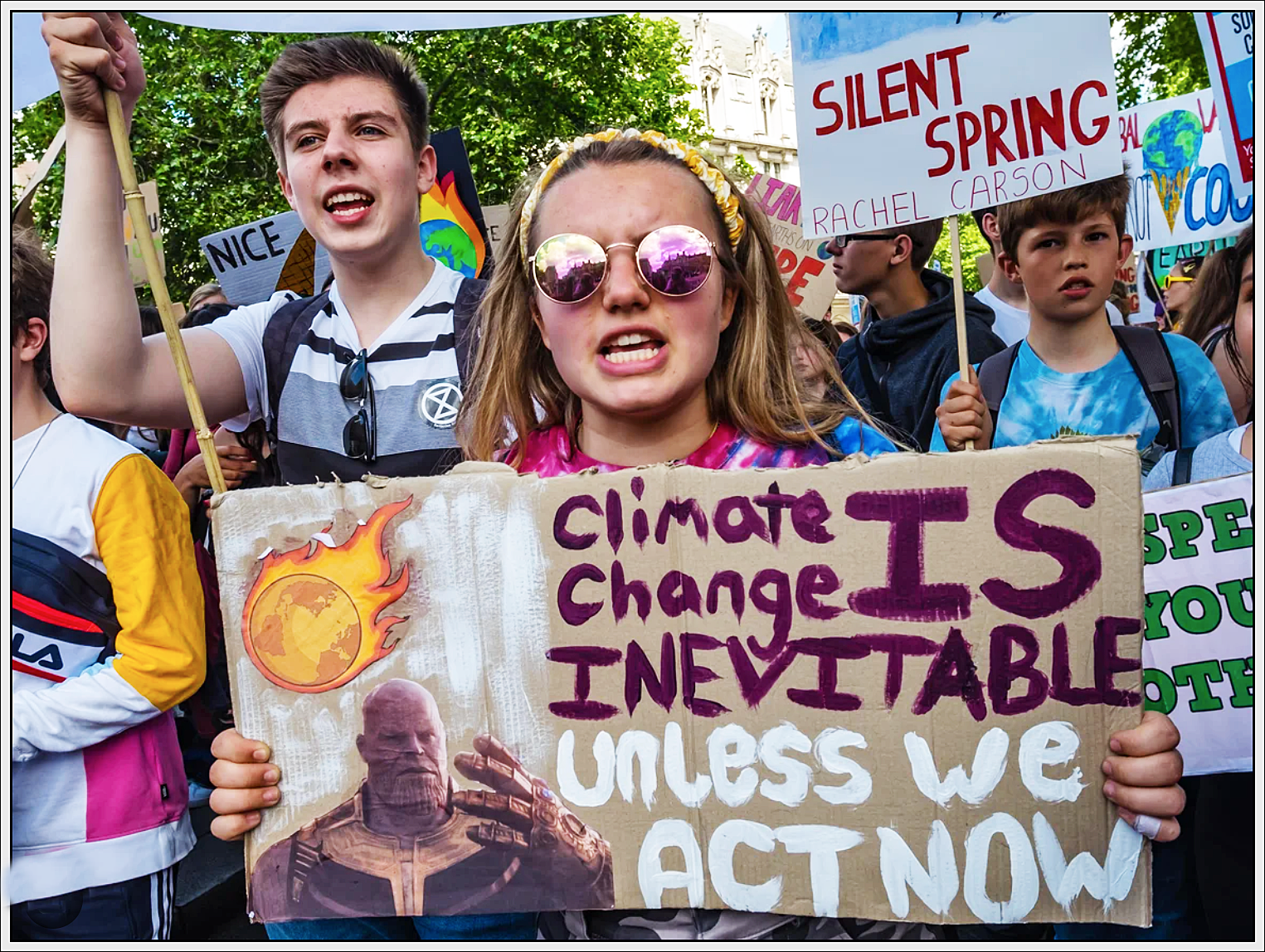
Along with these brain diseases is the well-known psychological phenomenon of “eco-anxiety,” especially among children, who buy into the gloom-and-doom climate rhetoric of alarmists.
▶️ 1 Minute 26 Seconds
“Eco-anxiety can be caused by the stressful and frightening experience of watching the slow and seemingly irrevocable impacts of climate change unfold, and worrying about the future for oneself, children and later generations,” the BBC said, citing a report published by environmental organizations.
Boston-based GBH News has warned of a “second pandemic” of eco-anxiety among young people, asserting that the “menacing shadow” of climate change and governments’ failure to take action to fix it “is taking a mental toll” on children.
Many observers “predict climate change’s effects will mirror the pandemic and the unfair toll it took on communities of color,” the article asserts.
Another article appearing in The Conversation reported that an entire generation of young people “are experiencing increased anxiety, grief, fear or guilt about the planet’s future as well as their own” due to exposure to “the grim realities of climate change.”
What is needed, the article argues, is to “encourage youth to fully accept the realities of our time — grim as they might be — as well as the anguish they feel over the many uncertainties and losses.”
“The existential distress caused by environmental change is an all-too-real phenomenon linked to heightened rates of anxiety, depression, and even suicide,” Aldern writes. “For these communities, the scars of climate change are not just physical but deeply psychological.” He continues:
“Eco-anxiety, the chronic fear of environmental doom, is on the rise, particularly among young people, it’s a generational trauma, a weight carried by those who will inherit a world in chaos.”
Ironically, the author seems not to notice that the primary cause of this anxiety is the very sort of scaremongering he indulges in.
Climate change activists have studied people’s emotional response to climate expressions and purposefully selected the terminology that elicits the strongest reaction.
In July 2018, the Berkeley City Council in California issued a resolution declaring a worldwide “climate emergency,” calling it “the greatest crisis in history” after evoking memories of World War II.
The following month, Salon magazine announced it is time to “start panicking” over climate change.
“It is time for us to panic about global warming,” wrote Salon contributor Matthew Rozsa. “Indeed, a proper state of panic is long overdue.”
In 2019, the Guardian newspaper released updates to its official in-house style guide intended to sharpen its climate change rhetoric in order to alarm readers and motivate them to action.
“Instead of ‘climate change’ the preferred terms are ‘climate emergency, crisis or breakdown’ and ‘global heating’ is favoured over ‘global warming,’” the Guardian stated.
“The phrase ‘climate change,’ for example, sounds rather passive and gentle when what scientists are talking about is a catastrophe for humanity,” said Katharine Viner, the Guardian’s editor-in-chief. She said:
“Increasingly, climate scientists and organizations from the UN to the Met Office are changing their terminology, and using stronger language to describe the situation we’re in…”
As activists attempt to scare people into becoming eco-warriors, it is no surprise that children are suffering psychologically as a result, since they do not possess the critical thinking skills necessary to separate the facts from the hype.
When children hear that the world is ending or that human civilization has only ten years to exist, they tend to believe it.
According to psychotherapist Caroline Hickman of the Climate Psychology Alliance (CPA), parents should learn to use gentler language in talking to their children about global warming.
“What you don’t want is that child to collapse in a well of depression saying, ‘what’s the point in going to university,’ or ‘what’s the point of doing my exams,’ which I have heard children say,” Hickman stated.
The Climate Psychology Alliance said psychiatric drugs have been administered to some children complaining of eco-anxiety.
The American Psychological Association defines “eco-anxiety” as “a chronic fear of environmental doom” from climate change.✪
lll


























▶️ CLICK HERE TO VIEW


▶️ CLICK HERE TO VIEW
▶️ 1 Hour 36Minutes 4O Seconds
▶️ 1 Hour 12 Minutes 16 Seconds
▶️ 1 Hour 11 Minutes 27 Seconds
▶️ 38 Minutes 11 Seconds
▶️ 9 Minutes 31 Seconds
▶️ 29 Minutes 7 Seconds
▶️ 7 Minute 39 Seconds
▶️ 10 Minutes 5 Seconds
▶️ 11 Minutes 3 Seconds
▶️ 9 Minutes 45 Seconds
▶️ 44 Minutes 44 Seconds
▶️ 13 Minutes 52 Seconds
▶️ 30 Minutes 57 Seconds
▶️ 4 Minutes 38 Seconds ⭐️ wtd
▶️ RSBN LIVESTREAM LINK: Trump Remarks @ The Economic Club Of New York
⭐️ TokaiseBlessedPatriot
