Hi Folks…And Welcome Again To FLAT OUT!
Staying With The Teutonic Theme, It’s…
The Volkswagen Karmann Ghia 1955-1974
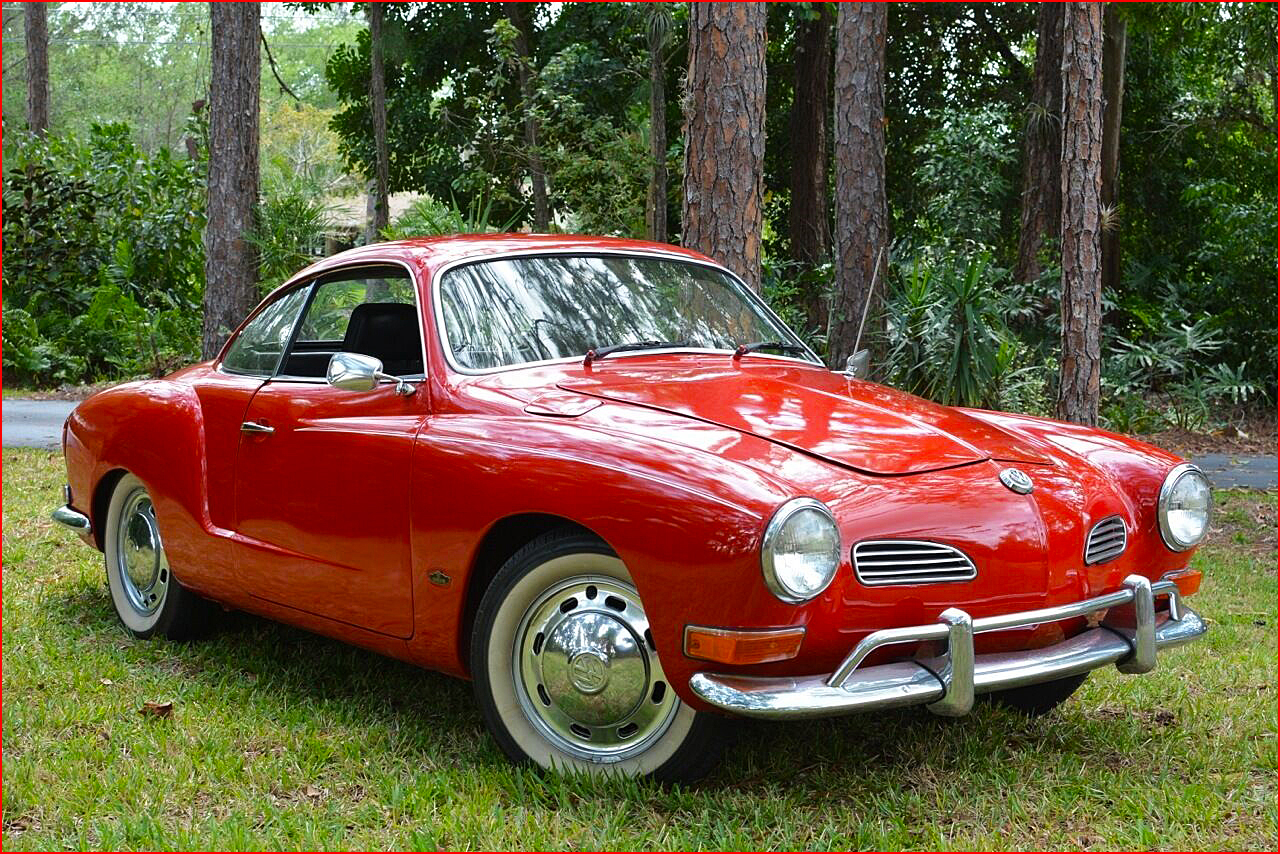
In the early 1950s, with postwar standards of living increasing, the Volkswagen Beetle was selling well in Germany and abroad. Volkswagen executives were receptive to building a halo model to increase sales and prestige of the brand and broaden the range beyond the Type 1 Beetle. Two other companies besides Volkswagen came together to produce the initial Type 14 Karmann Ghia; Italian automotive designer Luigi Segre was working to expand the international reputation of his employer, design house Carrozzeria Ghia, and he was well acquainted with German coach builder Wilhelm Karmann from various international auto shows. Karmann had taken over the family business and was eager to augment his contracts. After some initial discussions between the two, Segre purchased a Type 1 in Paris to use as a prototype and drove it back to the Ghia studio in Turin. Ghia customized the platform, widened the Beetle floorpan by 12 inches, designed the bodywork, and five months later presented the prototype sports coupe to Karmann, who loved the design and was more than willing to build it. The overall design was influenced by the Chrysler d’Elegance concept that Ghia had been tasked with prototyping, but in a scaled-down model with a gentle boat-like front end without the egg-crate grill of the Chrysler concept. Karmann presented the design to Volkswagen executives, who were pleased with the car and ordered production. The new Type 14 debuted at the 1953 Paris Auto Show as a styling concept by Ghia.
Type 14 1955-1974
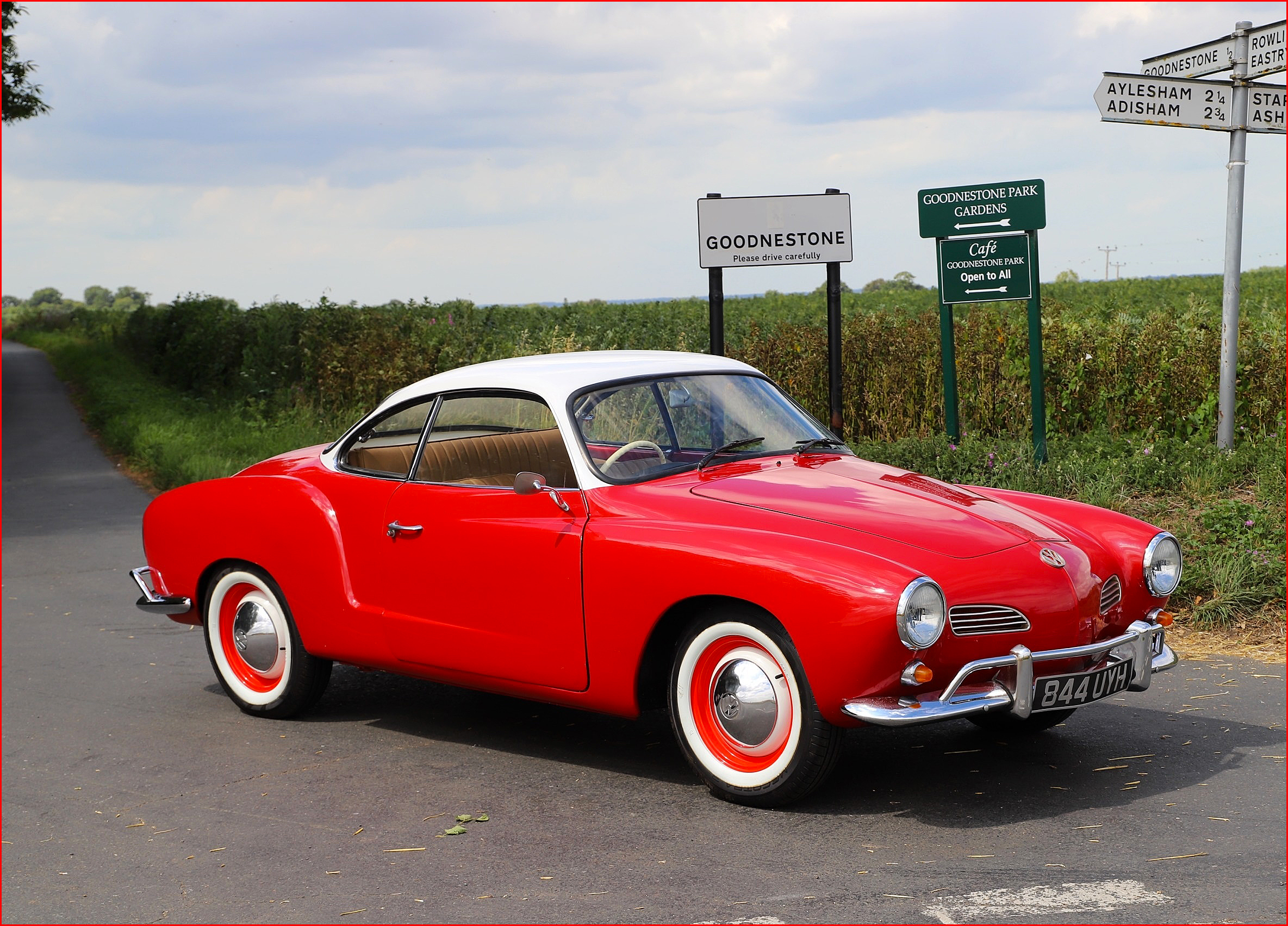
The first Type 14 was manufactured in Osnabrück, Germany with a slick Italian body design that looked nothing like the Type 1 Beetle. The higher price point over the Beetle was justified by the butt-welded and painstakingly hand-shaped and smoothed fenders akin to hand-built exotic cars like Ferrari as opposed to the machine-welded, bolt-on fenders of the Type 1. The Karmann Ghia, however, was priced far less than other hand-built cars, keeping it within reach of the average buyer without losing the high standard of German manufacturing. The initial model utilized the Beetle‘s 40 HP flat-four air-cooled 1200cc engine. With only 40 HP driving the rear wheels the original Type 14 was no racecar, but the light 1,830 lb. weight meant that it could manage 75 MPH and a 0-60 time of about 18 seconds. In fact, it was initially marketed as a stylish 2+2 sports coupe rather than a true sportscar to keep the focus on its sophisticated Italian styling rather than horsepower and speed. Even with limited initial horsepower the Type 14 was a hit, selling some 10,000 units in the first year and changing the way people looked at Volkswagen. As the years went on the Type 14 gained engine displacement and power, first with a 1300cc model with 50 HP and good for 80 MPH and about 3 seconds faster to 60 MPH, then a 1500cc mill with 53 HP, which gave the car another 3 MPH of top speed and shaved another second off of the 0-60 time.
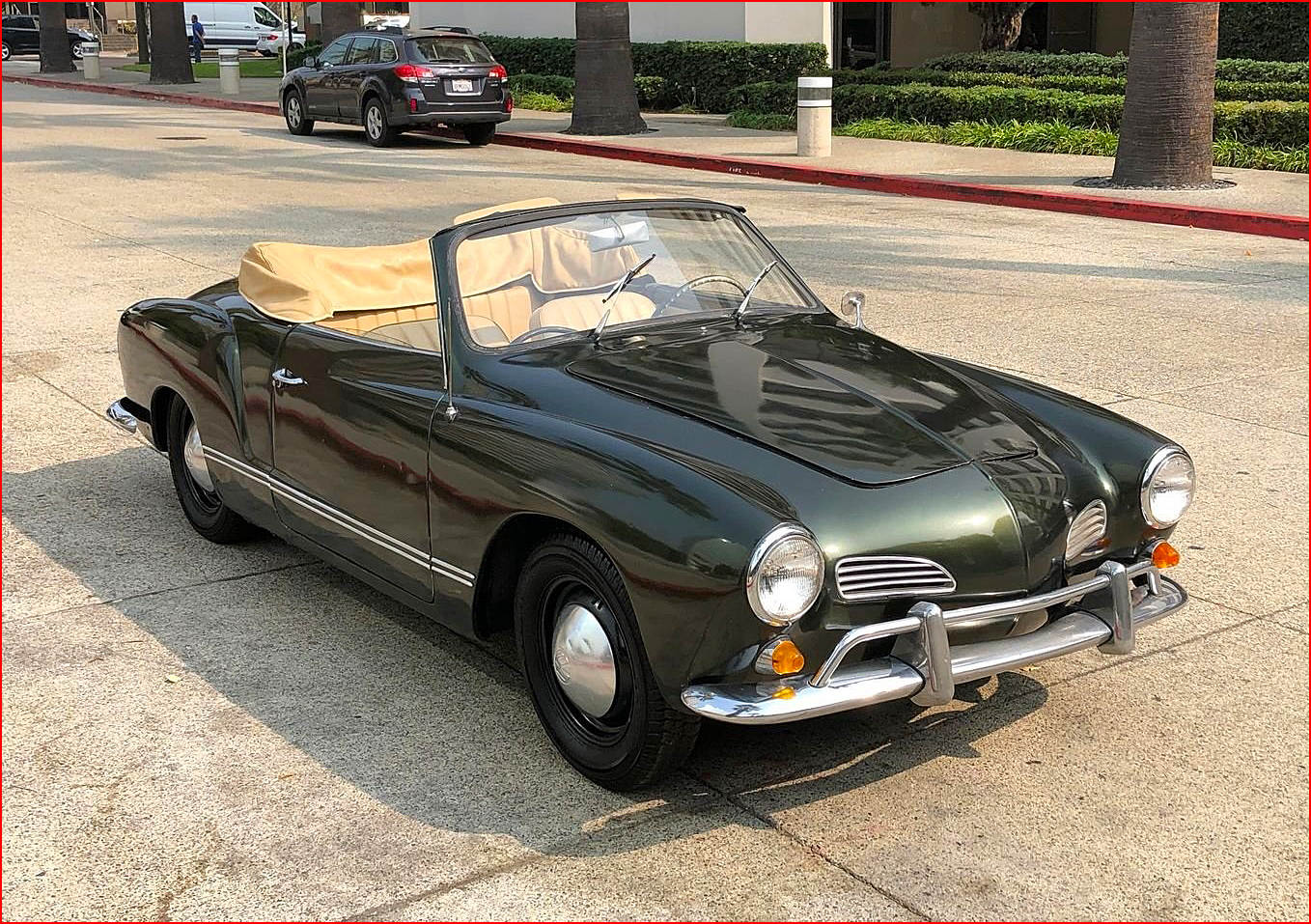
In August of 1957 Volkswagen introduced a convertible version of the Type 14, which bumped sales up to 18,000. In 1961 the convertible featured wider and finned front grills, more rounded taillights and the headlights were moved to a higher position.
The 1967 model gained notoriety by being the car that Maxwell Smart drove in the opening credits of the television show Get Smart, although the car that Smart actually drove in the episodes was the same Sunbeam Tiger that he drove in the previous two seasons.
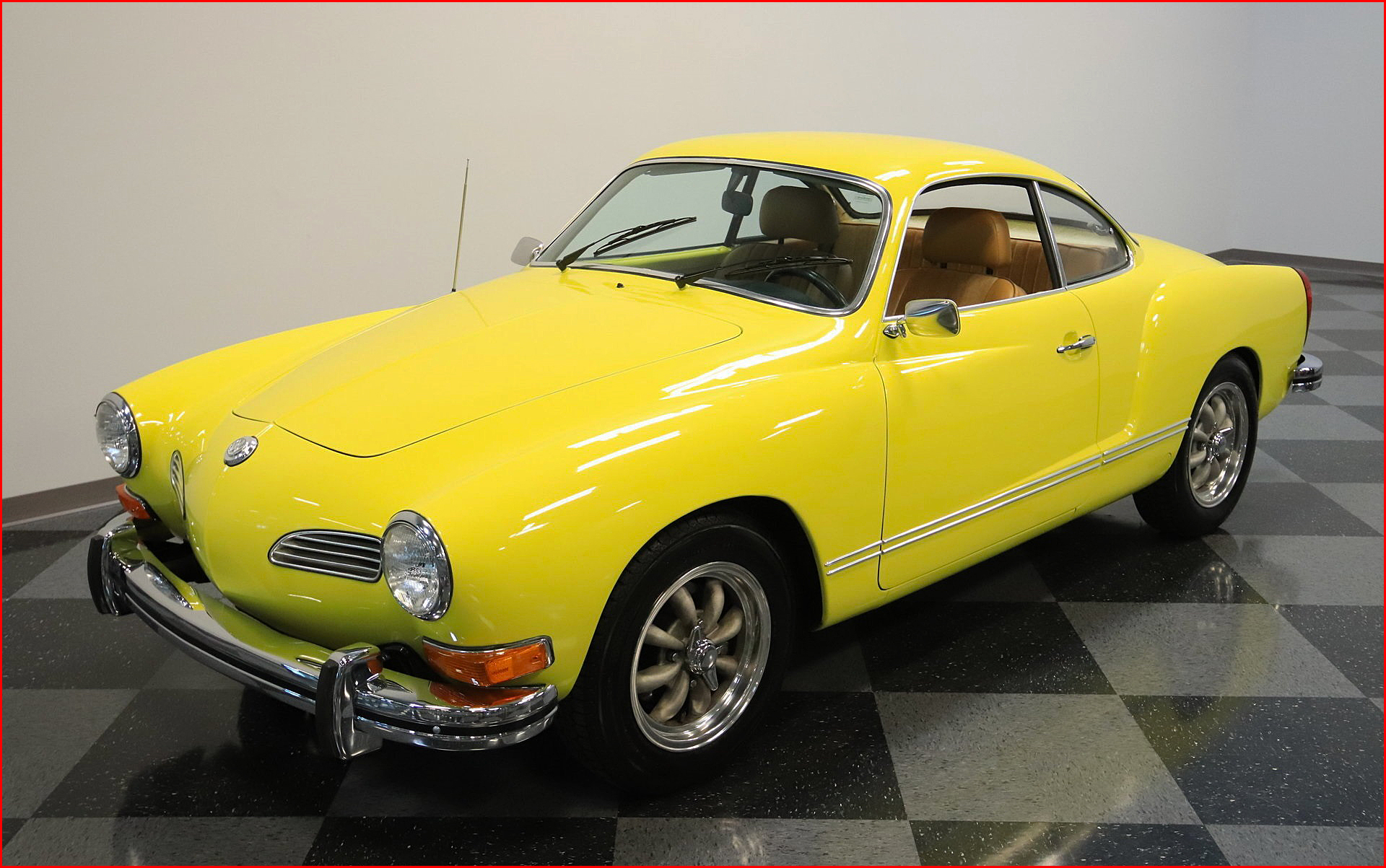
1970 saw larger taillights with integrated back-up lights and larger wrap-around turn signals. US models had energy-absorbing bumpers mandated by NHTSA, and a package shelf replaced the rear seat making it into a 2-seat sports car.
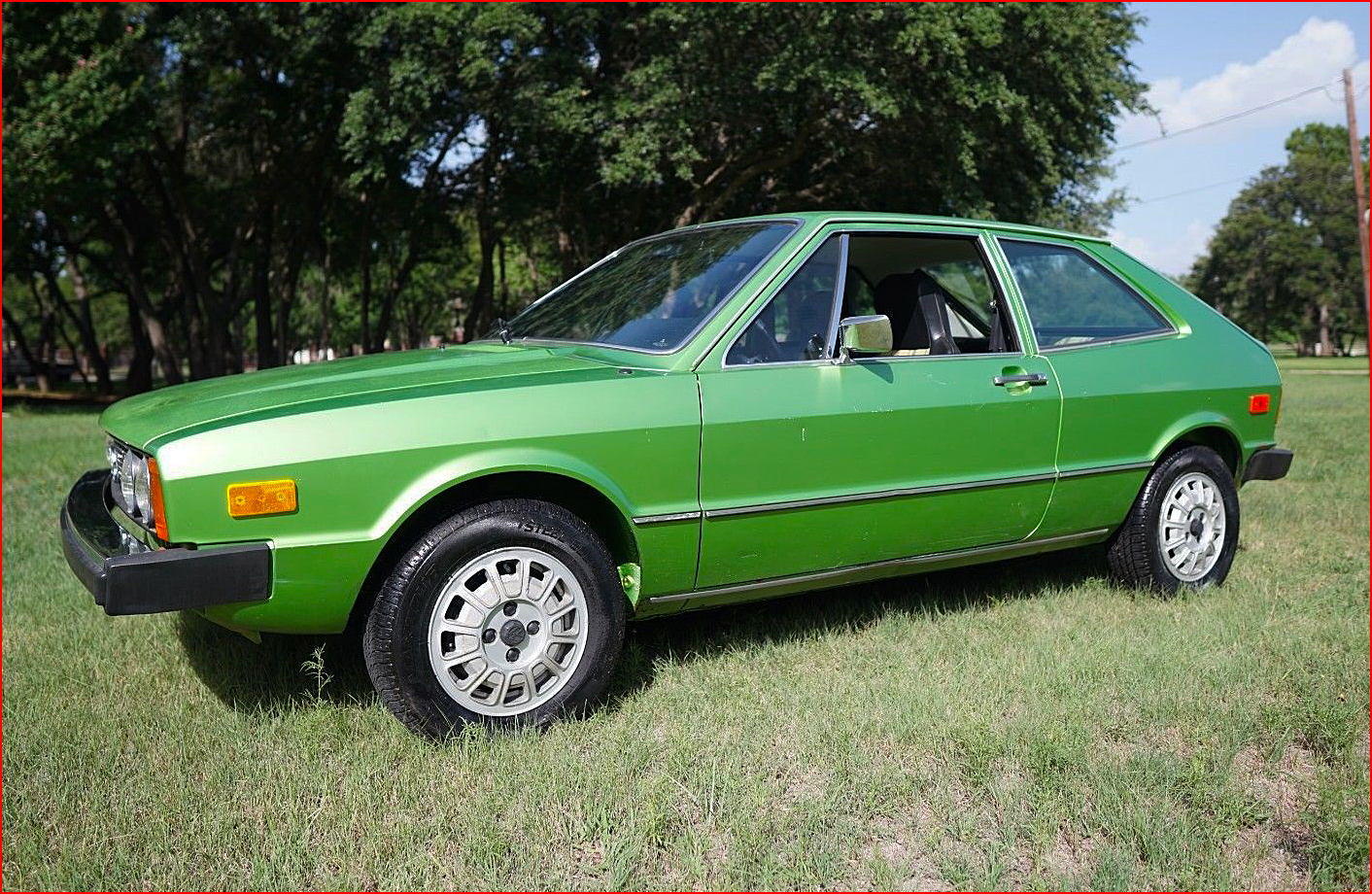
Volkswagen Scirocco
The Type 14 was getting a bit long in the tooth by 1974 and Volkswagen was moving away from the air-cooled rear engines that had served it so well and starting to produce more conventional front-engine, rear-wheel-drive cars like the Golf (US model called Rabbit until 1983) and Passat (US model called Dasher until 1990). The replacement for the Karmann Ghia was the Giugiario-penned Scirocco sports coupe based upon the Golf platform, but almost every part of the car was re-engineered as compared to the Golf. The name of the Scirocco did not change for the US market as had the other two.
Type 34 1961-1969
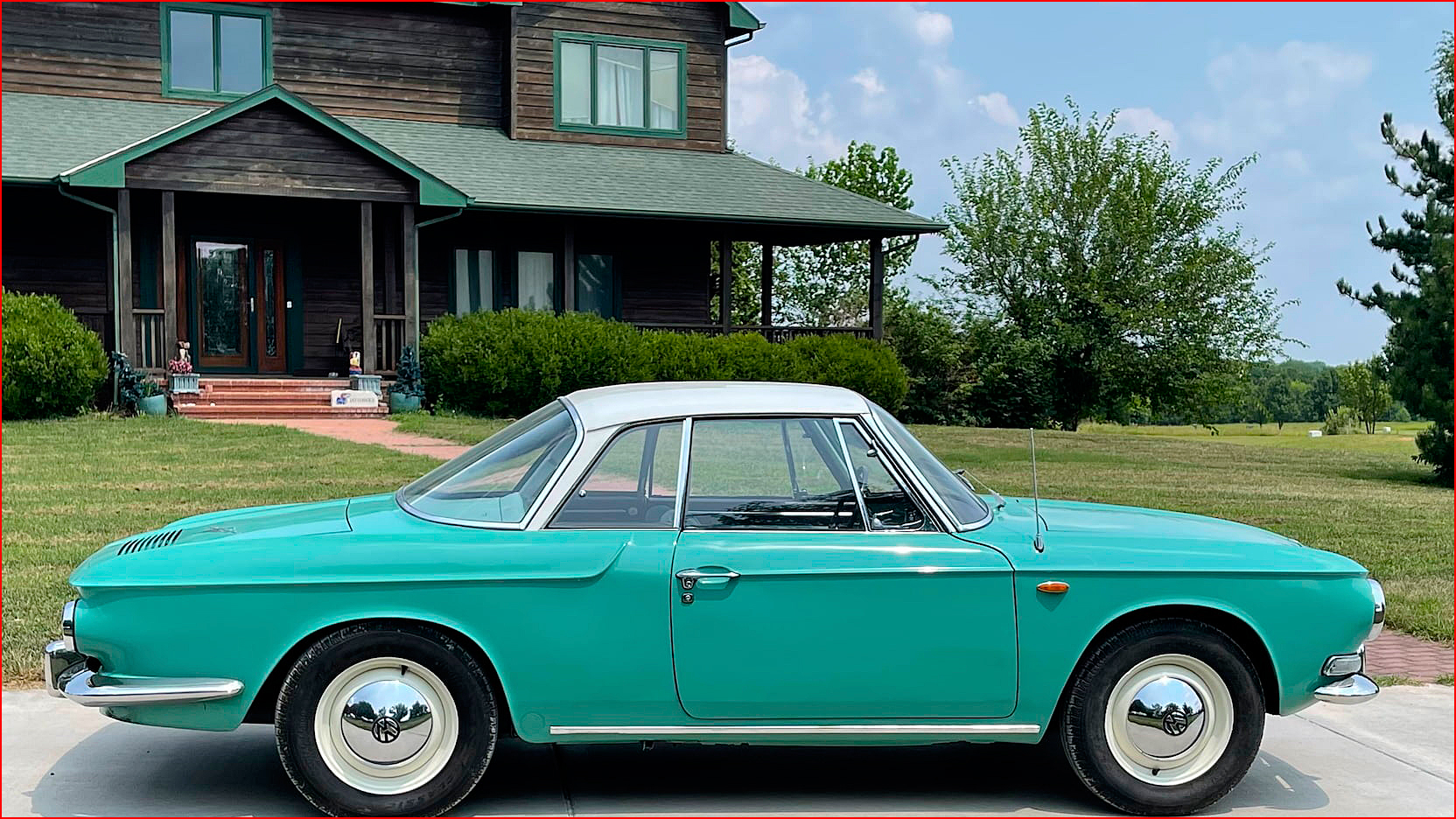
In 1961 Volkswagen introduced the Type 34 Karmann Ghia based upon an unmodified version of their new Type 3 station wagon/coupe platform and utilized the same 53 HP 1500cc “pancake” flat-four engine and drivetrain. All the bodywork, interior, glass, bumpers and most of the headlight and taillight lenses were unique to the Type 34 and not shared with the Type 14. It was an overall larger car but still with Italian styling by Ghia designer Sergio Sartorelli, who also managed the later design changes of the Type 14. In addition to more squared-off fenders and no grill the Type 34 integrated fog lights into the front-end design. It was known by various names around the world; “Der Große Karmann” (the Big Karmann) in Germany, the “Razor Edge Ghia” in the UK and the “European Ghia” or “Type 3 Ghia” in the US. Volkswagen marketed the Type 34 to a more upscale crowd, reflecting Germany’s increasing wealth in the post-war years, in hopes of breaking the blue-collar image of the “People’s Car.” It offered an electrically sliding steel sunroof starting in 1962, only the second car in the world with this option. It also offered more interior and cargo room than the Type 14 and featured upscale items like an electric clock, three luggage compartments, upper and lower dash pads and padded armrests. It was also the fastest production Volkswagen of its day at 82 MPH and the most expensive, twice as much as a Beetle in some markets. In 1967 the Type 34 engine got a bump in displacement to 1600cc and a HP bump to 66. 17 prototype convertibles were built, but Volkswagen never mass-produced a convertible Type 34 due to the high cost of production of the coupe.
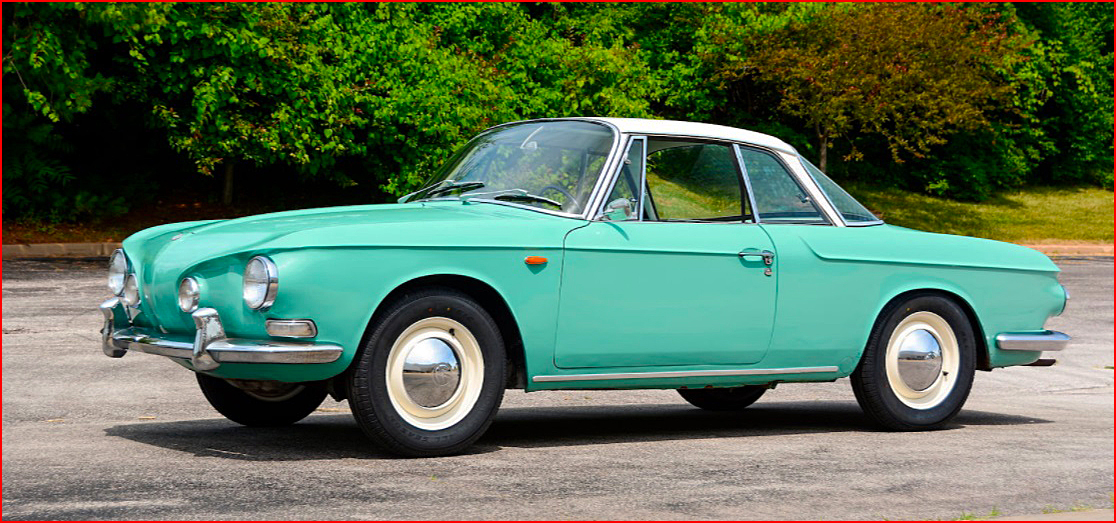
The Type 34 was curiously never officially exported to Volkswagen‘s largest and most important export market, the US…although many made it here via Canada. Despite not having official imports, the US still has the largest number of known Type 34s left in existence of any country, some 400 cars. With Volkswagen taking over Auto Union and their production facilities from Daimler-Benz in 1965, they were struggling to come to terms with new production lines that were in desperate need of upgrading. They had to cut costs, and the high-class but high-cost Type 34 was the unwitting victim and production ceased in 1969. 45,505 cars were made during its run, about ten percent of the 445,238 Type 14s produced in that car’s 19-year run. For comparison, at the height of production in the 1960s Volkswagen was churning out 4,200 Beetles every DAY.
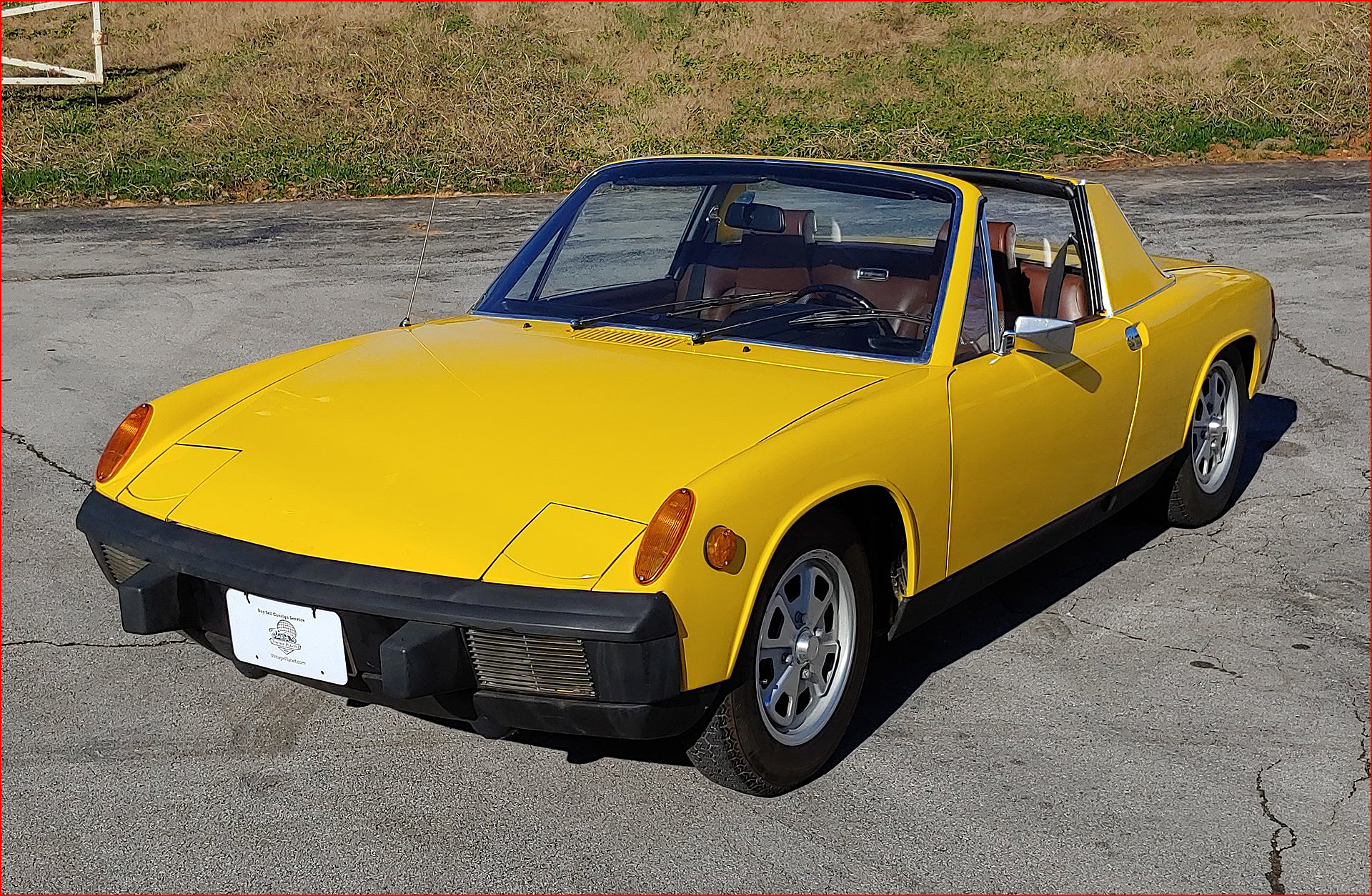
Porsche 914
The Type 34 was superseded by the “Volkswagen-Porsche” 914.
Karmann Ghia TC 1972-1975
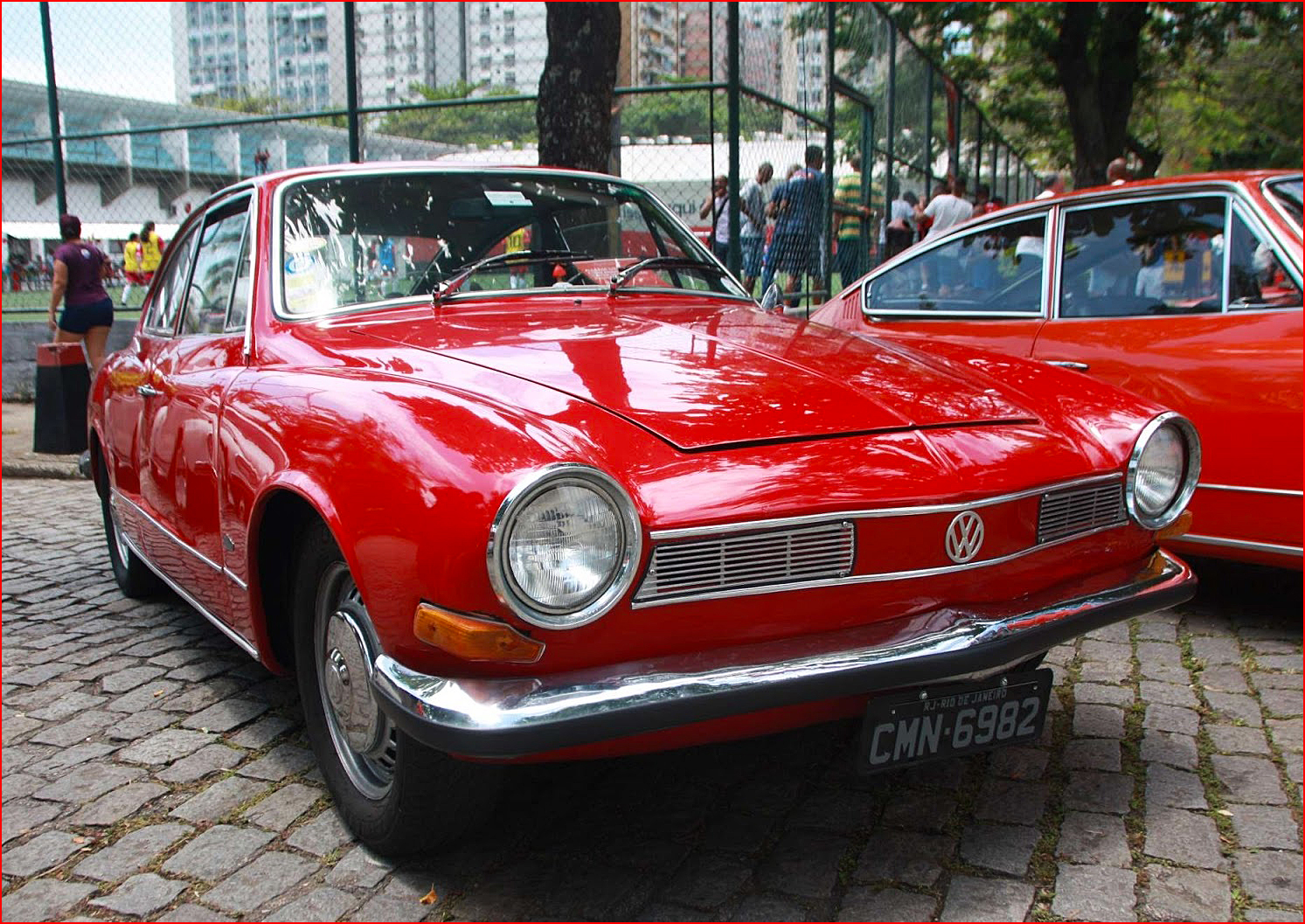
As an alternative to the Type 34, Volkswagen do Brasil sought a reworked Type 14 from Ghia at the end of the 1960s. Famed designer Giorgetto Giugaro was working for Ghia at the time and set to work creating the body for the new Brazilian Karmann Ghia. It blended the rounded, hand-built fender design of the Type 14 with the fastback design of the TL version of the Type 3 and bears a passing resemblance to the Porsche 911 from the rear.
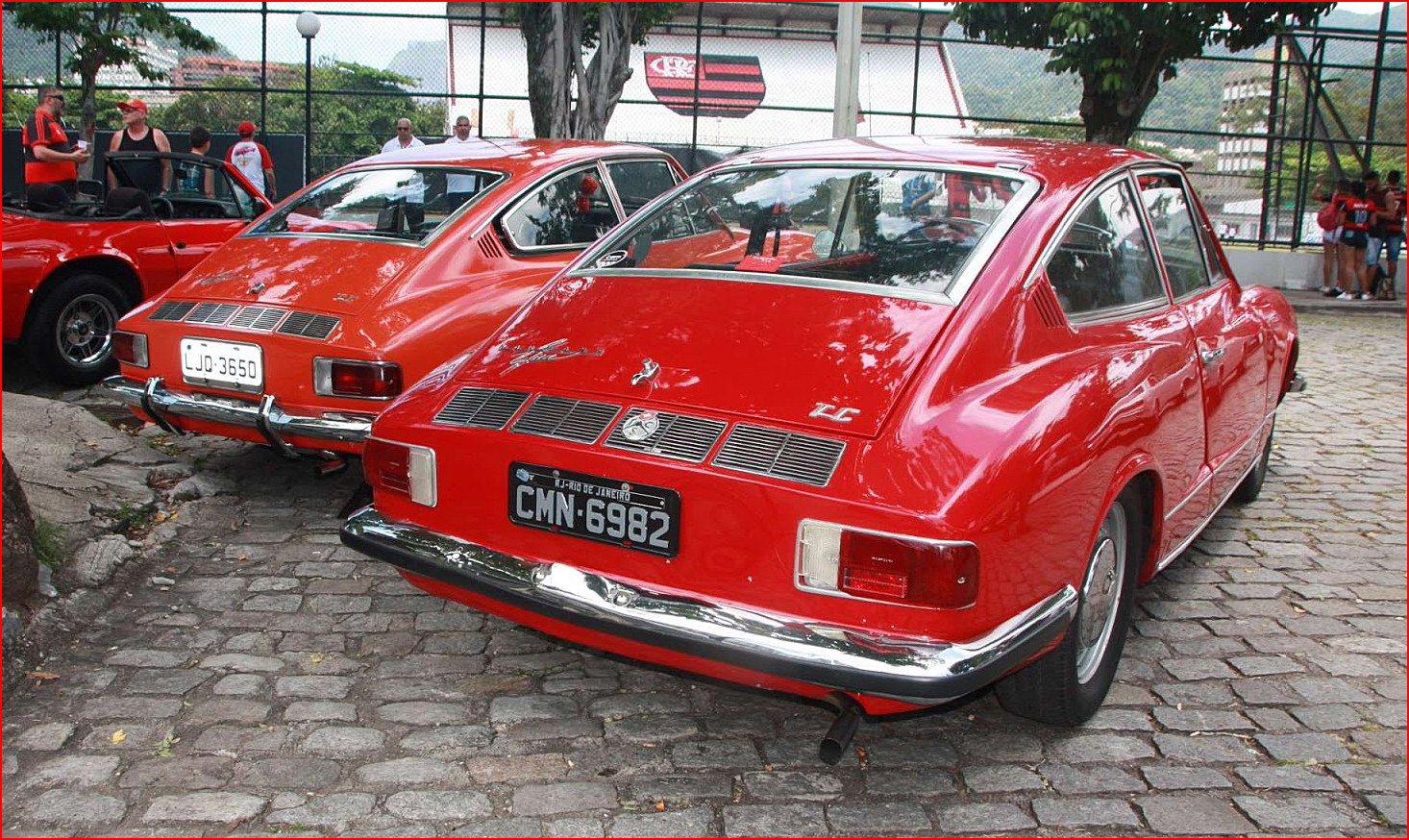
The Karmann Ghia Touring Coupe (TC), known internally as Type 145, went on sale in Brazil in 1972 and was not exported beyond South America. It was still based upon the Type 3 like the Type 34 and used its 65 HP 1600cc engine, good for an 86 MPH top speed. This was a roomy 2+2 coupe with a modern, comfortable interior. 23,402 models were produced.
The Karmann Ghia was ultimately the right car to lift Volkswagen up and away from its reputation as only a maker of cheap economy cars and take its place as a serious automaker. The hand-built quality of the Type 14 and Type 34 made other automakers and the public sit up and take notice, and upscale buyers were not afraid to be seen in what was ultimately a Volkswagen, albeit an Italian-designed and largely hand-built one. It wasn’t the fastest or best-handling car of its day, a Porsche 911 would run rings around it, but it was a huge step up for Volkswagen.
I never owned a Karmann Ghia, but I have driven a couple of Type 14s. I will say that they handle much better than the rather ungainly Beetle and are pretty great-looking cars to boot. I’d love to own one if I had the budget for such flights of fancy. It wouldn’t be at the top of my list, that would be a Jaguar E-Type convertible in British Racing Green, but it would certainly be a worthy contender. I did own a Dasher briefly in the early 1980s. The interior was far superior to the rather spartan Beetle and Type 14 interior, as I found out when I owned a Beetle later in the decade, and had decent pickup and handling for a small semi-economy car. I nearly bought a Scirroco at the end of the ’80s, but ultimately opted for the Datsun 280ZX instead, which was far superior as a sports car than the Scirroco I test-drove. ✪
Got a Great Car Story? Share it! Reminisce About Your Other Favorite Cars, Too!
Seeyas Again Next Time On FLAT OUT!