


Hi Folks…And Welcome Again To FLAT OUT!
2 1/4 Years Of FLAT OUT & I’ve Only Done One German Car & That Was A GM Brand. Well Achtung, Baby! It’s…
The BMW M1: 1978-1981
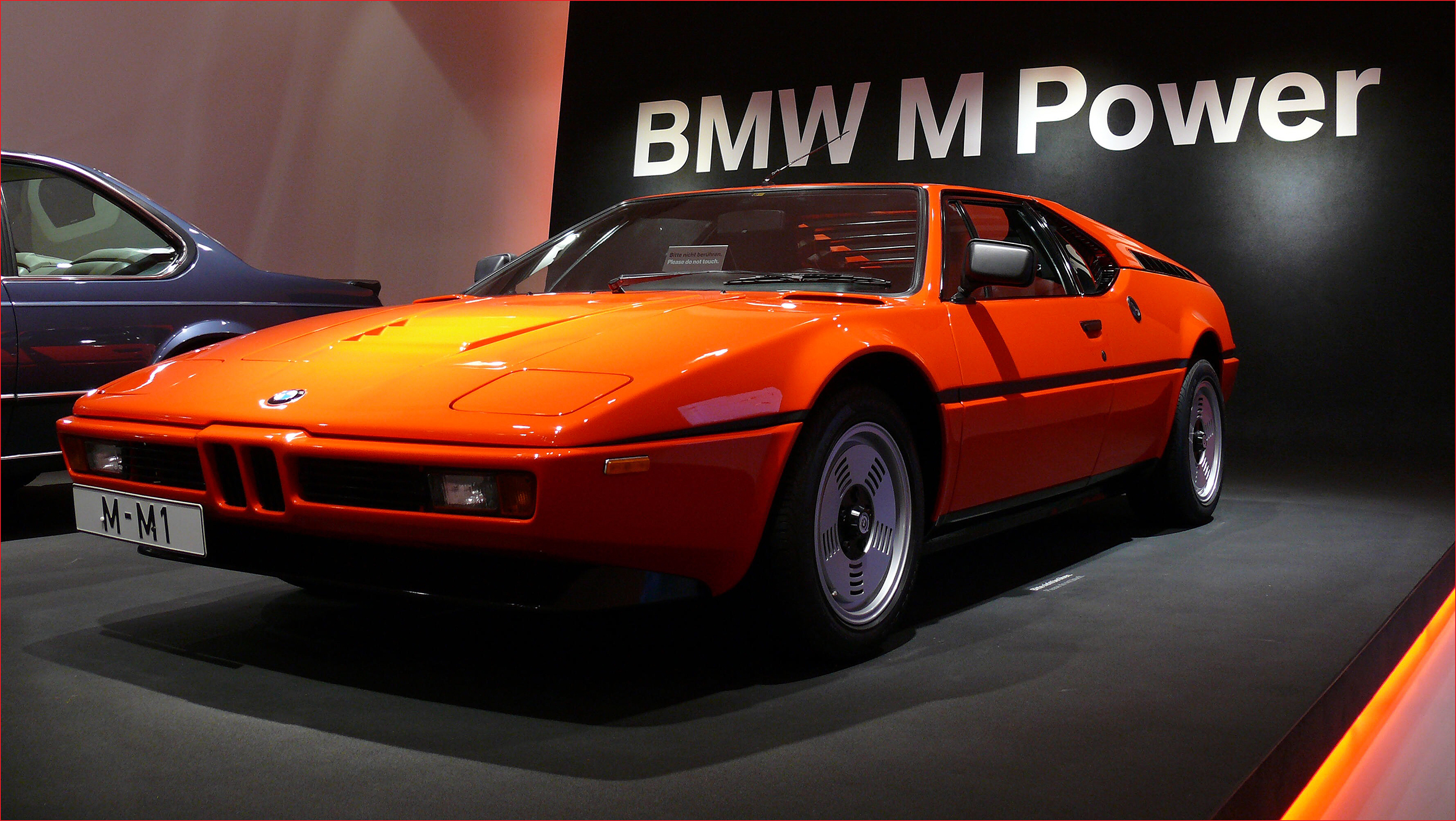
Here’s the story of the BMW supercar that almost wasn’t made.
The head of the then-new BMW Motorsports GmbH division Jochen Neerspasch had been wanting to build a car to compete in Group 5 racing and win against their arch-rival from Stuttgart, Porsche and their highly successful 911 racing variant, the 935. He specified a mid-engine car to out-class its competitors like the Mazda RX-7, Lancia Stratos Turbo and Ferrari 512 BB. As BMW were unable to initially produce the 400 examples required for racing homologation in time themselves, they partnered with Lamborghini for design and production and contracted Giorgetto Giugiaro of thefamed Bertone automotive design house in Italy to design the aerodynamic fiberglass body.
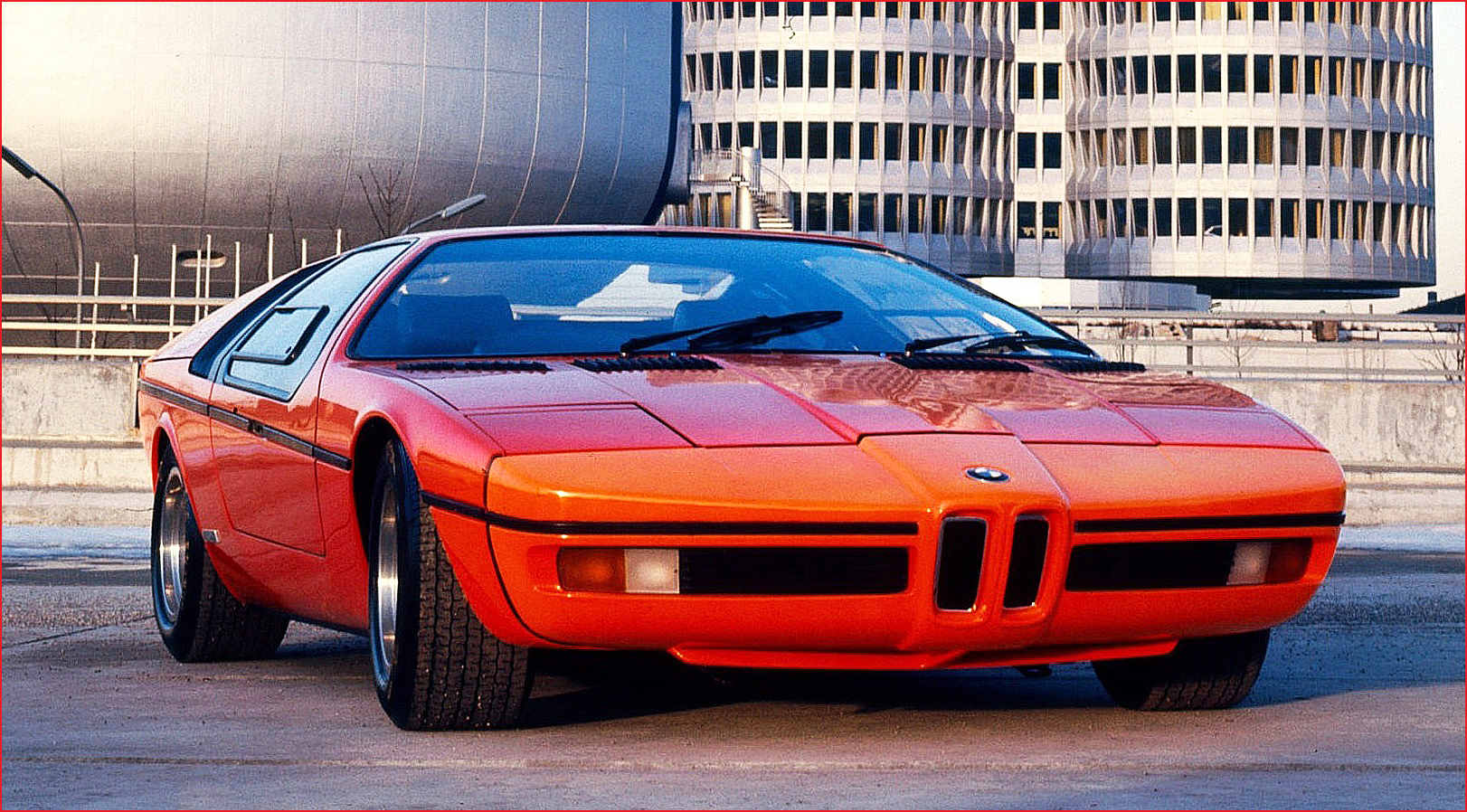
Giugiaro took much inspiration from the 1972 BMW Turbo concept car above. Lamborghini produced seven prototypes before their financial position became such that BMW was unsure of the company being able to keep their commitment. They were supposed to deliver 400 road-going units in 24 months, but failed to do so. In April of 1978 BMW took full control over the project and production began in early 1979. The delay and the FIA‘s rules changes to Group 5 meant that the car would be relegated to Group 4, where it competed not against the 935 but rather the Porsche 924 Carrera GT, Renault 5 Turbo, Audi Quattro and Alfa Romeo Alfetta Turbodelta. The M1 also competed at Le Mans from 1981-86 where it competed in Group B, proving to be a mildly competitive but non-winning car in that class despite its nearly 3,000 lb. bulk. It might have been more competitive had BMW‘s turbo efforts gone into the M88 engine rather than the turbo four-cylinder 320i for McLaren Racing. As produced it was overweight compared to other entrants. Car & Driver magazine wrote “The M1 was created to represent BMW in a then-new Manufacturer’s Championship based on cars with production silhouettes. Before the M1 could take the field, however, the pendulum of public opinion that had swung away from purebred prototype sports cars and towards production cars in the early seventies had swung back again. Silhouette cars were obsolete by 1980. The M1, built expressly to homologate the ultimate silhouette race car, suddenly became obsolete.”
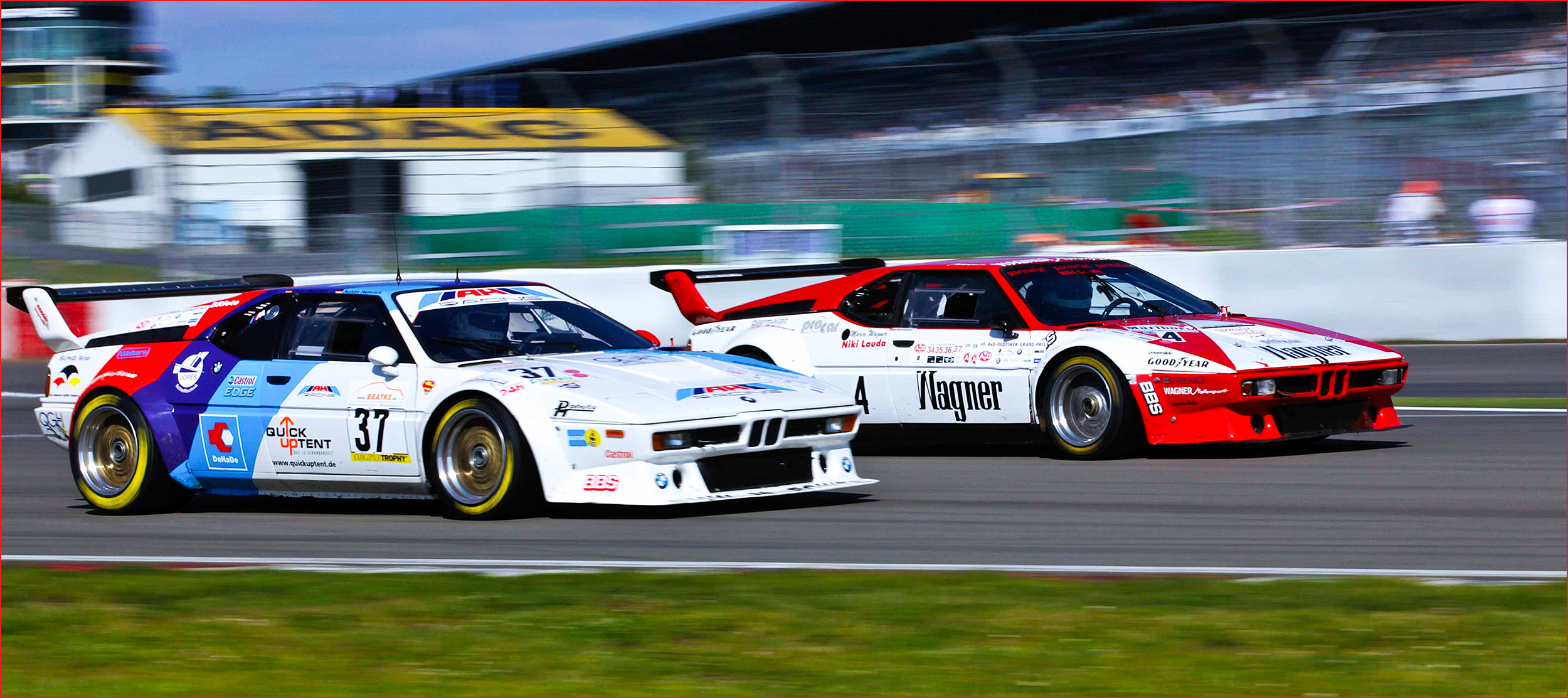
To salvage some prestige on the racetrack , Neerspach announced in July 1978 that BMW had sold their new ProCar BMW M1 Championship race series to the Formula One Constructor’s Association. The top five qualifiers in each Formula One race would drive equally prepared M1s against fifteen privateers. This similar idea to the IROC series in the United States was the perfect solution to present the M1 to the world for more exposure. BMW hoped that top Formula One drivers like Niki Lauda and Nelson Piquet would bring some high-profile attention to BMW‘s first race car under the Motorsport banner. Neerspach planned to use the funding from the series to build enough cars to enter Group 4 racing. Unfortunately ProCar was another failure for BMW as it ran only the 1979 and 1980 seasons before being sold to England’s BS Fabrications and BMW Motorsport‘s funding was slashed by 75%. In 1982 an M1 from the ProCar series competed on the French Group B Rally circuit. Interestingly enough, the dirt roads of Rally racing proved to be the M1‘s strength, winning back-to-back races in 1982 and a podium finish at another in 1984.
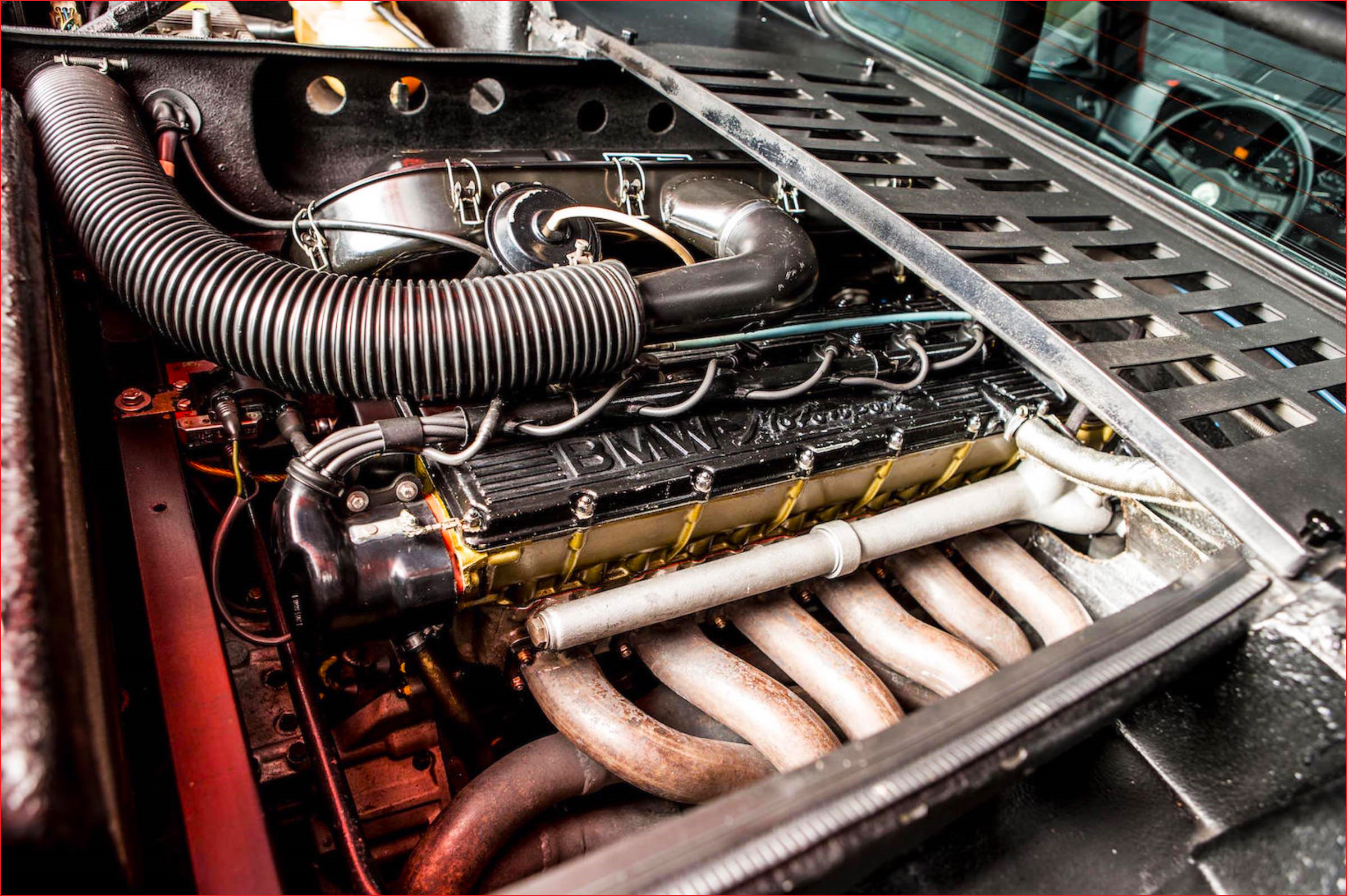
The production process was one of the most complex of all time. The tubular steel space frame chassis was designed by chassis designer Gianpaolo Dallara, who also designed racing chassis for the early Williams Formula One cars and several Indy cars as well as the Espada and Miura while working for Lamborghini. The chassis would be produced by Marchesi of Modena, Italy. The car was the first to be solely developed by BMW Motorsport and used a 3.5 liter M88/1 inline-six cylinder engine with a Kugelfischer-Bosch mechanical fuel injection system, an evolution of the inline-six cylinder engine in their superb 3.5 CSL racing coupe. The engine had six separate throttle bodies, twin cams and four valves per cylinder, produced 266 HP and 243 ft. lb. of torque and propelled the Teutonic wundercar to 60 MPH in 5.4 seconds and a top speed of 162 MPH. The cars intended for racing were not de-tuned for street use and had the full 470 HP that the M88 was designed for. Save for tuning, calibrations, six velocity stacks and open headers the engines were the same as the racing version. Race-tuned sounds from that engine behind your head, even muted compared to the full-throated song of the unleashed competition version, were welcome music from an enthusiast car such as the M1. The engine mated to a ZF 5-speed manual transmission and a 40% locking limited-slip differential. This engine was later used in the production E24 model 635CSi M (M6 in North America) E28 model M5 and a South African version of the E23 model 745i. The car had a double-wishbone suspension system with unequal-length control arms, adjustable coil springs, Bilstein gas-filled dampers and anti-sway bars front and rear. Softer suspension bushings gave the road cars better ride quality. Steel ventilated brake discs measured 11.8 inches in front and 11.7 inches at the rear, and Pirelli P7 tires covered the Campagnolo alloy wheels. It also used an unassisted rack-and-pinion steering that was light and direct, communicating what the front tires were doing at all times, but was also unaffected by speed…famously in contrast to it’s German competitor the Porsche 911 and variants like the 930 Turbo.
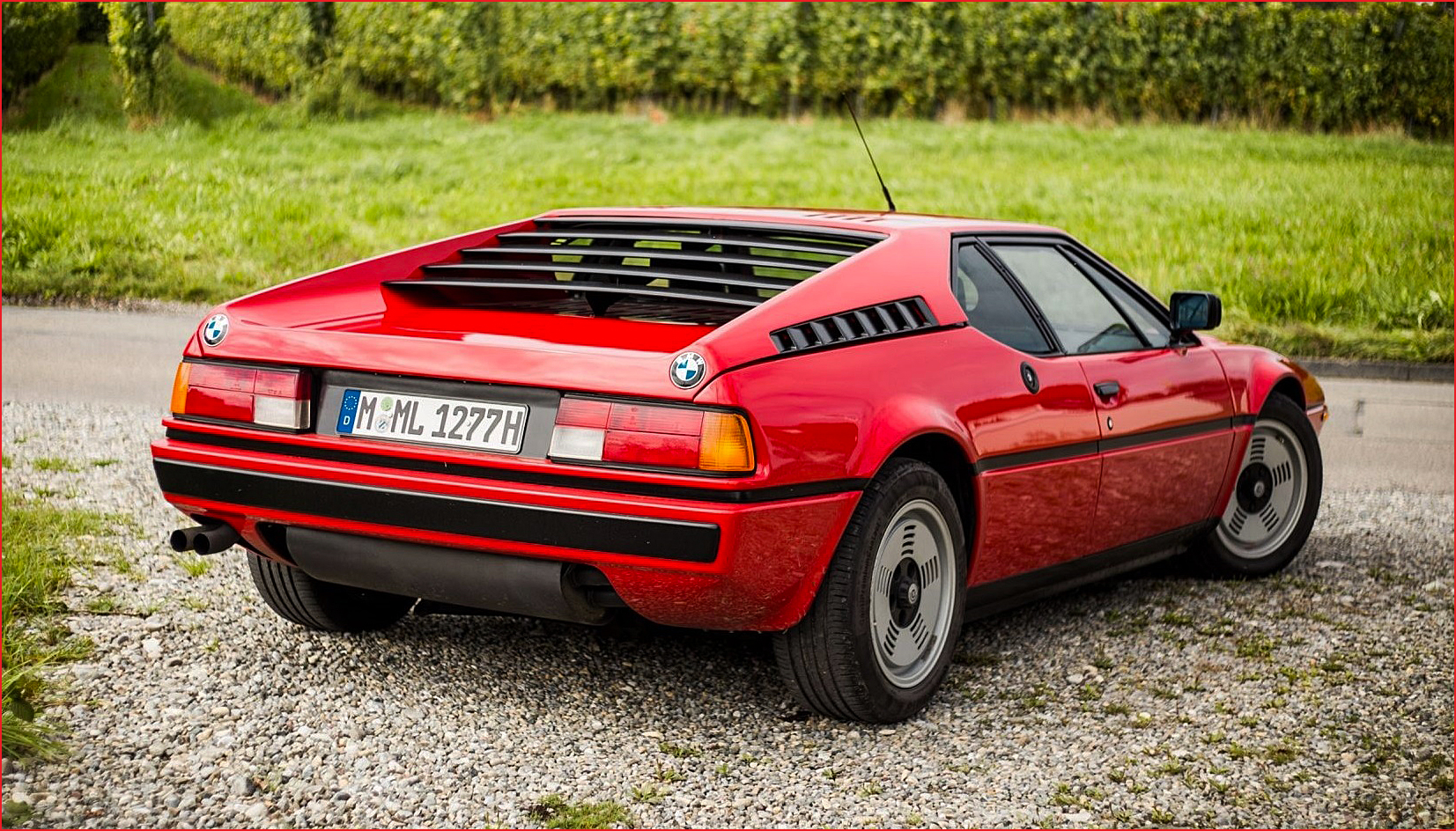
The less than 45 inch tall fiberglass body was manufactured by the Italian firm Italina Resina and would be completed by Italdesign at their Turin facility along with the interior, then shipped to German specialist manufacturer Baur where the cars hand-built final assembly took place, the firm having received the also hand-built BMW M88 engines. This was no sloppy kit-car fiberglass body, but rather one built with exceptional Italian craftsmanship and executed to a very high standard; the fit and finish of the body panels was nearly flawless. The cars were then shipped to BMW Motorsport in Munich for final inspection and delivery. The wedge-shaped design, hide-away headlights and rear-window louvers practically screamed 1970s, but the shape is pleasing even today.
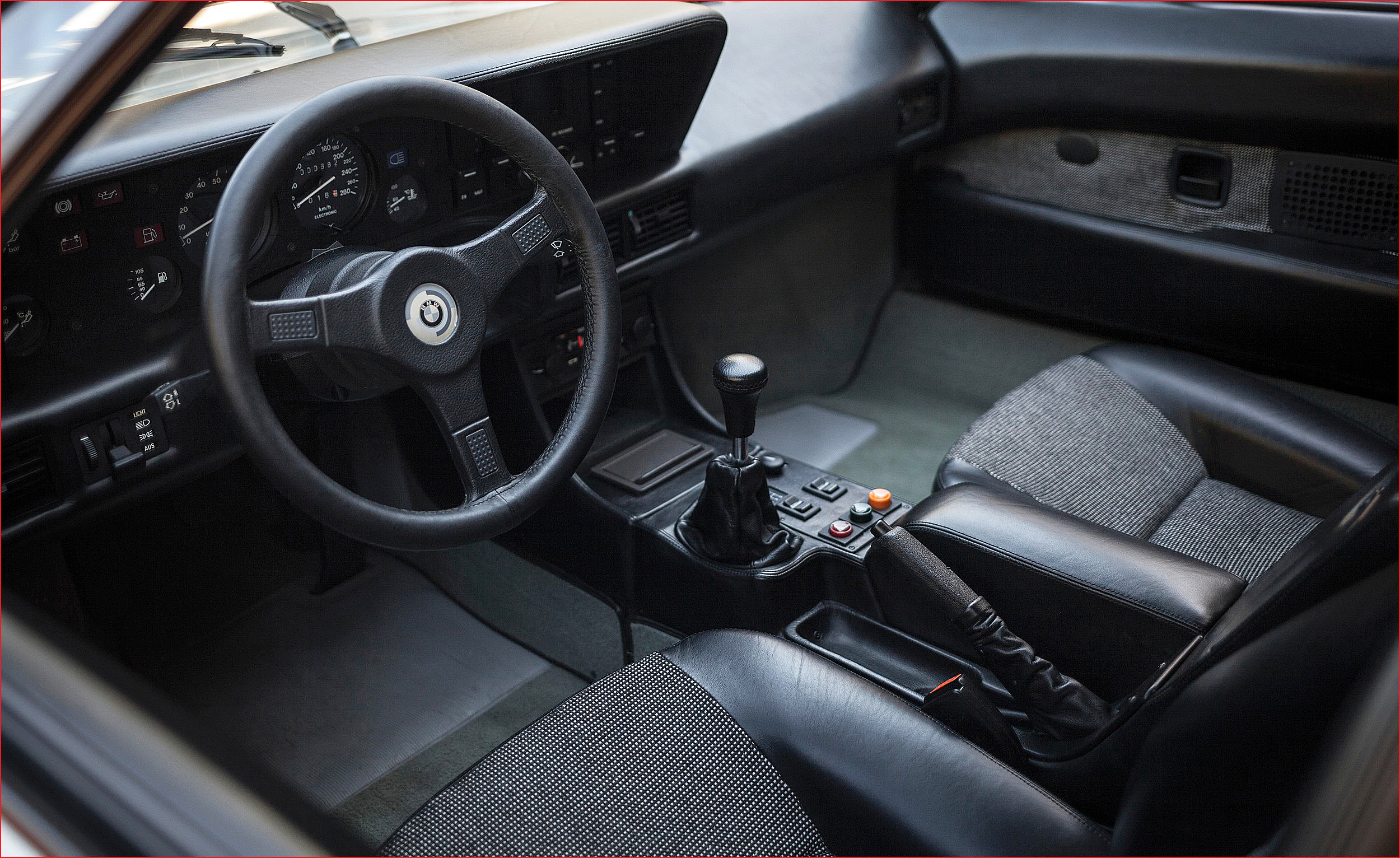
The M1 had half hand-stitched leather, half-cloth non-adjustable seats and a very basic interior other than the leather-wrapped instrument cluster, center console and door pockets. It had parts sourced from other BMW models, but did include air conditioning, a stereo system and power windows. Controls were designed for easy operation rather than to look nice. The thick-rimmed steering wheel was designed for enthusiast driving, with two horn buttons on the spokes that were easily reachable by your thumbs without letting go of the wheel rather than the traditional center-mounted horn button. It was a rather simplistic, minimalist interior compared to its supercar contemporaries from the likes of Ferrari, Lamborghini, Maserati, Lotus and Aston-Martin.
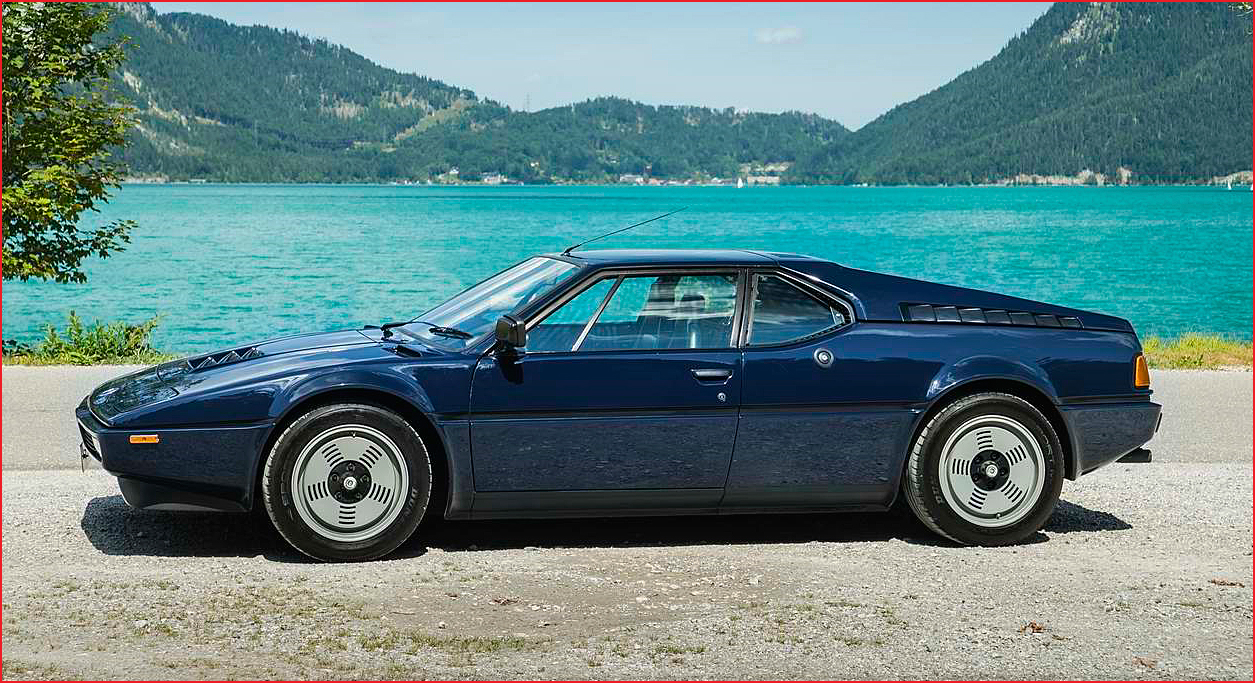
In 2004, Sports Car International magazine placed the car at number 10 of their top sports cars of the 1970s. 430 cars were produced, with all but 30 being road cars…it is one of the rarest BMW models. The few that are here in the United States were imported individually in the somewhat sketchy 1980s gray-market, the M1 was never intended to be exported out of Europe and as such was not subject to the stifling and power-robbing US emissions regulations of the 1970s and early 1980s.
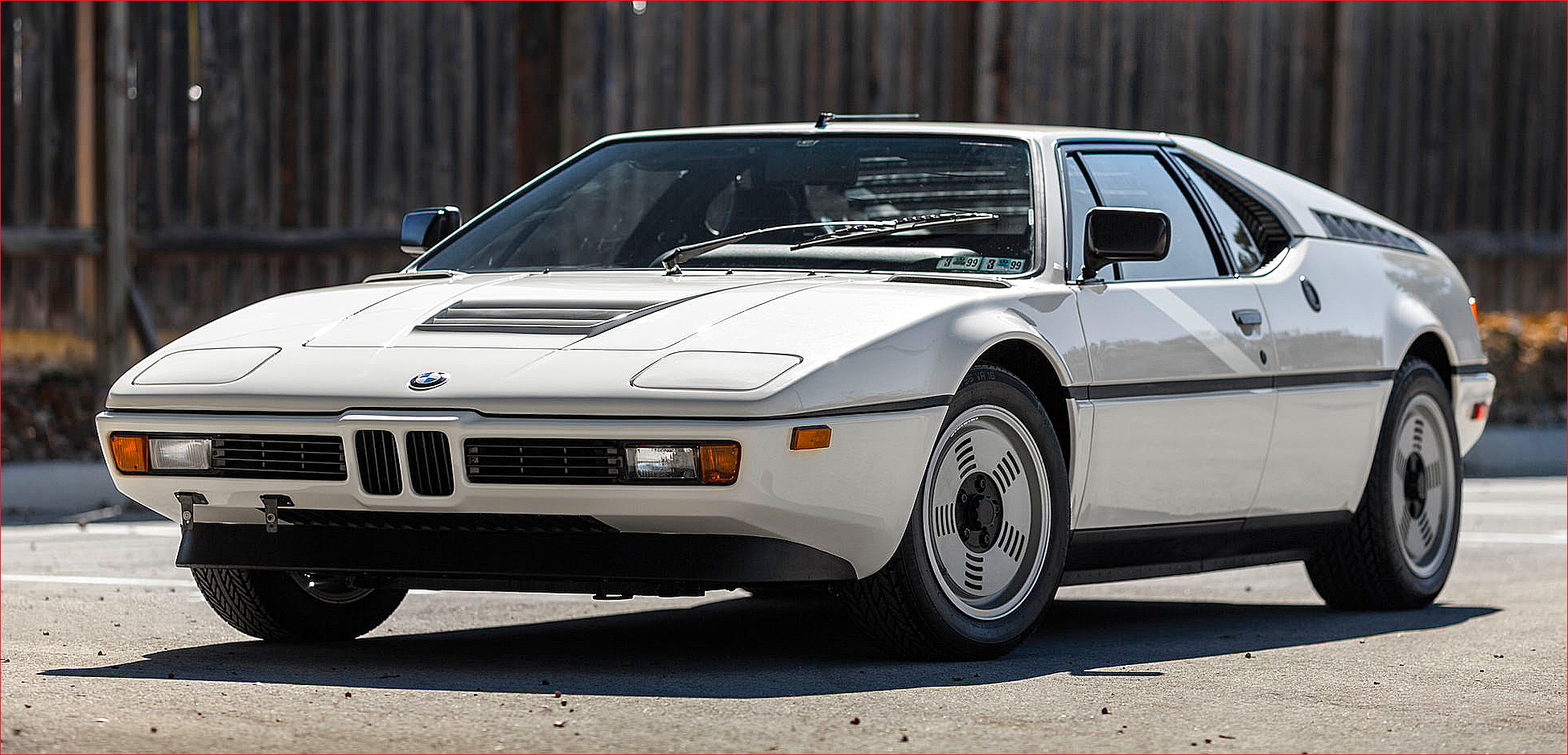
The series of unfortunate events surrounding its manufacture and subsequent racing career meant that the car that was to write BMW‘s racing future was but a small part of the manufacturer’s history, however it did help spawn the Motorsport division and the M3, M5, and M6 road coupes and sedans that are favorites among enthusiast drivers for their legendary power and handling. Production ceased in December of 1980 as BMW saw little reason to continue production in what it saw as a declining market for exotic cars. It is remembered fondly by enthusiasts and is sought by collectors worldwide for its Giugiaro-designed body and rarity.
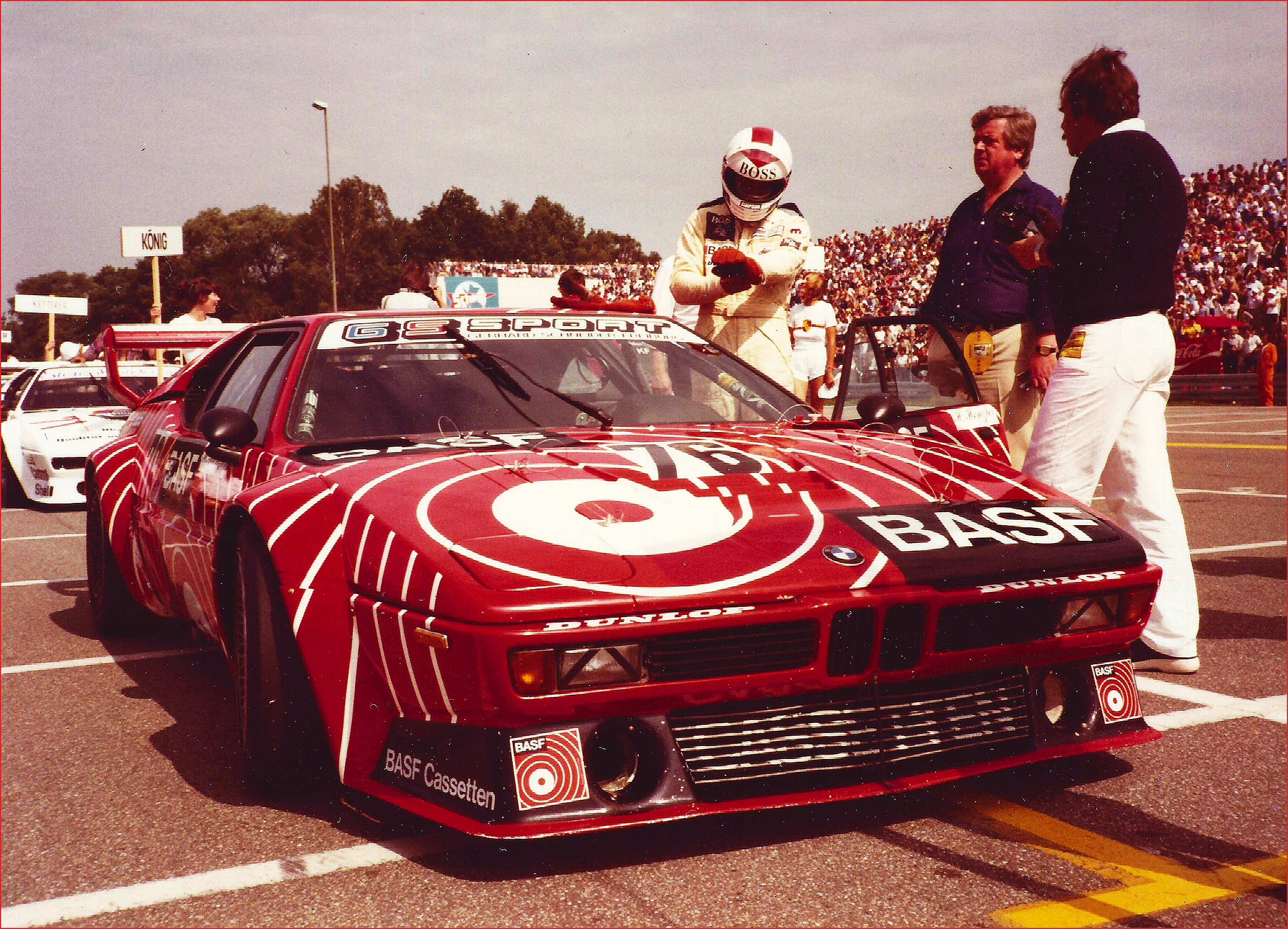
I have actually seen a couple of M1s up close and personal. I even sat behind the wheel of one, the local BMW dealer in the little town in West Germany where I lived for a time had one in their showroom as a draw. I can attest that headroom is tight for a six-footer. The other was a ProCar racing version that I saw in the pits at the famed Hockenheimring racetrack in BASF livery, captured in the photo below taken by my late brother.
Got a Great Car Story? Share it! Reminisce About Your Other Favorite Cars, Too!
Seeyas Again Next Time On FLAT OUT!
It’s President Jeff D. Boofer


